When Great TV Shows Falter: 10 Seasons Fans Want Remade
Television has given us unforgettable stories and iconic characters, but even celebrated series sometimes miss the mark. Whether it’s changes in the creative team, cast departures, or rushed production schedules, some seasons of otherwise excellent shows left audiences frustrated and desperate for a do-over. Here, we revisit ten TV seasons that stand out for all the wrong reasons—and explore why, in the era of revivals and reboots, fans and critics still think these entries deserve another chance.
Scrubs: Season 9
After eight solid seasons blending comedy and heartfelt drama, Scrubs attempted a soft reboot. Rebranded as ‘Scrubs: Med School,’ the show moved its setting and followed new students while only retaining a handful of the original cast, including Turk and Dr. Cox. The chemistry and quick-witted banter that made the original ensemble so beloved were missing, and new characters struggled to win over fans. For many, season 9 felt like a forced spinoff rather than a true continuation, and its abrupt tonal shift left longtime viewers longing for the show’s earlier days.
The X-Files: Season 8
Science fiction fans remember The X-Files as a trailblazer in paranormal storytelling, but when David Duchovny (Fox Mulder) exited after season 7, the dynamic that defined the show changed dramatically. Gillian Anderson remained as Dana Scully, while Robert Patrick joined as John Doggett. While Patrick delivered a strong performance, the Mulder-Scully chemistry, synonymous with the series, was noticeably absent. Despite high production values, season 8 struggled to recapture the magic of past seasons.
Community: Season 4
For its first three seasons, Community stood out thanks to its clever meta-humor and showrunner Dan Harmon’s singular vision. But Harmon’s temporary departure ahead of season 4 resulted in a noticeable dip in quality. New showrunners David Guarascio and Moses Port couldn’t match the wit or character insights that long-time fans had come to expect. The show itself later dubbed this era the ‘gas leak year,’ underscoring just how much the sitcom lost its spark during this time.
True Detective: Season 2
True Detective shattered expectations in its first season with a complex, time-bending narrative. Creator Nic Pizzolatto had years to refine that story, but season 2 was produced on a short timeline due to the show’s surprise success. The result: a complicated plot, underdeveloped protagonists, and a noir setting that felt more derivative than inspired. Despite the star power of Colin Farrell, Rachel McAdams, Vince Vaughn, and Taylor Kitsch, the story struggled to find coherence. Many viewers are still waiting for a second act worthy of the show’s powerful debut.
Arrested Development: Season 5
Earlier seasons of Arrested Development set the standard for smart, layered comedy. However, when revived for a fifth season on Netflix, the show attempted to resolve the narrative missteps of its fourth season by bringing the ensemble cast back together. Unfortunately, controversial twists—like reimagining Buster Bluth in a far darker light—felt inconsistent with the tone that had originally endeared the show to fans. The sprawling, unresolved plot left viewers nostalgic for the brilliance of the original run.
The Umbrella Academy: Season 4
Through its early seasons, The Umbrella Academy explored the lasting trauma of dysfunctional family dynamics and abusive parenting. The storytelling was bold, nuanced, and emotionally resonant. This made the final season’s decision to tie up Reginald Hargreeves’ story with an unexpectedly upbeat ending jarring for many, effectively undercutting the message of resilience and reconciliation that defined previous arcs. For dedicated viewers, a richer and more faithful conclusion felt warranted.
Parks and Recreation: Season 1
It’s hard to believe that Parks and Recreation—now celebrated for its optimism and infectious energy—almost stumbled out of the gate. The original episodes, with a more abrasive take on Leslie Knope and a cynical tone reminiscent of The Office, were an imperfect prototype for what would become a warm and sharply funny series. The show’s identity shifted decisively in later years as supporting characters Ben Wyatt and Chris Traeger joined the cast, helping to shape the uplifting narrative fans cherish today.
The Walking Dead: Season 7
The Walking Dead earned a loyal following with its gritty depiction of post-apocalyptic survival, but the arrival of Negan in season 7 marked a tonal shift toward relentless bleakness. The graphic violence and psychological torment in the premiere drove many longtime viewers away. Split-up storylines and a fragmented narrative sapped the show’s momentum, making it a chore to follow week after week. With horror drama evolving elsewhere, fans continue to hope for a season that reclaims the show’s former suspense and emotional stakes.
How I Met Your Mother: Season 9
The whimsical, sprawling narrative of How I Met Your Mother captivated viewers for years, only for its final season to confound nearly everyone. Spanning 24 episodes over just a single wedding weekend, the pacing dragged, resorting to filler and undermining years of character development. The reversal of key relationships in the finale remains controversial—a dramatic misstep that overshadows the show’s earlier charms.
Game of Thrones: Season 8
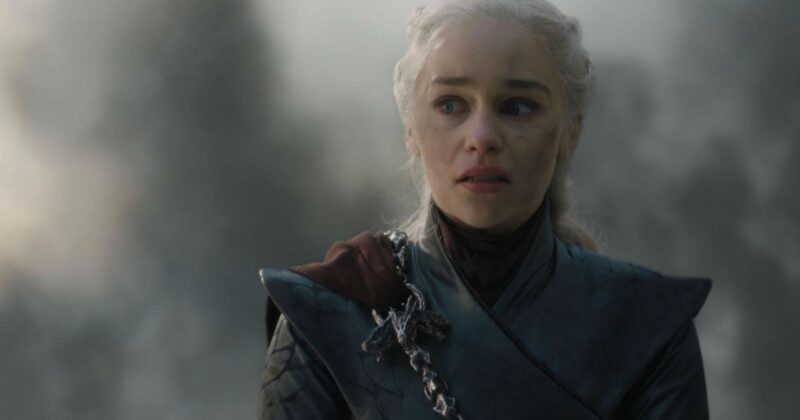
No series finale has generated as much debate as Game of Thrones‘s explosive conclusion. Once heralded as cultural phenomenon, the show’s final episodes abandoned slow-burn intrigue for breathtaking plot swerves. Daenerys’s rapid descent into villainy, Bran’s surprise coronation, and truncated battles left fans and critics with whiplash. As the demand for meaningful character arcs and satisfying resolution grows in prestige television, the clamor for a genuine remake of this divisive season continues to echo across fandom spaces.