Hyped Anime That Fell Short of Expectations
The anime landscape has evolved into a global juggernaut, with new releases frequently generating enormous anticipation. When beloved manga, revered creators, or powerhouse studios are attached to a project, expectations skyrocket. Sometimes, however, what looks like a surefire blockbuster on paper stumbles on delivery, leaving even the most loyal fans disappointed. Here’s an in-depth look at some anime series that seemed destined for greatness — but ultimately missed the mark.
Uzumaki
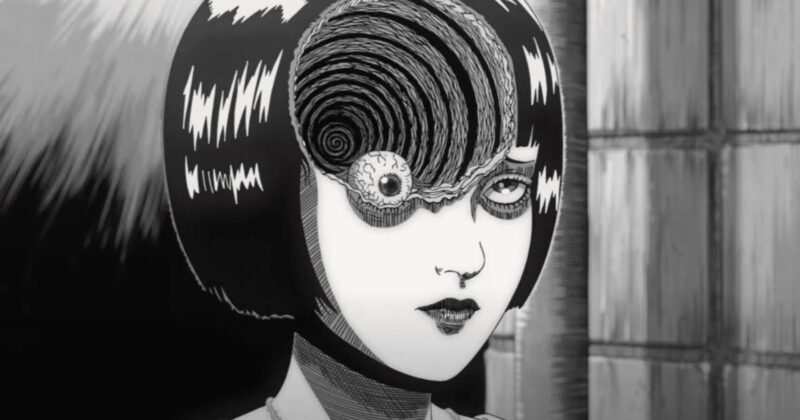
Junji Ito’s legacy in horror manga is unmatched, so an anime adaptation of his iconic work, Uzumaki, promised pure nightmare fuel. The production, handled by Fugaku and Akatsuki, started strong, drawing horror aficionados with a faithful visual approach. Yet, production challenges crippled the show’s consistency. Viewers noticed increasingly erratic animation and pacing issues after the initial episode, making the adaptation a shadow of Ito’s unsettling genius.
One-Punch Man (Later Seasons)
The first season of One-Punch Man became a modern anime classic, perfectly blending satire and jaw-dropping action. The transition from Madhouse to J.C.Staff in subsequent seasons marked a notorious dip in animation quality and narrative pacing. Fans who adored the razor-sharp wit and fluid fights of the original grew disillusioned as the third season garnered sharp criticism and lackluster reception, dramatically cooling the excitement for ongoing episodes.
Lazarus
With MAPPA as the studio and Shinichiro Watanabe — the mastermind behind Cowboy Bebop — at the creative helm, Lazarus debuted with immense promise. Yet, rather than captivating audiences with genre-defining storytelling, the series faded quietly after launch. While not a total failure, its inability to leave a lasting impression is a testament to the soaring expectations fans have for creators known for redefining anime genres.
FLCL Sequels
FLCL — originally a limited OVA — holds cult status for its frenetic animation and coming-of-age themes. Years later, sequels like FLCL: Progressive, FLCL: Alternative, and most recently, FLCL: Grunge and FLCL: Shoegaze, tried to recapture that lightning. While the original thrived on chaos and heart, the sequels’ divisive tone and inconsistent storytelling struggled to resonate, reminding fans that not every classic gains from a reboot.
Platinum End
From Tsugumi Ohba and Takeshi Obata — the celebrated duo behind Death Note — Platinum End carried monumental expectations. Despite a tantalizing premise and edgy visuals, the series faltered with an unlikable protagonist and narrative choices that failed to connect. The ending left many viewers frustrated, illustrating how star talent alone can’t guarantee a hit.
The Promised Neverland
Few anime have boasted a stronger debut season than The Promised Neverland. Its psychological intensity and gripping mystery had worldwide fans buzzing for more. However, the rushed, dramatically condensed second season omitted entire story arcs, making the plot disjointed. Viewers missed the layered suspense of the original, and the tale of Emma and company lost much of its tension in the process.
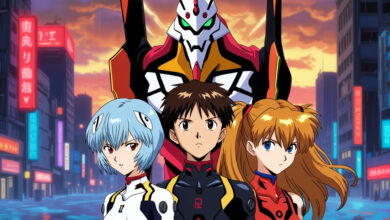
Darling in the Franxx
With a striking blend of mecha action, romantic drama, and stylish animation by A-1 Pictures and Trigger, Darling in the Franxx seemed poised to revive the mecha craze. Instead, a sharply divisive finale left even diehard supporters divided. The momentum built early in the series slowly unraveled, blunting what could have been a genre-redefining adventure.
Katanagatari
Katanagatari stood out with its unique art style, literary-inspired dialogue, and rich historical setting, produced by the same studio that would later bring fans Steins;Gate. Despite critical quality and built-in fanbase from the novels, Katanagatari never sparked the passionate following it deserved, arguably lost amid an increasingly crowded release calendar.
Vampire Knight
For fans drawn to gothic romance, Vampire Knight was an eagerly awaited adaptation of the popular manga by Matsuri Hino. Studio Deen delivered an atmospheric first run, but the series ended abruptly without resolution. The lack of closure, and no follow-up project, soured the experience for viewers who invested in its intricate love triangles and supernatural lore.
A common thread connects these series: lofty expectations collide with the harsh realities of production, adaptation, and evolving fandom tastes. While some did succeed in aspects such as animation or concept, their shortcomings became all the more visible under the spotlight — a fascinating insight for anyone tracking the unpredictable world of anime.