When TV Favorites Lose Their Shine: 10 Characters Who Broke Our Hearts
In the ever-evolving world of television, it’s common to fall for a character and follow their journey with unwavering support—until something changes. Sometimes, main characters take turns in personality or storyline that quietly erode viewer loyalty. Whether it’s questionable writing decisions, missed opportunities for character growth, or traits that don’t stand the test of time, it’s fascinating to see how quickly a beloved figure can fall from grace as TV culture shifts.
Fez – That ’70s Show
Fez, played by Wilmer Valderrama, first charmed viewers as the lovable, eccentric exchange student in That ’70s Show. His thick accent and playful misunderstandings made him a comedic highlight. As the show aged, though, Fez’s character development stalled. Instead of maturing with his friends, his one-dimensional, stereotype-driven portrayal became increasingly uncomfortable and even labeled as «creepy.» The lack of growth, combined with a forced romance with Jackie, led audiences to cringe rather than laugh.
Debbie Gallagher – Shameless (US)
Debbie Gallagher emerged as the nurturing heart of the Gallagher family in Shameless. Her attempts to hold things together despite her father’s neglect earned her early sympathy. Over time, trauma and poor decisions spiraled into manipulative, selfish behavior—alienating even the most understanding fans. Debbie’s arc is a harsh reminder of how unresolved trauma and lack of support can sour even the kindest souls—her actions, including deliberately sabotaging her own relationships and neglecting her daughter, are now regarded as some of the show’s darkest moments.
Rory Gilmore – Gilmore Girls
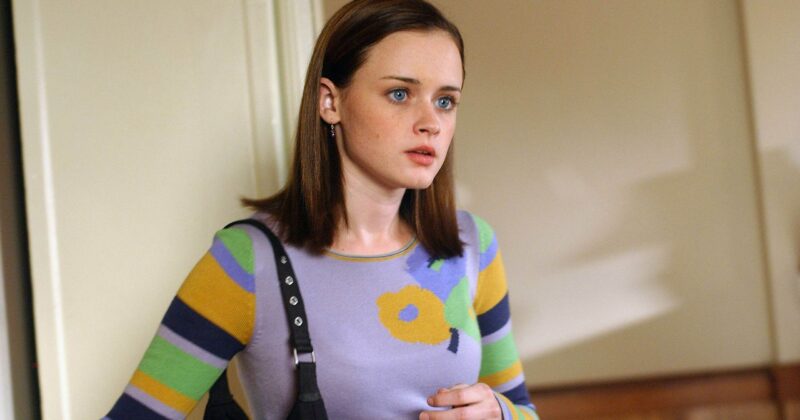
Rory Gilmore once represented the hope, ambition, and idealism that young adults aspired to emulate. Centerstage alongside her mother Lorelai in Gilmore Girls, Rory’s wholesome beginnings slowly eroded as her story progressed. Modern rewatchers call out her entitlement and lack of accountability, notably her affair with a married man and her obliviousness to her own privilege. The recent revival proved that age doesn’t always bring wisdom, leaving many nostalgic fans frustrated by her refusal to grow.
Carrie Bradshaw – Sex and the City
Carrie Bradshaw transformed from an everywoman protagonist to the poster child for self-absorption in Sex and the City. While once celebrated for her candid writing and relatable love woes, Carrie now draws criticism for her toxic friendship dynamics and stubborn judgmental streak. Her constant return to unhealthy relationships—namely, Mr. Big—feels more exasperating than empowering, a stark contrast to the empowering icon she was in her early episodes.
Dan Humphrey – Gossip Girl
Dan Humphrey began as the brooding outsider in Gossip Girl, winning viewers with his outsider’s perspective on Manhattan’s elite. But as secrets surfaced, Dan morphed into one of the series’ most polarizing figures. The reveal that he orchestrated much of the chaos as the anonymous gossip blogger eroded any remaining goodwill—he not only betrayed his friends but did so without remorse, spiraling from underdog to villain in the eyes of loyal fans.
Andy Bernard – The Office
Joining The Office as the fiery but ultimately endearing Andy Bernard, Ed Helms’ character initially added comic energy to the beloved ensemble. However, inconsistent writing sent Andy spiraling after his relationship with Erin, highlighting traits of selfishness, insecurity, and even cruelty. Instead of maturing, Andy regressed, leaving fans wishing he’d never moved past his early comic relief role.
Jerry Seinfeld – Seinfeld
The quintessential sitcom straight man, Jerry Seinfeld anchored the manic world of Seinfeld as a voice of reason. Yet, on revisiting the show, audiences now find Jerry’s selfishness and lack of empathy harder to overlook. While once he seemed «safe» among his chaotic friends, modern viewers see the cracks—revealing that being the least outrageous in a group of misfits doesn’t always add up to likable.
Barney Stinson – How I Met Your Mother
Barney Stinson’s magnetic charisma and outrageous antics made him the comedic engine of How I Met Your Mother. But over time, his manipulative and misogynistic behavior—often played for laughs—became increasingly out-of-step with evolving audience expectations. Fans now cite his lack of meaningful growth and his crossing of ethical lines as reasons why Barney’s legacy is mixed at best, despite Neil Patrick Harris’s undeniable charm.
Daenerys Targaryen – Game of Thrones
Often heralded as the Queen for a new era, Daenerys Targaryen inspired millions as the supposed breaker of chains in Game of Thrones. Yet, as the series neared its end, abrupt and unearned character turns left viewers stunned. The Mother of Dragons’ descent from liberator to destroyer remains perhaps TV’s most notorious case of mishandled character evolution—forever altering her place in the pop culture pantheon.
When Storytelling Fails, Fans Notice
These reversals are a testament to how vital thoughtful character growth is in episodic storytelling. Audiences are quick to embrace the flawed and even the outrageous—as long as their journeys make sense and reflect meaningful change. When writers lose touch with that, even the most iconic characters can end up on the wrong side of TV history.