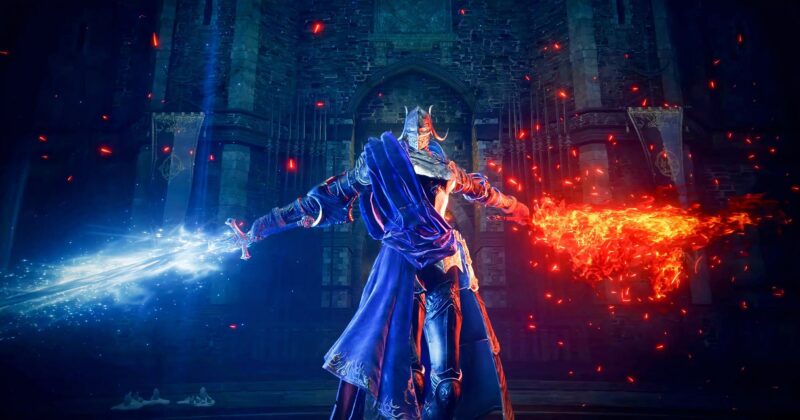
10 Incredible Elden Ring Quests That Were Cut From the Final Game

The Hidden Depths of Elden Ring: Quests That Never Made It
Elden Ring’s world, The Lands Between, feels infinite, packed with cryptic NPCs, interwoven stories, and labyrinthine lore. Yet the game’s released version is just the tip of the iceberg. Through data mining and mods, dedicated fans have uncovered a web of cut quests and lost narrative arcs that hint at an even more detailed and interconnected world. Let’s journey through some of the most compelling questlines that, had they remained, would have reshaped the experience for every Tarnished explorer.
Guilbert & The Redeemers: The Faction That Could Have Been
One tantalizing discovery points to Guilbert and a faction labeled ‘The Redeemers’. While these figures never made it to the final release, traces left in the game’s code suggest an entirely new group, potentially with a structure akin to the Recusants or Bloody Fingers. Interestingly, this hints at a version of Elden Ring far more faction-focused than the character-driven epic it became. Modders have pieced together that Guilbert’s story might have entwined heavily with Bloody Finger Hunter Yura, possibly merging during late development. The concept of unique faction paths only deepens the sheer scope of possibilities that FromSoftware considered during production.
Merchant Kale’s Lost Caravan and the Burial Crows
Merchant Kale, usually a fleeting encounter for most players, almost became a central figure in an emotionally charged storyline. The scrapped ‘Great Caravan’ quest would have plunged players into the massacre and persecution of the Nomadic Merchants, uncovering their tragic fate beneath Leyndell. Players were meant to chase Burial Crows, mysterious enemies holding letters and clues tied to Kale’s people’s destruction. Unique gameplay mechanics popped up here—tracking crows, decoding notes, and unearthing secrets. With the help of the modding community, it’s even possible to play through a restoration of this lost quest, experiencing a darker facet of the Frenzied Flame narrative and reframing Kale as a key figure rather than a forgettable merchant.
White Mask Varre & the Maidenless Path
White Mask Varre stands out as one of the game’s first NPCs, infamous for calling players ‘maidenless’. What most don’t realize is that Varre was designed to offer players an alternate route: a way to truly reject the Erdtree’s path and bypass acquiring a maiden at all. Early data points to Varre guiding Tarnished down the route of the Bloody Fingers, even providing progression paths and alternate questlines that would have competed with the guidance offered by Melina or the Two Fingers. It’s one of the boldest cut ideas—offering a genuine roleplay option for those wanting to fully embrace the darker, outcast path from the start.
Asimi, King of the Eternal Cities
The mystique surrounding Nokron and Nokstella—the Eternal Cities—is made even richer by cut references to Asimi, an ‘Eternal King’ among the Silver Tears. The traces are vague, but the suggested questline would have plunged deeper into mimic lore and the creation of a true lord by the Silver Tears. Asimi might have acted as a failed hero or their crowning achievement, providing additional narrative layers and context to the eerie, crystalline metropolises. With so many mysteries still unsolved, the omission of Asimi only amplifies the enigmatic legacy of the eternal cities for lore hunters and theory crafters.
Knight Bernahl’s Finger Maiden: An Alternate Accord
Knight Bernahl’s story is already robust, but it was originally meant to include yet another pivotal NPC—a Finger Maiden found at the Smoldering Church in Caelid. Dialogue suggests she could be set ablaze to progress her arc, appearing throughout the player’s journey and perhaps even providing an alternative to Melina’s Accord. Such changes could have unlocked new routes for endings and replay value while shedding more light on the institution of the Finger Maidens—a key thread in Elden Ring’s complex world-building.
St. Trina & The Red-Eyed Merchants: The Dream Mist System
Beneath the surface of the already tragic Nomadic Merchant arc sits another fascinating omission: a quest surrounding the mysterious St. Trina and their connection to the Cursed Flame. In the cut content, players would track Red-Eyed Merchants, learn a legendary song to tame the flames, and unlock St. Trina’s Crystal Ball—ushering in an entirely unused gameplay mechanic: Dream Mist collecting. By sneaking and putting creatures to sleep, players could farm Dream Mist, then use it to unlock unique bonuses or add to a special bestiary. This system would’ve added a strategic layer and created new ways to approach the game’s challenging encounters, not to mention deepening the connection to St. Trina’s ambiguous lore.
The Legend of the Glowing Big Heads
An outlandish but unforgettable visual: the glowing head statues. First seen in promotional teasers, these monumental heads never saw proper use. While not tied to a full-fledged questline, their removal is a testament to how dynamic and evolving Elden Ring’s development was. The tantalizing glimpses seen in early footage left fans speculating for years, hungry for the secrets those heads might have concealed.
Each of these cut questlines hints at the sprawling, interconnected canvas that could have been, challenging even veteran Soulsborne lore scholars to imagine the cascading effects these stories might have had on worldbuilding, progression, and outcome. Thanks to relentless fans and modders, some of these legendary tales have seen new light, inspiring ongoing debate and creative restoration projects across the Elden Ring community. For explorers of the Lands Between, the boundaries are as limitless as the secrets waiting to be uncovered.