10 Outstanding Fantasy Series You Probably Forgot (But Seriously Shouldn’t)

Rediscovering Television’s Overlooked Fantasy Gems
The fantasy genre has always flourished on television, gracing us with such influential series as Buffy the Vampire Slayer and Xena: Warrior Princess. While these shows have achieved immortality in pop culture, many equally brilliant fantasy series have slipped through the collective memory. These near-perfect gems delivered creativity and heart, but for a variety of reasons—from unfortunate scheduling to stiff competition—never quite achieved the recognition they deserved.
Atlantis: A Modern Dive into Greek Mythology
Atlantis painted a modern adventure fueled by Greek legends, transporting protagonist Jason into an ancient world of royal drama and dangerous prophecies. King Minos and Queen Pasiphae ruled over a mysterious kingdom where everything felt both familiar and daringly new. The series balanced a lighter tone than most fantasy epics of its era, blending nostalgic charm with fresh storytelling. Yet, its run was ultimately cut short, overshadowed by a surge of high-budget fantasy fare that dominated viewership.
Haven: Stephen King’s Supernatural Small-Town Secret
Based loosely on Stephen King’s «The Colorado Kid,» Haven masterfully intertwined crime, mystery, and the supernatural. Special Agent Audrey Parker lands in a sleepy Maine town only to face ‘The Troubles,’ a wave of bizarre afflictions plaguing the inhabitants. Easter eggs for King die-hards abound, but its loyal following never quite pushed it into the mainstream—largely due to broadcasting limitations and the sheer volume of genre competition at the time.
The Owl House: Trailblazer in Animation and Representation
The Owl House burst onto the animation scene with a vibrant tale of Luz Noceda, a teenage girl who stumbles into the Demon Realm and sets out to become a witch. Praised for its dynamic art, sharp writing, and especially for landmark LGBTQ representation (notably featuring Disney’s first same-sex couple leads), this series deserved far greater longevity. Limited seasons and muted marketing kept it from ascending to the spotlight once occupied by the likes of Gravity Falls.
Carnival Row: Steampunk, Intrigue, and Mythical Tension
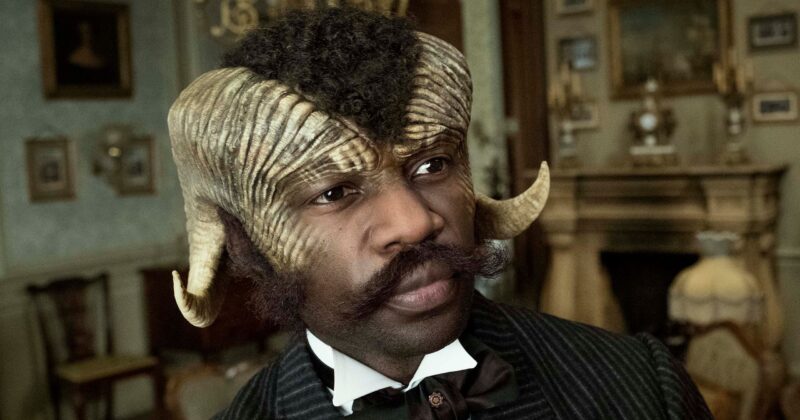
Carnival Row fused Victorian noir with steampunk sensibilities, immersing audiences in a world where magic-wielding refugees collide with human society. Rycroft Philostrate (Orlando Bloom) and faerie Vignette Stonemoss (Cara Delevingne) navigate a city teeming with tension and layered mysteries. With top-tier production values and timely social commentary, the slow release schedule and limited promotion kept it criminally under-watched despite its cinematic ambition.
Merlin: Magic in Camelot’s Shadows
Reimagining Arthurian legend for a new generation, Merlin charted the perilous early years of the legendary wizard as he battled prejudice and destiny at the side of Prince Arthur. The show’s patient world-building and unique take on classic stories won critical praise. Yet, its modest production budget and divisive finale left it underappreciated outside its dedicated fanbase.
Star vs. the Forces of Evil: Magical Mayhem with Heart
Star vs. the Forces of Evil enchanted viewers with the misadventures of Star Butterfly, a dimension-traveling princess wielding chaotic magic. As the first Disney XD show created by a woman, it captured complex familial and friendship bonds against a backdrop of whimsical battles and growing stakes. Its transition from episodic laughs to serialized storytelling helped it stand out, but stiff competition and shifting tonal focus meant it never dominated the ratings.
Wynonna Earp: Demon Showdowns in the Modern West
Combining comic book energy with Western mythology, Wynonna Earp stands as an idiosyncratic gem. The titular heroine inherits a cursed revolver and a supernatural legacy, hunting down resurrected outlaws in a genre mash-up that mixes action with sharp, feminist wit. Production constraints and complicated rights issues held back its widespread breakout, even though it remains a cult favorite for its fearless genre-bending and LGBTQ representation.
Pushing Daisies: Whimsical Mystery with a Touch of the Macabre
Bryan Fuller’s Pushing Daisies found a rare sweet spot between magical realism and procedural genius, following Ned, a pie-maker with the ability to resurrect the dead—once per customer. The show’s candy-colored world hid poignant questions about life, love, and loss, all delivered with wit and visual inventiveness. TV scheduling woes and shifting audience tastes marked its too-brief run, relegating it to the annals of «cancelled too soon» fantasy TV.
These series showcase fantasy television at its most innovative and heartfelt, proving there’s always a hidden treasure waiting for viewers willing to look beyond the mainstream radar.