The Harsh Reality of TV Reboots
Rebooting classic TV shows is a trend that continues to dominate the entertainment landscape, driven by a mix of nostalgia and risk aversion among networks. While some reboots like Battlestar Galactica have been celebrated for updating and honoring the source material, others simply miss the mark, leaving fans with a bitter taste and diminishing the impact of the originals.
The Odd Couple: Lost Chemistry
Few stories have seen as many retellings as The Odd Couple. The attempt to revive this beloved dynamic with Matthew Perry and Thomas Lennon introduced nothing fresh to the formula. Chemistry between the leads is the heart of any Odd Couple story, but the reboot couldn’t recapture what made Oscar and Felix iconic, leading to a sitcom that felt more like a shadow than a celebration.
The Muppets: Identity Crisis
It’s hard to argue against the enduring charm of The Muppets. Their 2015 television comeback, however, struggled with its own identity. Was it targeting adults, kids, or both? This lack of clarity led to awkward moments and characters that felt fundamentally changed. Purists especially took issue with tweaks to favorites like Gonzo and Kermit, highlighting the risks of reinventing icons without purpose.
Melrose Place: Reboot Without Heart
Reboots thrive when they capture the spirit of the original. Melrose Place tried to trade on ’90s nostalgia, but it lacked the messy excitement and passion that made the original unmissable. The new cast never gelled, proving that drama without authentic chaos is just noise.
Kojak: Grit Lost in Translation
The original Kojak is remembered for its gritty atmosphere and the magnetic presence of Telly Savalas. The reboot lost that charisma, opting for a modernized police procedural that felt interchangeable with any generic detective show. Attempts at updating the series only further clarified how much of its power had come from the original persona behind the badge.
Party of Five: A Well-Intentioned Miss
Shifting the core of Party of Five toward socially relevant themes around immigration was bold and, to critics, praiseworthy. Yet, the viewers’ hearts weren’t captured as the original was. Sometimes, audiences crave comfort and connection over reinvention, even if the new narrative has timely importance for 2026.
Bionic Woman: Technical Stumbles
Ahead of its time in the ’70s, Bionic Woman blended humor and futuristic concepts. Its reboot delivered a darker, grimmer world—and lost much of the fun in translation. Production woes, frequent changes behind-the-scenes, and an industry writers’ strike created instability that the series couldn’t overcome, resulting in curt storytelling and underdeveloped characters.
Knight Rider: The Car is Not Enough
Transforming cars, new tech, and the nostalgia of Knight Rider had strong reboot potential. Yet, without David Hasselhoff’s legendary self-deprecation and KITT’s original charm, the series veered off course. Gimmicks like changing the car model and overcomplicating KITT’s features couldn’t mask a lack of excitement and spirit, essential for any show built on such an unusual partnership.
Gossip Girl: The Missing Mystery
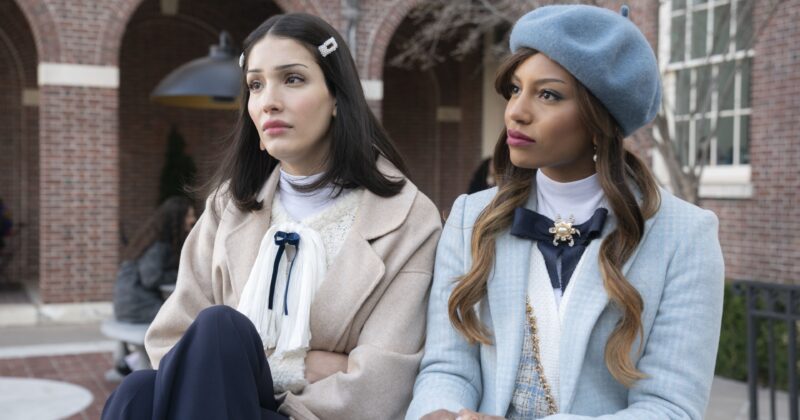
The mesmerizing core of the original Gossip Girl was the intrigue around the anonymous blogger. The reboot, eager to break new ground, revealed this central secret too quickly, and the show lost its narrative drive. Even with new faces, the spark and tension provided by the original’s elite drama faded fast, highlighting how vital compelling mysteries are to keep viewers invested.
Charmed: When Modernization Backfires
Reimagining Charmed for a contemporary audience promised fresh magical adventures and a new sisterly trio. Still, the reboot was beset by criticism, both from original fans and its first cast. While it did attempt to preserve the family bond that defined the original, character chemistry wasn’t strong enough to rekindle the old magic, resulting in a supernatural drama that couldn’t quite enchant either old or new fans.
The Challenge of Reboots in the Streaming Era
With streaming platforms and networks doubling down on familiar franchises, the lesson is clear: reviving a classic TV show must be more than an exercise in brand recognition. Audiences expect new perspectives, clever twists, and respect for what made the originals so powerful. As nostalgia meets modern sensibility, striking the right balance is more crucial—and challenging—than ever.