How TV Series Transform Beyond Recognition
It’s no secret that television, for all its longevity, can morph into something far from its original essence. While some shows thrive on reinvention, others lose the very identity that drew in audiences, becoming virtually unrecognizable by their concluding chapters. Here’s a deeper look at 10 series that underwent such drastic change, exploring what went right, what went haywire, and why transformation can be such a double-edged sword in serialized storytelling.
Crazy Ex-Girlfriend: From Musical Rom-Com to Raw Drama
Crazy Ex-Girlfriend broke ground as a subversive, hour-long musical comedy that initially disguised dark themes behind quirky romance and memorable songs. The first seasons leaned heavily into Rebecca Bunch’s idiosyncratic pursuit of love, delivering humor and catchy numbers that made it a CW standout. However, as the show matured, the narrative focus shifted towards Rebecca’s mental health, with sharp tonal pivots. What began as offbeat comedy evolved into a raw exploration of psychological struggles, complete with suicide attempts and therapy arcs, making the show nearly unrecognizable by its introspective final season.
Game of Thrones: Slow-Burn Intrigue to Compressed Spectacle
Game of Thrones began as an intricate chessboard of politics and relationships, rewarding patient viewers with gradual, textured character arcs based on George R. R. Martin’s novels. In later seasons, especially the much-debated final one, that meticulous approach gave way to accelerated storytelling. Major plot developments arrived without the detailed groundwork that characterized earlier years, diminishing the emotional impact even as the fantasy world remained visually impressive. The result was a series that, while visually consistent, abandoned its original storytelling DNA.
The Office: Changing Dynamics After a Core Exit
The Office initially played close to the British mold, but quickly found its comedic soul in Steve Carell’s Michael Scott. As the series evolved, it became less about ensemble awkwardness and more about Michael’s heartfelt, cringe-worthy management style. His departure dramatically shifted the show’s chemistry, with attempts to rekindle the ensemble dynamic feeling forced. The post-Michael seasons moved the show into new territory, one where the documentary-style workplace comedy felt less like its beloved early self.
Glee: From Satirical Heart to Self-Parody
Glee‘s pilot delivered a blend of biting satire, sincere emotion, and purposeful musical numbers. It felt intimate, relatable, and authentic to the underdog experience. As the seasons wore on, the musical set pieces became bigger, plots more outrageous, and the show split its focus between two coasts. By the culmination, Glee was mostly a surreal, meta-commentary on its former glory, with wild plot swings and the glee club itself rebooted beyond recognition. Fans who started with underdog dreams were left in a hyperbolic, almost cartoonish universe by the end.
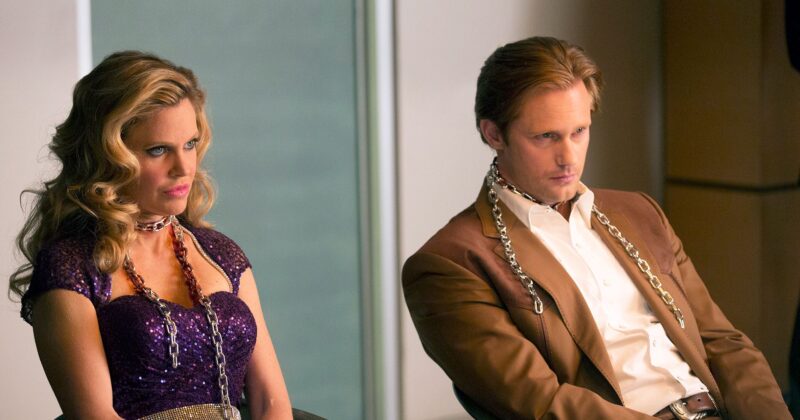
True Blood: Focused Southern Gothic to Supernatural Overload
True Blood stood out for its Southern Gothic charm, weaving vampire romance into intrigue, allegory, and suspense. In time, expansion brought in a deluge of new supernatural entities—werewolves, faeries, witches—and sprawling, convoluted conspiracies. The later seasons felt chaotic, sometimes sacrificing the original character-driven tension for bombast and spectacle. The transformation from tight, atmospheric horror to over-the-top fantasy soap illustrates just how far a tonal palette can shift over a show’s lifespan.
Once Upon a Time: Fairy Tale Grounding to Confused Multiverse
Once Upon a Time succeeded early with its clever integration of beloved fairy tales into modern, heartfelt storytelling. But as the series grew, it became a victim of its own sprawling mythology. Reboots, frequent memory wipes, and trendy arcs—like the prominent «Frozen» storyline—diluted the core appeal. The final season leveled up by recasting central characters and relocating the main action to modern Seattle, removing nearly all original emotional stakes and world continuity. What was once a magical, grounded fantasy fractured into a structurally and emotionally disjointed adventure.
Weeds: Suburban Satire to Crime Odyssey
Weeds launched as a razor-sharp comedic examination of suburban hypocrisy, anchored by Mary-Louise Parker’s portrayal of Nancy Botwin. Early years offered dark humor about drug dealing in the suburbs. As the seasons stacked up, the show exploded in scope: Nancy’s schemes crossed borders, and the Botwin family’s journey steered ever further into crime drama territory. By its last season, Weeds had become more of an oddball criminal escapade than a send-up of suburbia—tracing an arc from sharp social satire to a lighter, often absurd cousin of prestige crime drama.
The Challenges of Reinvention in TV
These series show just how tenuous the balance can be between evolution and alienation. While some viewers admire bold pivots, many long for the original spark that made a show special. Whether attempting to stay relevant, explore deeper themes, or simply keep pace with ambitious storytelling ambitions, television series walk a knife’s edge between growth and the risk of losing themselves entirely.