When TV Series Make Us Root for the Wrong Crowd
One of television’s most striking talents is pulling viewers into the world of characters who, by all accounts, should be utterly despicable. While shows about upbeat, likable people like Ted Lasso or Bob’s Burgers fill their own niche, there’s a fascinating subgenre that specializes in making the audience empathize with characters who, if encountered in real life, would be impossible to tolerate.
The Shield – The Blueprint for Flawed Heroes
Shawn Ryan’s The Shield remains a landmark in the crime drama genre for its commitment to the morally gray. Vic Mackey, masterfully played by Michael Chiklis, is a police detective venturing far from the straight and narrow; he’s manipulative, violent, even murderous. Yet the series peels back layers, letting us glimpse his loyalty to his family and his underlying personal codes. That paradoxical combination played a key role in reshaping expectations for TV antiheroes.
BoJack Horseman – Animated Darkness With a Heart
Netflix took a risk with BoJack Horseman, setting its incisive social commentary in an animated world of anthropomorphic animals. What starts as a Hollywood parody morphs into a profound exploration of depression, addiction, and the struggle for redemption. BoJack, voiced by Will Arnett, is self-centered and destructive, but the writing never shies away from his pain, making it easy to root for his painstaking journey toward self-awareness.
Barry – A Hitman Haunted by Humanity
Bill Hader’s Barry subverts the hitman trope with unexpected depth. Barry Berkman longs for meaning in his life beyond violence, creating a compelling tug-of-war between his brutal past and fragile hopes for an ordinary future. Every figure orbiting Barry brings their own blend of darkness and relatability, giving the series persistent moral complexity.
Breaking Bad – Transformation at Any Cost
Few shows have charted a character’s dark spiral with the intensity of Breaking Bad. Vince Gilligan’s saga turns the mundane Walter White into a criminal mastermind. Viewers follow his descent, hooked by the show’s careful pacing and Bryan Cranston’s nuanced portrayal, even as Walt justifies increasingly unforgivable actions in the name of family or pride.
Veep – Political Satire and Spectacular Selfishness
Politics rarely showcase saints, and in Veep, the political arena is a playground for the deeply flawed. The brilliance of Armando Iannucci’s writing is that it never demands likability; instead, it skewers the political system brilliantly, showing how even well-meaning attempts are warped by egos, ambition, and bureaucratic absurdity. Julia Louis-Dreyfus’s Selina Meyer is as selfish as they come, but her sharp wit and relentless drive make her a joy to watch.
Mad Men – Glamour and Inner Brokenness
At Sterling Cooper, almost everyone is terrible in some way—serial adulterers, neglectful parents, unrepentant manipulators. Don Draper, both the most mysterious and most flawed, embodies the show’s thesis: complexity trumps traditional likability. Audiences were enthralled not because they wanted to emulate these characters, but because their contradictions felt like raw, unfiltered humanity beneath slick 1960s facades.
Succession – Billionaires With Broken Souls
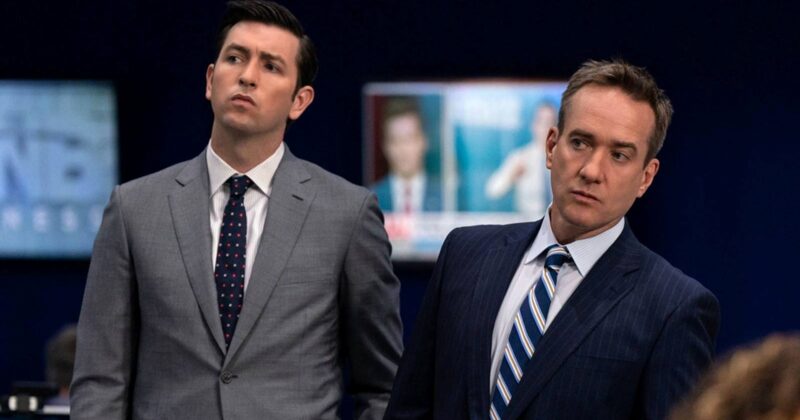
No recent show captures emotional toxicity and moral decay quite like Succession. The Roys rake in riches, yet every relationship is shaped by wounds and power grabs. Each family member’s neuroses—from Logan’s trauma to Kendall’s substance struggles—make them pitiable, if never quite redeemable. It’s proof that wealth can heighten, but never heal, deep personal flaws.
Better Call Saul – Enthralling Evolution of a Criminal Mind
Spinning off from Breaking Bad, Better Call Saul lets viewers experience how small compromises can snowball into life-altering choices. Jimmy McGill’s transformation into Saul Goodman is rooted in wounds, family pressures, and the persistence of bad luck. This slow burn gives fans an unusually detailed psychological portrait of a man straying further from grace, even as his wit and humanity remain visible in flashes.
The Wire – Systemic Decay and Human Weakness
David Simon’s The Wire is a masterclass in empathy. Focusing on the interconnected failings of city institutions, the show studies criminals, cops, politicians, and everyday citizens—all deeply flawed, all painfully real. It doesn’t excuse their actions, but context is everything: addiction, poverty, ambition, and bureaucratic indifference drive both heroism and tragedy, blurring lines at every turn.
The Sopranos – Mob Life’s Ultimate Humanization
Arguably the godfather of modern antihero storytelling, The Sopranos shattered TV conventions by proving an audience could come back each week to watch a criminal kingpin. Tony Soprano’s violent, unpredictable choices remain shocking, but his therapy sessions, family problems, and moments of vulnerability make him impossible to turn away from. James Gandolfini’s performance set a benchmark for depth and complexity in television acting.