10 Unforgettable Series Finales That Are Surprisingly Hard to Rewatch

Series Finales That Remain Difficult to Watch
There’s a unique ache when a beloved series wraps up—especially when its finale is either heartbreakingly definitive, distressingly flawed, or tragically premature. In today’s landscape, where streaming platforms routinely revive cancelled shows or launch spin-offs, it’s easy to forget how permanent many TV finales once felt. Many of these final episodes have lingered in pop culture not just as endings, but as moments that redefined how we feel about the entire series. Let’s dive into ten series finales that fans and critics alike still wrestle with—whether due to harsh narrative twists, creative mishaps, or the sheer pain of saying goodbye.
‘Goodbyeee’ – Blackadder Goes Forth
Sitcoms rarely evoke the kind of profound emotion that Blackadder Goes Forth did in its final moments. After four seasons of acerbic wit and quintessential British humor, the final episode transports its core characters to the grim trenches of World War I. As Blackadder and his companions face their seemingly inevitable fate, the humor ebbs away, replaced by a somber tone that crescendos in their slow-motion charge over the top—a scene that fades into a haunting field of poppies. This sequence remains a stark commentary on the futility of war and a masterpiece in tonal transition—one viewers struggle to revisit even decades later.
‘Objects in Space’ – Firefly
No conversation about painful TV endings is complete without mentioning Firefly. ‘Objects in Space’, the series’ abrupt finale, is notorious for representing everything the show could have become. At the center is River Tam, whose mysterious mind and uncovered abilities hint at future storylines that fans will never experience, thanks to its untimely cancellation. The pain of the finale is only deepened by the knowledge that the narrative possibilities glimpsed here would never be realized—even with the anticipated animated reboot rumored to heal some old wounds.
‘Overview’ – The OA
The OA stands among the boldest and most abstract series in recent memory. Blending science fiction, spirituality, and complex existential puzzles, the show isn’t for everyone, but its passionate fan base was invested up until the mind-bending cliffhanger that capped its second season. The ill-fated finale, introducing a fourth wall-breaking multiverse twist, left audiences both gobsmacked and frustrated. To this day, it’s a struggle to rewatch the finale knowing those big questions might never be answered.
‘The Getaway’ – Dexter
For a show that set a new bar in crime drama, Dexter‘s ending has often been credited with letting down both its narrative legacy and its devoted fans. The last-minute character choices—particularly Debra’s storyline and Dexter’s own hollow fate—felt discordant with earlier seasons’ depth. That sense of creative misfire, still discussed in TV circles, has prompted follow-ups, including Dexter: New Blood, in an attempt to mend bruised fandom.
‘The Iron Throne’ – Game of Thrones
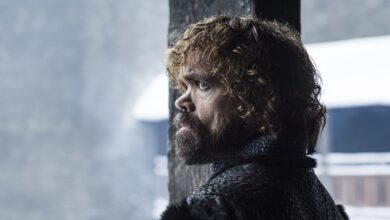
The cultural phenomenon of Game of Thrones was defined by complex arcs, cinematic storytelling, and never being afraid to subvert audience expectations. Sadly, the series finale became infamous for rushing character motivations—most notably Daenerys Targaryen’s transformation into the Mad Queen—and questionable set-piece decisions, such as the Lannister siblings’ anticlimactic demise. The result? A visually stunning but narratively confounding close that continues to spark debate—and is often skipped in rewatches for the more triumphant earlier moments.
‘The Stockholm Syndrome Part 2’ – The Big Bang Theory
Comedy often ages quickly, but The Big Bang Theory‘s finale remains a sore spot, specifically in how it handles the arcs of Sheldon and Penny. Sheldon’s self-centeredness outshines his growth, even as he achieves his Nobel. Meanwhile, Penny’s sudden, unplanned pregnancy is seen as undermining her repeatedly stated life choices. These narrative decisions mar the otherwise celebratory tone of the closer, becoming more glaring with each rewatch.
‘Carry On’ – Supernatural
With 15 seasons and a legacy within genre television, Supernatural had an unenviable task: ending the eternal road trip of Sam and Dean Winchester. Their emotionally charged departures—both the deaths and their eventual reunion—hit hard. Yet, the knowledge that the finale was filmed under COVID-19 restrictions, preventing the return of beloved supporting characters, makes the episode bittersweet and uniquely difficult for longtime fans to revisit.
‘The Last Farewell’ – Little House on the Prairie
Most family series opt for hopeful open-endedness; not so with Little House on the Prairie. Its concluding TV movie, ‘The Last Farewell’, dramatically demolishes the iconic town, erasing any hope for the continuation of Walnut Grove’s story on screen. The explosive farewell to the Ingalls saga stands as one of television’s most final—and emotionally loaded—goodbyes, forever altering how fans experience the classic series.
These series finales stand apart because they embody the real difficulty of closure—whether through their creative choices, timing, or impact on fandoms. For anyone deeply invested in genre TV, these endings are touchstones for conversation, debate, and, often, mournful nostalgia.