How Vampire Movies Broke Their Stereotypes & Shaped Pop Culture
From the legendary castles of Eastern Europe to neon-lit city streets, vampire movies have endlessly reinvented themselves, keeping undead lore at the center of cinematic evolution. Vampires are no longer confined to gothic horror—they’ve infiltrated romance, action, comedy, and even musicals, leaving a mesmerizing mark on every genre they haunt.
Blade: Reinventing Vampires with Action and Style
Long before superhero films dominated multiplexes, Blade shattered expectations with visceral combat, intense style, and an urban mythology that cast vampires as puppet-masters behind modern society. Wesley Snipes’ iconic Daywalker exuded a unique charisma, blending martial arts spectacle with the chilling mystique of the undead. The film established vampires as formidable adversaries in action cinema, setting the stage for the R-rated superhero landscape we see today.
The Lost Boys: Cool, Rebellious, and Unforgettable
With The Lost Boys, vampires broke out of creaky coffins and into rebellious youth culture. Eschewing dusty capes, this film showcased Kiefer Sutherland’s magnetic villain leading a band of energetic misfits. The blend of horror, dark comedy, and a sun-soaked Californian setting transformed the image of the vampire from aloof elder to dangerously cool outsider, turning undead life into an exhilarating, if perilous, party.
Queen Of The Damned: Rock Stardom With Fangs
Queen of the Damned dared to bring vampires into the glare of celebrity. Stuart Townsend’s Lestat embraced his supernatural identity by becoming an international rock star—an audacious twist on Anne Rice’s lore. While fans debated its faithfulness to the novels, the film fused vampire mythology with millennial aesthetics and music culture, furthering a shift toward the seductive, performative vampire archetype.
Twilight: Love Triangles & Cultural Shockwaves
Twilight transformed the public attitude toward vampire media, embedding it deep within romance and coming-of-age conversation. Gone were the days of ravenous monsters; instead, the Cullen clan brought moral restraint and irresistible charm. Vampires became more approachable, even sympathetic, with conflicts revolving around love, secrecy, and forbidden alliances—injecting the genre with emotional intricacy and sparking a wave of supernatural romance films and TV series.
Interview With The Vampire: Introspective Melancholy
Delving into the tragedy of immortality, Interview with the Vampire approached vampire existence through a confessional lens. Brad Pitt’s Louis offered a mournful, guilt-ridden take on life as a predator. Rather than glorifying eternal life, the film dwelled on loss, regret, and the psychological burden of immortality, introducing a level of emotional realism rarely seen in vampire stories before.
What We Do In The Shadows: Mockumentary Mayhem
Few films interrogate the practical pitfalls of vampirism like What We Do In The Shadows. Casting vampires as eccentric roommates navigating modern life, this clever mockumentary delighted audiences by poking fun at age-old tropes—like the literal need for an invitation before entering a nightclub. Its influence now stretches into a TV show, offering fans a fresh, comedic lens on the undead condition without losing sight of foundational vampire rules.
Buffy the Vampire Slayer: From Pop Corn Movie to Iconic TV Heritage
Many associate Buffy with its celebrated television run, but the original film laid vital groundwork. With Kristy Swanson as a gym-slaying high schooler, Buffy carved out a space where supernatural peril met relatable teenage drama. The film’s lighter, satirical tone paved the way for a beloved series and an entire subgenre blending horror, humor, and adolescent empowerment.
Fright Night: Vampires Next Door
Fright Night brought the vampire myth into suburbia, discarding gothic castles for familiar neighborhoods. It kept classic tropes—no reflection, fear of holy symbols—but played them out in a world that felt just like our own, making the horror infinitely more relatable and providing a new playground for genre innovation.
Let the Right One In: Chilling Minimalism
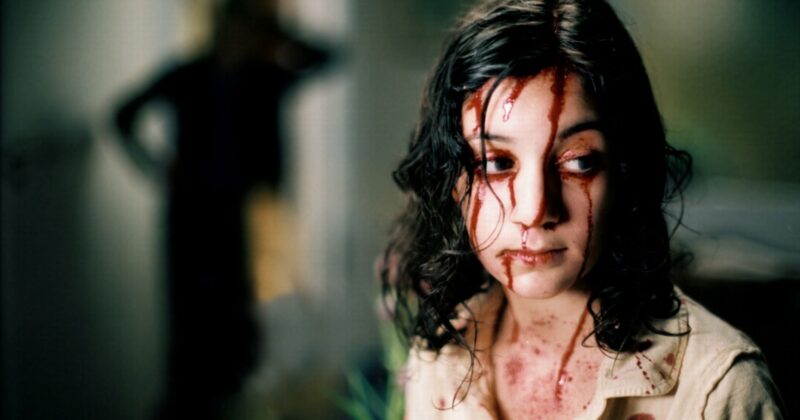
In Let the Right One In, Scandinavian minimalism turned vampire horror into quiet, emotional suspense. The story of young Oskar and the enigmatic Eli offered a haunting meditation on alienation, friendship, and moral ambiguity. Its stark winter setting and understated performances made the monstrous beautiful and the beautiful monstrous, showcasing the genre’s capacity for subtle psychological terror.
Nosferatu: The Original Blueprint
Every modern vampire film, in some way, owes a debt to Nosferatu. This silent classic established many of the visual and thematic conventions—fanged solitude, fear of sunlight, and nightmarish transformation—that continue to define the genre. Its shadow still looms over cinema’s portrayal of the undead, demonstrating the enduring fascination with what lurks just beyond the edge of light.
Vampire Movies: The Shape-Shifting Shadow of Cinema
From blood-soaked martial arts battles to introspective explorations of loneliness, vampire movies continue to thrive by challenging expectations and reimagining what it means to be immortal. Each era brings a new dimension to the legend, ensuring these age-old creatures will never truly fade from the streaming lists—or our cinematic nightmares.