When Science Fiction Fandom Searched for Its Next Bold Frontier
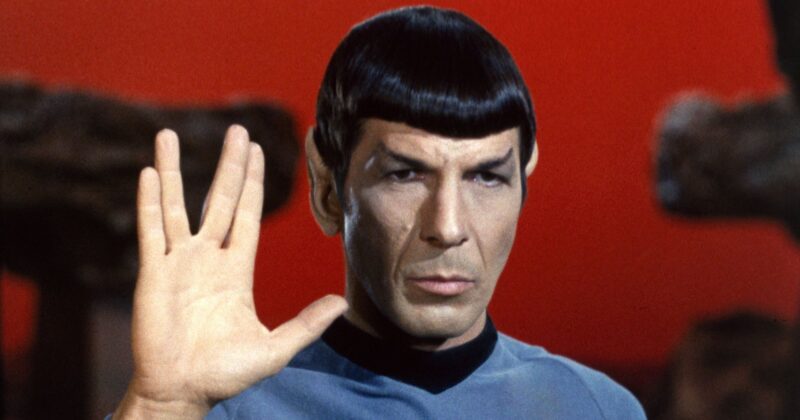
The impact of Star Trek on science fiction is undeniable. Since its debut, the Original Series set the template for space operas: a crew journeying through uncharted galaxies, facing ethical dilemmas, existential threats, and the unknown. It also introduced enduring archetypes—think the intrepid Captain Kirk or the ever-logical Spock—anchoring audiences in humanity’s future among the stars. In the decades since, Star Trek’s influence has echoed through TV, inspiring an endless search for ‘the next Star Trek.’ Multiple shows looked poised to inherit that mantle, only to discover just how high Captain Kirk’s warp-trail blazed.
The Search for the Next Starship Icon
TV networks and streaming services have repeatedly pitched ambitious space explorations. Series like Babylon 5, with its serialized political intrigue, and Battlestar Galactica, which turned military sci-fi into high drama, both drew comparisons for their visionary world-building and memorable crews. While these shows carved loyal followings and critical respect, they found there’s more to being ‘the next Star Trek’ than just stellar set design and alien languages.
Character Chemistry and Sci-Fi Philosophy
What set Star Trek apart isn’t just its futuristic gadgets—though warp drive and matter-antimatter reactors certainly fired up imaginations—but how it grappled with real philosophical quandaries. Few shows since have dared to place as much emphasis on the Prime Directive (that famed non-interference law that remains endlessly debated by fans), or to create relationships as subtly complex as Spock’s ever-present battle between logic and feeling.
Quiz Culture: Fans and Fandom Traditions
The shows that tried to fill the Enterprise’s shoes also had to face a passionate fandom with a penchant for trivia, like knowing Captain Kirk’s ship number (NCC-1701) or recognizing the chilling catchphrase ‘Resistance is futile’ from Star Trek’s most iconic villains, the Borg. Knowledge of Starfleet Academy’s notorious Kobayashi Maru test or Captain Picard’s love for Earl Grey has become a rite of passage.
Those That Came Close
Farscape delivered a wild, psychedelic twist on the lost-in-space motif, with a vibrant cast, practical effects, and unrelenting weirdness. The Expanse, meanwhile, impressed with its gritty realism and scientifically grounded politics, pushing the plausibility envelope of space travel.
Then there’s Firefly, which mastered the fusion of Western and sci-fi aesthetics, creating cult devotion with just one season and a follow-up movie. While its abrupt end made it all the more legendary, it never managed to rewire the ‘Star Trek gene’ into culture’s DNA quite like its predecessor.
Legacy of the Enterprise
The search for the next true Star Trek successor continues because no other series has fully matched its unique blend of optimism, diversity, and forward-thinking tech speculation. Today’s science fiction landscape keeps evolving with every streaming launch, but the gravitational pull of Star Trek remains constant for creators and fans alike. Each new attempt, whether through radical reboots or brand-new universes, pays homage to a franchise that forever raised the bar on what sci-fi on TV could be.