Timeless Science Fiction: Seven TV Series That Refuse to Age
Some television shows belong to an era, while others transcend it entirely. In science fiction, a genre obsessed with futures both utopian and apocalyptic, predicting what will stay relevant is an art in itself. Over the years, practices like using daring visual effects, pushing the boundaries of narrative, and reflecting social anxieties have set a handful of series apart. Even as effects age and tastes evolve, these seven series feel as electrifying and relevant today as when they were first unleashed on screens.
Battlestar Galactica
What began as a minor space opera transformed under Ronald D. Moore’s vision into an essential military science fiction epic. Battlestar Galactica‘s exploration of humanity’s struggle with its own creations, the Cylons, became a mirror for real-world conflicts and ethical dilemmas. Whether reflecting global instability or internal divisions, the show’s examinations of war, identity, and what it means to be human remain as urgent as ever. Its careful commentary and rich character arcs continue to inspire heated discussion across online forums and fan communities deeply invested in its legacy.
The Prisoner
If any show embodies the term «cult classic,» it’s The Prisoner. Mixing elements of psychological drama, surrealism, and espionage, it delivered a Kafkaesque narrative as challenging today as it was at its debut. The nameless protagonist, known only as Number Six, confronts surveillance, conformity, and the loss of self in a sinister coastal village. Its refusal to offer easy answers or tidy resolutions paved the way for today’s «mystery box» phenomenon, influencing acclaimed series like Lost and Twin Peaks. The show’s visual and thematic boldness ensures it remains a deep well for academic critique and pop culture inspiration alike.
The X-Files
Chris Carter’s The X-Files managed to weave together elements of police procedural and supernatural horror, launching FBI agents Mulder and Scully into cases that stretched credibility—but never chemistry. The show’s enduring popularity owes as much to Gillian Anderson and David Duchovny’s electric dynamic as to its genre-blending plots. From extraterrestrial conspiracies to grotesque monsters, each episode shone with an interplay of skepticism and wonder that continues to resonate. Its impact is still visible in the DNA of modern sci-fi and horror storytelling alike.
Firefly
Firefly stands out not only for its cult following but for what it achieved within a mere 14 episodes. Joss Whedon reinterpreted classic Western themes within a star-hopping, outlaw sensibility. The show’s future is lawless and uncertain, but its core cast—led by a rogue captain—inject warmth, wit, and depth into every conflict. The spaceship Serenity and her crew evoke found family narratives that predate and inform contemporary space sagas. Firefly remains the quintessential space Western, and its legacy is felt in every piece of genre TV that values character as much as spectacle.
Futurama
Matt Groening’s Futurama took the DNA of his previous animated success and warped it into a sci-fi workplace comedy filled with both surreal humor and philosophical inquiries. Unlike many sci-fi comedies, Futurama walks the line between slapstick and speculation, often tackling profound ideas like parallel universes and time paradoxes with equal parts hilarity and heart. The show’s legacy lives on through streaming platforms and a bustling online fanbase that continues to dissect episodes, easter eggs, and ever-relevant jokes.
Star Trek: The Original Series
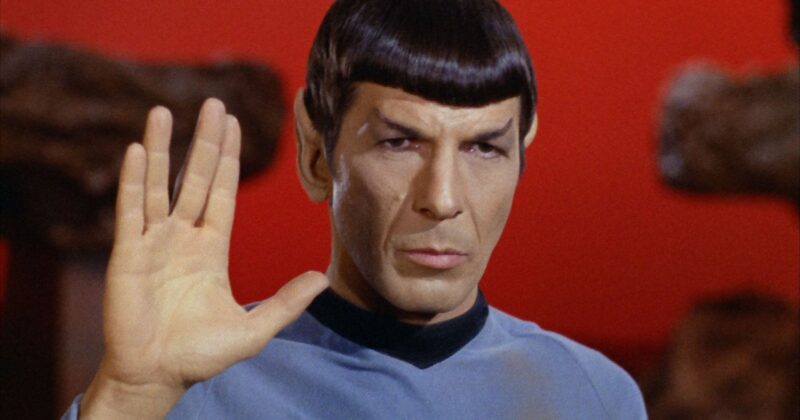
Star Trek dared to imagine a future where humanity leaves behind division and prejudice to explore the cosmos together. Casting choices that reflected diversity—placing women and minorities in leadership roles—were as revolutionary as the show’s speculative technology. Through allegorical episodes like ‘Mirror, Mirror’ and ‘The City on the Edge of Forever,’ the crew of the U.S.S. Enterprise addressed pressing social issues masked within interstellar adventures. The original show stands as a beacon for inclusion and progressive storytelling, its moral compass as steady as ever in turbulent times.
The Twilight Zone
Though not detailed above, The Twilight Zone deserves mention for its genre-defining mix of moral fables and speculative plots. Rod Serling’s anthology crafted worlds both familiar and unsettling, its commentary on human nature as pointed in today’s headlines as it was in its earliest episodes. The format still serves as a benchmark for both narrative risk and emotional impact, inspiring recent reboots and homages across streaming platforms.
These series prove that while science fiction may look to the future, its greatest works remain timeless, their influence undimmed and their stories needed as much as ever.