7 TV Shows That Tried to Recapture The X-Files Magic

The X-Files Effect: TV’s Never-Ending Hunt for a Cult Phenomenon
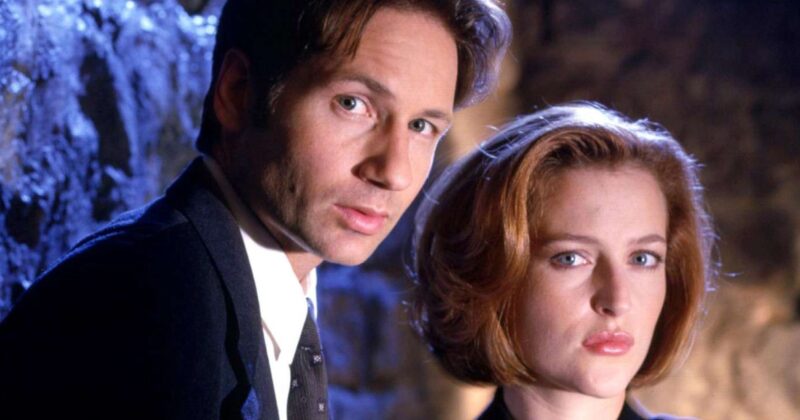
Back when the landscape of television was awash with sitcoms and procedural dramas, The X-Files burst onto the scene, rewriting what audiences expected from sci-fi and mystery series. The chemistry between Mulder and Scully was electric, the investigative formula addictively compelling, and the blend of conspiracy, horror, and skepticism set a gold standard. Decades later, networks and creators continue chasing that elusive blend of gripping arc plots and stand-alone mysteries.
Evil: Spiritual Successor with a Sinister Twist
Evil has emerged as one of the most acclaimed spiritual successors to The X-Files’ legacy. Created by Robert and Michelle King, this psychological thriller bets big on the investigative X-Files procedural structure, but overlays it with a heady dose of theology and demonic paranoia. Dr. Kristen Bouchard, institutional skeptic, mirrors Scully’s rationalism, while David Acosta’s open-minded faith channels Mulder’s obsession with the paranormal. Ben Shakir injects some much-needed levity. Together, this trio investigates supernatural claims for the Catholic Church, confronting modern fears with psychological and supernatural overtones. The show’s willingness to blend real-world religious anxieties with classic monster-of-the-week pacing has resonated with fans craving a 21st-century update on The X-Files formula.
Supernatural: Monster Hunters on the American Road
If The X-Files was about official agents on government business, Supernatural flips the script with the Winchester brothers—blue-collar monster slayers traveling America’s back roads. Early seasons lean hard into weekly threats and cryptic phenomena, echoing the unpredictable storytelling rhythm that put The X-Files on the map. However, as the seasons spiraled into cosmic battles between heaven and hell, Supernatural distinguished itself with expansive lore and an emotionally charged core. For fans of cryptids, urban legends, and occult Americana, it remains a singular binge-worthy odyssey.
LOST: Mystery Island and Mythic Storytelling
The X-Files taught an entire generation to trust no one and question everything. LOST ran with those lessons, introducing viewers to a world of secret cabals, strange science, and survivors tested by the unexplained. Each episode oscillated between present struggle and past secrets, and by threading scientific conspiracy with metaphysical questions, LOST generated the same fervor for complex, crowd-theorizing plotlines. Drawing inspiration from the classic, tellingly shadowy government agents and underground bunkers, the show’s legacy as a meta-mystery series remains unmatched aside from its spiritual predecessor.
Gravity Falls: Animation Meets the Paranormal
Though it comes from Disney, Gravity Falls is no stranger to the phenomenal. The story centers on siblings Dipper and Mabel discovering a menagerie of oddities during a summer with their eccentric Uncle Stan. What sets Gravity Falls apart is its seamless fusion of supernatural shenanigans with a genuinely intricate long game of mysteries and codes—perfect for fans who grew up decoding secret messages in The X-Files. The show wears its pop culture influences on its sleeve, creating an animated homage with enough narrative depth to challenge the original’s storytelling, wrapped in quirky, irreverent humor.
Millennium: The X-Files Expands Its Universe
Directly tied to The X-Files’ creator, Millennium stands as perhaps the boldest attempt to build an interconnected mythology. Frank Black, a former FBI profiler blessed—or cursed—with unusual insight into criminal minds, navigates a darker, moodier investigation into doomsday cults and the impending millennium. The show’s complex conspiracies and shared universe align closely with The X-Files, appealing to fans who crave cerebral puzzles and layered plot threads. Sadly, its shorter lifespan limited how deeply audiences could invest in its unsettling vision of a world on the brink.
Warehouse 13: A Lighter, Quirkier Adventure
Where The X-Files evoked dread, Warehouse 13 injected playfulness into the hunt for the inexplicable. Special Agents Pete and Myka are tasked with recovering supernatural artifacts, each with potentially devastating powers. The show riffs on conspiracy, secret government agencies, and the balance between skepticism and wonder. It’s an accessible entry point for viewers who want their sci-fi adventure tinged with humor, without sacrificing edge-of-your-seat artifacts and historical secrets. For those who value the camaraderie and wit between Mulder and Scully, Warehouse 13 expands that dynamic with a larger, more eccentric found family feel.
Fringe: Science Unbound and Paranoia Unleashed
Few series have managed to combine weird science with procedural thrills as deftly as Fringe. Centered on FBI Agent Olivia Dunham and the fractured Bishop family, Fringe’s exploration of parallel universes, mad science, and secret initiatives is an overt homage to The X-Files. At its best, it pits rigorous skepticism against mind-bending phenomena, blending complex character arcs with existential sci-fi. The show’s reverence for its predecessor is clear—but it also pushes boundaries, diving into speculative fiction with boldness and flair, making it essential viewing for anyone who ever longed for more mythology beyond Mulder and Scully’s files.
Cult TV’s Unbroken Spell
Each of these shows, in its own way, recaptures a facet of The X-Files’ unique blend—be it procedural tension, mythic storytelling, or the electric charge of characters navigating the unknown. While the original retains its place as an unrepeatable phenomenon, the appetite for conspiracy, monsters, and the thrill of the unexplained has never left the prime time spotlight. Fans are still searching the night sky—and their streaming queues—for the next encounter worth believing in.