8 Anime Masterpieces Undone by Disastrous Finales
No feeling stings quite like being swept away by a phenomenal anime, only to be left bewildered or disappointed by its finale. Closing out a gripping story is a formidable challenge, especially in an industry rife with unpredictable source material, studio management issues, and ever-evolving fan expectations. These eight anime represent some of the medium’s greatest creative heights, yet their endings sparked controversy and, for many, left a sour taste.
The Promised Neverland: A Masterclass in Missed Opportunities
Few anime have gripped new viewers as effectively as The Promised Neverland did with its electrifying first episode. The initial season soared thanks to its faithful adaptation of the manga, merging psychological horror with an intense survival narrative. Yet the second season went spectacularly off-rails, abandoning the meticulous plotting of the source in favor of a wildly reimagined storyline. The disconnect was so pronounced that the atmosphere and logic the series built unraveled, overshadowing even its most powerful moments. For fans who cherish cohesive worldbuilding and character progression, this shift was nothing short of heartbreaking.
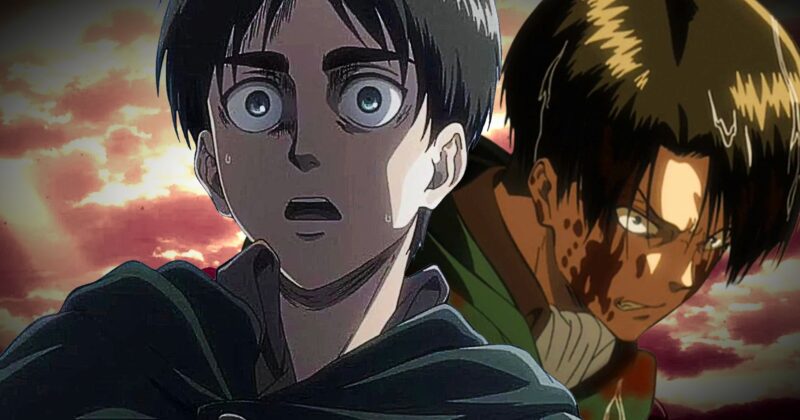
Attack on Titan: A Titan of Hype, a Finale in Limbo
Attack on Titan transformed global anime fandom, with explosive action and a complex web of political intrigue. However, the extended rollout of its heavily marketed ‘final season’—split into multiple confusing parts and even a recap «last movie»—robbed the franchise of narrative momentum. Those following strictly the anime (and not the manga) found each new ‘final’ installment frustrating, with the actual ending feeling less like a catharsis and more like an endurance test. Combined with its polarizing conclusion, the experience left both new and veteran fans divided, despite the series’ groundbreaking impact.
Berserk: Legendary Manga, Perpetually Failed Adaptations
Berserk remains a gold standard for mature dark fantasy. Yet anime adaptations have consistently failed to do justice to Kentaro Miura’s magnum opus. While the ’90s series and movie trilogy captured parts of its brilliance, the much-maligned 2016 adaptation was universally critiqued for lifeless CGI and erratic pacing. Even a decade later, there’s been no worthy continuation or reboot—leaving new viewers adrift and long-time fans still yearning for a deservedly epic anime rendition. Its fate stands as a cautionary tale against mishandled adaptations.
Kaguya-sama: Love Is War’s Drastic Story Cuts
Kaguya-sama: Love Is War stands out as one of the most beloved comedy romances in recent anime, praised for its clever storytelling and hilarious mind games. Unfortunately, its most recent TV special drastically accelerated the plot, skipping over 100 chapters of the manga. This decision leaves anime-only fans without some of the most heartfelt and comedic arcs, fundamentally altering the emotional buildup between Kaguya and Miyuki. While the adaptation still exudes charm, it’s impossible to ignore how much of its soul is lost in translation.
Fire Force: A Franchise Divided by Delay
Fire Force emerged as a breakout shōnen, fueled by inventive supernatural battles and pulsating animation. Yet after its rapid-fire first two seasons, the excessive gap before the third season led to whiplash: a sudden narrative and tonal transformation so jarring that it barely feels like the same series. The core appeal—slick firefighting combat and quirky camaraderie—gets muddled, leaving fans uncertain about where the story is headed or what truly defines the show.
Naruto: Shippuden’s Controversial Antagonist Switch
Naruto: Shippuden delivered emotional closures for long-running character arcs, culminating in Naruto’s long-awaited wedding. Yet just before this satisfying endpoint, the narrative made a sharp left turn: Madara Uchiha, long established as a top-tier villain, is abruptly removed to introduce Kaguya Otsutsuki and her alien backstory. This twist shattered the stakes and coherence built up across the series, leaving even steadfast fans divided on its legacy.
No Game No Life: Perpetual Unfulfillment
No Game No Life dazzled audiences with its vibrant visuals and ingenious contests, building a cult following in just twelve episodes. However, its lack of continuation, despite years of anticipation, leaves its otherwise promising momentum unresolved. Anime newcomers face a tough question—why start a series if all it offers is a leap into uncertainty?
Orange: Emotional Realism Meets Unfinished Business
Orange tackled complex topics like depression and regret head-on, earning praise for a delicate portrayal of mental health and time travel’s emotional implications. Yet by sidestepping some of its own narrative dilemmas—particularly those raised by its time-travel premise—the series ultimately leaves core questions unanswered. It’s a rare blend of sensitivity and frustration that lingers long after the credits roll.