X-Men Lessons the Marvel Cinematic Universe Can’t Afford to Overlook
The upcoming integration of the X-Men into the Marvel Cinematic Universe isn’t just a milestone for superhero cinema—it’s a chance to reflect on nearly two decades of mutant storytelling and rethink what made them truly iconic on screen. The original Fox film saga, running from the first team adventure all the way to The New Mutants and Deadpool, delivered unforgettable highs and a handful of infamous missteps. Watching all fourteen entries back-to-back makes it clear: the MCU’s new take on mutants has a unique opportunity to refine, honor, and expand on the groundwork Fox laid, instead of starting from scratch.
Mutant Politics and Social Relevance: X2’s Lasting Blueprint
The heart of the X-Men franchise has always pulsed with allegories for discrimination and identity. No cinematic installment embodied this more acutely than X2: X-Men United, where the mutant metaphor went beyond punch-ups to tackle governmental panic, prejudice, and family strife. Who could forget the subtext of Bobby Drake’s coming out to his parents—a scene instantly memorable for its emotional authenticity? As Marvel Studios brings mutants into its shared universe, this kind of socio-political rootedness needs to be front and center. Superhuman spectacle is meaningless if separated from the internal and external conflicts that make the X-Men resonate in every generation.
The Phoenix Saga: What Timing Really Means
The «Dark Phoenix Saga» stands as one of Marvel’s most beloved comic arcs—and yet, both major Fox adaptations stumbled by failing to earn its emotional gravity. The MCU should resist the urge to leap into this storyline. Letting Jean Grey—and the whole team—mature across multiple films before tackling her tragic transformation would allow the story’s heartbreak to land with real force. Building that investment is something comics did over years. The next chapter on screen should be no different; patience will be its greatest payoff.
Prioritizing the True X-Men Team Dynamic
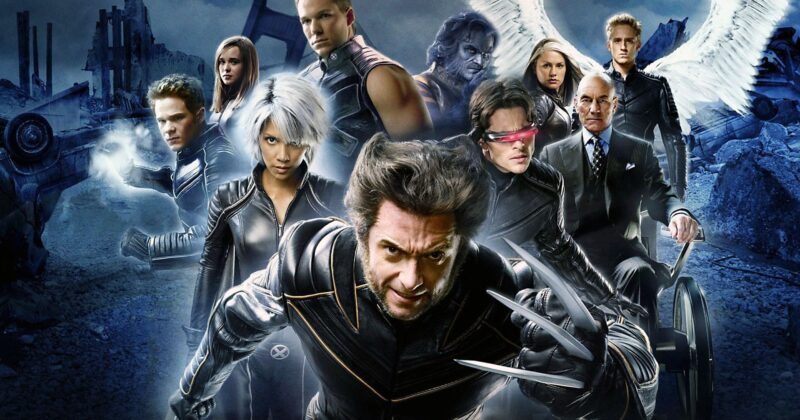
Fans have long celebrated the X-Men as a found family, not just a collection of soloists. But the later Fox films saw Wolverine’s charisma overshadow other equally fascinating heroes. While it’s impossible to ignore the impact of Wolverine, the core of the X-Men is about unity in their differences—Cyclops’ leadership, Storm’s wisdom, Rogue’s struggle, Nightcrawler’s faith, Kitty Pryde’s tenacity. The MCU has already juggled massive groups with the Avengers, showing a knack for meaningful ensemble work. Replicating this with the next generation of mutants will be crucial in distinguishing them from any other team.
Beyond Wolverine: Let Others Lead
The Fox era made Hugh Jackman’s Wolverine a superstar, but many legendary mutants barely made it out of the shadows. Cyclops, Storm, and Gambit in particular deserve more than cameos or sidelined arcs. There’s excitement in the possibility of seeing Storm finally claim the leadership role that made her iconic in comics, or Cyclops wrestle with the responsibility of guiding his peers. MCU audiences will only benefit from a wider spotlight—allowing us to fall in love with every member, not just the most marketable face.
Comic-Accurate Costumes: Time to Embrace the Color
The early 2000s might have needed black leather to sell superhero seriousness, but that era has long passed. Audiences now cheer for authenticity, vibrancy, and visual distinction. The MCU has redefined the look of comic heroes, and the X-Men should be no exception. The last shots of X-Men: Apocalypse, and the boldness of the recent Deadpool & Wolverine costumes, proved there is real fan demand for comic-accurate designs. The days of being self-conscious about yellow spandex are over; it’s time for Marvel to show each character’s identity with pride and flair.
Respecting the Source (But Not Shackled to It)
Every adaptation involves some changes, but the Fox franchise occasionally drew criticism for altering fundamental mythologies—transforming Juggernaut’s origin or shifting Mystique’s place in the canon. While reinvention can spark creativity, there’s a reason some relationships and histories endure: they work. The MCU should trust the source material, preserving the essence of each character and the web of connections that have made the X-Men universe so compelling for decades.
Show Their True Power: Don’t Water Down Mutant Abilities
Fans are still talking about the potential that characters like Rogue or Cyclops hold—not just in terms of personality, but sheer power. The Fox approach frequently underplayed mutants’ abilities for the sake of realism. The MCU, on the other hand, now exists in a universe where cosmic gods and quantum realms coexist. There’s no need to scale back: let these heroes shine as the awe-inspiring icons they’re meant to be, with their full range of abilities unleashed.
Complex Villains and Shades of Grey
The X-Men have always stood out for their morally complex adversaries—think Magneto, who is both a nemesis and often a deeply sympathetic figure. The Fox films occasionally embraced this depth; the MCU should make it a core principle. By exploring nuanced motivations and the blurred lines between right and wrong, the next generation of X-Men stories can tap into something uniquely mature in the genre.
The MCU’s introduction of the X-Men is the fresh start fans have been waiting for. If Marvel Studios builds with equal passion for the comics, culture, and emotional depth that made the franchise unforgettable, they won’t just succeed—they’ll set a new standard for superhero movies everywhere.