8 Horror Movie Reboots That Missed the Mark: Why the Originals Still Reign Supreme
When Remakes Go Wrong: The Problem with Certain Horror Reboots
Horror has always been enamored with reinvention, and over the last two decades, the genre has seen an onslaught of reboots and remakes. While some attempts managed to breathe new life into classic tales, many failed to capture the eerie brilliance or cultural impact of their legendary predecessors. Here, we dive into a curated look at eight horror reboots that simply couldn’t recapture the magic—or the terror—of the originals.
Cabin Fever: A Near-Identical Rehash Without the Spark
The original Cabin Fever remains a cult favorite, thanks to its shocking body horror and a cast that somehow made audiences both cringe and laugh. However, its reboot felt more like a shot-for-shot remake with nothing new to offer except a few surface-level updates. The casting choices and minor modern changes couldn’t disguise the lack of fresh vision. When a reboot feels almost indistinguishable from the original, it struggles to justify its own existence for new or returning audiences.
The Wicker Man: From Psychological Dread to Meme Status
Attempting to match the sinister tension of Robin Hardy’s folk horror original, the Wicker Man reboot delivered more notoriety for its outlandish moments—most infamously, the bee helmet scene—than genuine scares. Nicolas Cage’s intense performance, while memorable for all the wrong reasons, clashed with the unsettling subtlety that made the original a classic. Instead of building creeping dread, the remake hit viewers with direct horror, losing the enigmatic spirit that made the story endure.
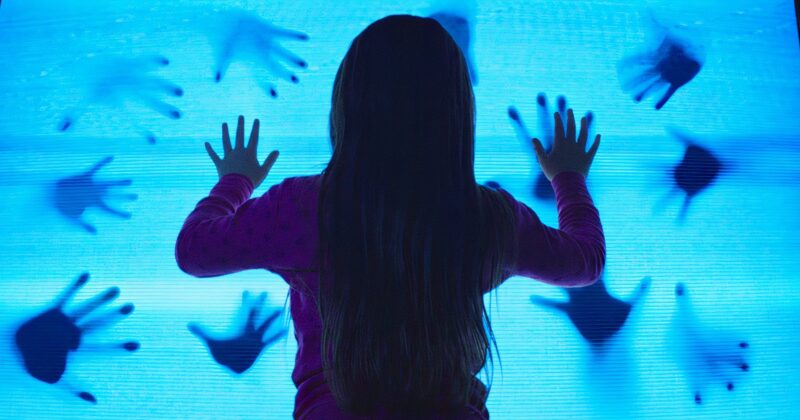
Poltergeist: Supernatural Terror Diluted by Overuse of CGI
Fans still revere the original Poltergeist for its suspenseful storytelling and deep emotional core—a rarity for ghost stories of its era. Its reboot, on the other hand, attempted to modernize the experience with digital effects and a brisk pace. The result was a film that delivered less emotional investment, made key moments land with less impact, and sacrificed the slow-burn anxiety that once defined it. Instead of keeping viewers transfixed, it felt oddly rushed, even as it tried to tick all the expected boxes.
A Nightmare on Elm Street: Losing Freddy’s Sinister Charm
Freddy Krueger is iconic not just for his terrifying ability, but for his twisted sense of humor. The reboot abandoned much of Robert Englund’s multidimensional villainy, presenting a purely malevolent Freddy whose evil felt one-note. Though the updated film experimented with ‘micro naps’ and paid homage to classic scenes, it failed to weave these into a fresh or equally engaging narrative. The loss of the character’s signature personality left long-time fans cold.
The Fog: Trading Atmosphere for Speed and CGI
The original The Fog stands out as a masterclass in building suspense through atmosphere and pacing. The reboot jettisoned these strengths in favor of faster pacing and a reliance on visual effects that couldn’t keep up with technological expectations. Its PG-13 rating and direct, less nuanced approach left it feeling disconnected from the haunting quality that defined its predecessor—proving that modern effects can’t always replace slow-building tension.
Black Christmas: More Gore, Less Chilling Mystery
Renowned for pioneering many slasher conventions, the first Black Christmas used suggestive violence and psychological tension to unsettle viewers. The reboot opted for more explicit gore and jump scares, a shift that notably divided the audience. The focus on shock value over suspense diluted the disturbing phone calls and voyeuristic horror that made the original a lasting influence in the genre. Sometimes, what you don’t see is far scarier than what you do.
Prom Night: From Scream Queen Suspense to Teen Thriller
With its whodunit structure and the magnetic presence of a horror icon in the lead, the original Prom Night remains a slasher favorite. Its reboot, while boasting modern stylistic touches and box office success, abandoned much of the complexity, offering a straightforward killer whose motivation was immediately apparent. By trading masked mystery for simplicity—and amping up the teen drama—the reboot catered to a younger audience but forfeited the tense guessing game that defined the source material.
One Missed Call: Lost in Translation and Trend Fatigue
This reboot attempted to adapt the chilling concept of a supernatural curse delivered via mobile phone—an idea born in Japanese horror cinema. While the original unnerved with its cultural specificity and haunting ambiguity, the remake failed to find its own identity amid an over-saturated market of similar tech-based horror stories. The tension and style that made the source material unique was drowned out by formulaic scares, leaving the film adrift among the many remakes chasing similar success.
A Lesson for Horror Fans
These reboots demonstrate that innovation and respect for original material are essential when revisiting horror classics. While nostalgia draws audiences in, earning their lasting fear requires more than echoing the past; it needs genuine vision and storytelling that both honor and transcend what came before.