When Hollywood Forgets What Made the Original Shine: 8 Adaptations That Lost Their Way
Movie adaptations form the backbone of much of pop culture’s most iconic moments, but there are times when the big-screen treatment drifts so far from its literary or theatrical roots that it fundamentally changes the story’s core. While artistic license is expected—and innovative reinterpretation can breathe new life into classics—some adaptations lose sight of what made the source material compelling in the first place. Here’s a deep dive into eight memorable cases where the adaptation missed the mark.
The Shining: The Descent Starts Before the Overlook
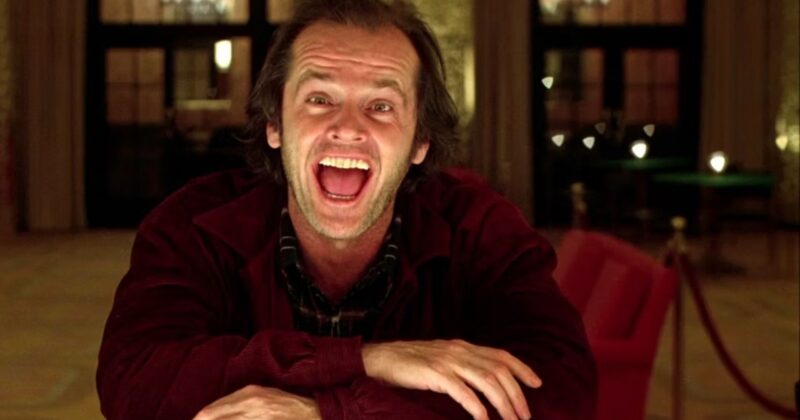
Stanley Kubrick’s The Shining is a pillar of psychological horror, but as an adaptation of Stephen King’s novel, it fundamentally alters the spine of the narrative. In King’s original, Jack Torrance begins as a conflicted, sympathetic character—his downfall brought on by the supernatural grip of the Overlook Hotel. Yet in Kubrick’s film, Jack Nicholson plays Jack as disturbingly unhinged from the start. The sense of inevitable corruption at the hands of the hotel is lost, replaced instead by a pre-existing rage that rewrites the story’s impact. For those who know the book, the transformation robs the narrative of its tragic character arc—one of literature’s most potent descent-into-madness tales.
Into The Woods: Where the Darkness Went Missing
The original stage musical Into The Woods is a boundary-pushing mix of fairy tales that revels in bleak themes and the harsh consequences of desire. When adapted for cinema, Disney sanitized much of the mature complexity that made the musical so subversive. Dark plotlines were softened, sharper moral questions dulled, and the predatory symbolism in characters like the Wolf practically erased. The result is an enjoyable fantasy, but deprived of the existential punch that fans of the stage production hold dear.
Batman v Superman: Dawn of Justice: Icons Misunderstood
Comics have long presented alternative versions of heroes like Batman and Superman, but Batman v Superman: Dawn of Justice arrived as the cinematic foundation for the new DC universe. The film’s tone cast Batman as a merciless vigilante and Superman as a brooding outsider, ignoring the values that made them cultural touchstones—Batman’s refusal to kill and Superman’s unwavering optimism. Archetypal reinterpretations can work; just look at alternate-universe comics. However, as the main introduction to these pillars of heroism for a generation, their essence became muddied, robbing the franchise’s launch of emotional resonance and thematic clarity.
Minority Report: Turning Dystopia into Feel-Good Sci-Fi
Philip K. Dick’s original story behind Minority Report explores dark philosophical questions about free will and the illusion of choice. In the novella, the bleak conclusion sees Anderton unravel the precrime system at terrible personal cost, leaving readers pondering the price of security. The film, meanwhile, transforms this meditation into an action-packed thriller with a surprisingly tidy resolution, closing with Anderton escaping consequence and a happy family reunion—an inversion of Dick’s intended meaning and a step away from the provocatively ambiguous ending that makes the source material unforgettable.
Watchmen: Deconstructing Heroes—or Celebrating Them?
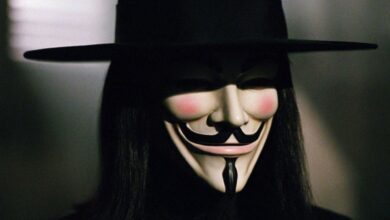
Alan Moore and Dave Gibbons’ Watchmen was never meant to be celebratory. It’s a biting critique of superhero mythos, exposing the neuroses and failings of those with extraordinary power. The film adaptation, visually stunning and loyal to the graphic novel’s panels, glosses over much of the subtle social commentary. Instead, it leans into the spectacle—hyper-stylized violence and iconic hero moments—ironically glorifying the same ideas the comic exists to challenge. This disconnect can leave movie-only viewers missing the point: these aren’t heroes to idolize but warnings to heed.
The Strangers: Chapter 2: When Uncertainty Becomes Exposition
The terror of the original The Strangers is rooted in the arbitrary nature of violence. Audiences were gripped by the anonymity and lack of motive behind the masked intruders—fear at its most primal. In the sequel, the decision to reveal backstories and motivations for the killers sharply undermines this atmospheric dread. Instead of faceless evil, the narrative pivots to explanations and rationales, diluting the randomness that made the franchise’s premise so chilling in the first place.
Troy: Stripping Myth of Its Magic
Wolfgang Petersen’s Troy presents itself as a sweeping epic, with grand battles and fiery romance, but it strips away almost all supernatural elements from Homer’s Iliad. The gods—central players in Greek myth, often as flawed and meddling as the mortals—are all but absent. This choice grounds the film in gritty realism, but at the expense of the mythical scale and psychological depth central to the original poem. The divine manipulations, the pettiness and whimsy of Olympus—these are core to the ancient narrative, replaced here by gritty melodrama and earthly ambition.
Bonus Titles
While the above titles are among the most discussed adaptations that missed their source’s philosophical heart, the trend persists across genres and decades. The tension between creative reinvention and faithfulness is eternal, especially in a world where every book, comic, or play is a candidate for cinematic transformation. Sometimes, the price of a blockbuster is the loss of a story’s soul.