Unveiling Sci-Fi Series That Transcend Their Own Beginnings
The world of science fiction on television is ever-evolving, bringing forth experiments in long-form storytelling and bold visual ambition. While some shows capture audiences instantly, the most rewarding sci-fi series often grow into their potential, delivering narrative complexity and emotional depth with every new season. These are the shows that captivate viewers long after the pilot, climbing steadily to cult status or even mainstream critical acclaim.
Orphan Black: Clones, Politics, and Philosophy
Orphan Black began as a sharp, mysterious clone thriller but swiftly matured into a masterclass of character-driven science fiction. The show’s secret weapon is Tatiana Maslany, whose versatile portrayal of multiple clones made waves in television history. As the series leaned into its political conspiracy and philosophical themes—from bodily autonomy to the dark side of biotechnology—the story gained real weight. By season 5, every main clone received a heartfelt resolution, transforming Orphan Black from an intriguing premise into a must-binge saga of identity and resistance.
Star Trek: The Next Generation: From Uneven Start to Iconic Greatness
Taking the mantle from its legendary predecessor, Star Trek: The Next Generation initially suffered from recycled plots and inconsistent writing. Yet, as the series pushed forward, it solidified its place in sci-fi thanks to philosophical storytelling and unforgettable performances, particularly from Patrick Stewart as Captain Picard. Third-season standout episodes like ‘Yesterday’s Enterprise’ and ‘The Inner Light’ proved the show’s willingness to engage with provocative ideas, quickly becoming benchmarks for the genre.
The Expanse: Realism and Politics in Space
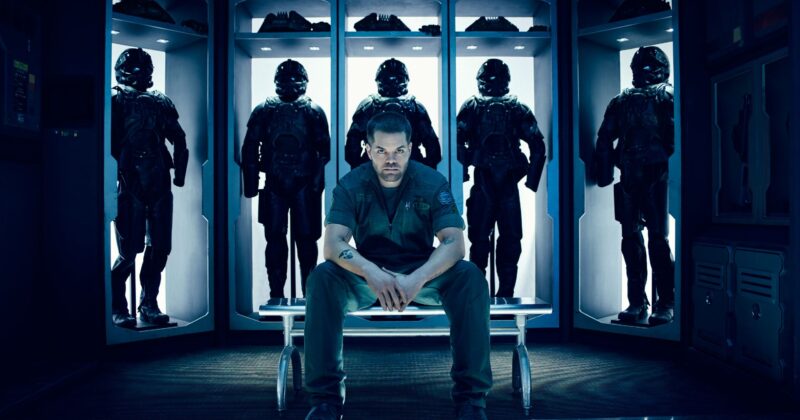
The Expanse, adapted from the acclaimed novels by James S. A. Corey, elevated the space opera subgenre with rigorous attention to science and realistic geopolitics. While the first season drew viewers in with slow-burning intrigue, later seasons delivered high-stakes narratives around the Eros incident and the game-changing Ring Gate. As streaming platforms allowed for greater creative freedom, the writers weaved in deeper explorations of power, morality, and survival, turning The Expanse into a modern classic among sci-fi purists and newcomers alike.
Babylon 5: The Blueprint for Serialized Sci-Fi
Before serialized, long-arc storytelling was commonplace, Babylon 5 set the model. The journey started with clunky dialogue and standalone episodes that only hinted at something more. When the Shadow War arc unfurled, the interconnected foreshadowing paid off, evolving the series into a grand tapestry of political maneuvering, betrayal, and cosmic mystery. This meticulous slow-burn approach influenced countless series that followed, proving a bold five-year plan could keep audiences invested and guessing.
Star Trek: Deep Space Nine: Ethical Grey Zones and War
Pushing the boundaries of the franchise formula, Star Trek: Deep Space Nine carved its niche by focusing on the complexities of station life and interstellar diplomacy. Early skepticism gave way to admiration as later seasons delved into the Dominion War, tackling issues of ethics, loyalty, and the costs of leadership. Captain Sisko’s morally challenging choices, paired with the evolving arcs of characters like Kira Nerys and Gul Dukat, gave the show a gravitas that can still spark debates among Star Trek aficionados.
Fringe: Beyond the Monster-of-the-Week
Fringe transformed from episodic oddities into one of the most ambitious science fiction series on network TV. Led by Anna Torv, John Noble, and Joshua Jackson, its heart became the alternate universe mythology—most notably in the emotionally charged third season. Complex narratives on memory, identity, and destiny flowed seamlessly, setting a high bar for character-driven sci-fi while offering fans sharp twists and mind-bending concepts until its unforgettable finale.
Person of Interest: From Procedural to Algorithmic Dystopia
What began as a crime drama soon blossomed into a deeply prescient tale about AI, freedom, and surveillance. Person of Interest, crafted by Jonathan Nolan, used its early case-of-the-week format as a launchpad for exploring the radical implications of artificial intelligence in society. As «The Machine» and its adversary Samaritan came to the forefront, themes such as algorithmic control, ethics, and autonomy took the spotlight, earning the show retrospective acclaim as a visionary work relevant to today’s tech landscape.
Farscape: Puppetry, Aliens, and Psychological Exploration
Farscape wowed with bold alien designs and technical artistry, thanks to its partnership with The Jim Henson Company. The story, following astronaut John Crichton’s wild journey across the universe, initially stumbled with episodic inconsistency. But as multi-season story arcs, especially the Scorpius storyline, took root, the show delved into psychological complexity and operatic stakes. Its evolution from quirky adventure to high-concept space opera cemented its legacy, culminating in the beloved miniseries, The Peacekeeper Wars.
Why These Sci-Fi Journeys Matter
Across each of these trailblazing series, the real magic happened when creators allowed for narrative evolution. By daring to move beyond their initial formulas—embracing expanded mythologies, serialized arcs, and bold ethical questions—these shows reward patient viewers with stories that become richer and more compelling with every season. If you’re searching for sci-fi that’s as ambitious as it is rewatchable, these are the titles that deliver on that promise.