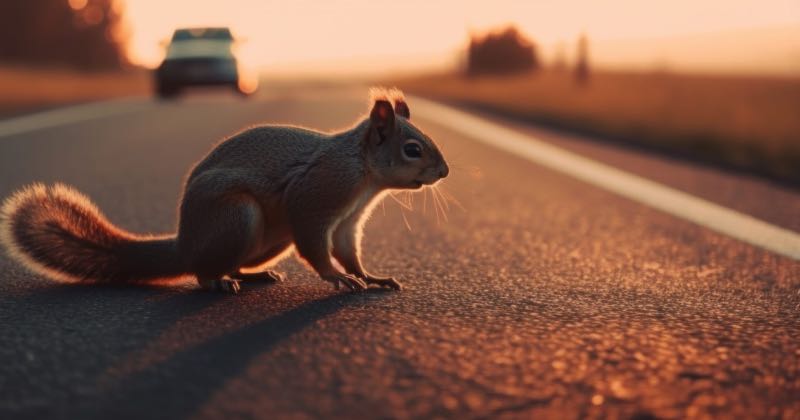
Mommy, can we keep him?

It’s natural for children (and some adults) to feel tenderness for small wild rodents that can be found in the wild. However, as adorable as they may seem, it’s important to understand that wild rodents should not be handled or kept as pets. Raising them at home is not only harmful to them, but can also pose a risk to the health and safety of your family.
Is it safe to keep wild rodents as pets?
The short and clear answer is: NO. Adopting a wild rodent as a pet is not a good idea, even if you have found it injured and have nursed it back to health. Here’s why:Recommended Content:
1. Legal considerations
In many countries and regions, keeping wild animals without proper permits is illegal. Wildlife protection laws exist to preserve the ecological balance and prevent animals from suffering in unsuitable environments. Before you consider keeping a wild rodent, check local regulations to avoid penalties.
2. Health risks
Wild rodents can carry diseases and parasites that are dangerous to humans and other domestic animals. Some of these diseases include:
- Hantavirus : A potentially fatal infection transmitted by the urine and feces of rodents.
- Leptospirosis : A bacterial disease that can cause kidney or liver failure.
- Rabies : Although rare in rodents, it remains a risk in some areas.
- Parasites : Fleas, mites**: Fleas, mites and ticks can transmit diseases to both humans and domestic pets.
Even if your rodent appears healthy, it could be incubating one of these diseases without showing any visible symptoms.
3. Wild instincts and animal welfare
Wild rodents have behaviors and needs adapted to their natural environment. In captivity, they may experience:
- Extreme stress from feeling trapped.
- Lack of space to explore and excavate.
- Changes in your diet that could affect your health.
- Constant attempts to escape, which could lead to self-harm.
Unlike domesticated rodents (such as hamsters or guinea pigs), wild animals are not accustomed to human contact and may react aggressively or with fear.
4. Social and habitat needs
Many rodent species are highly social and rely on their colonies to survive. Separating a wild rodent from its group can lead to loneliness and anxiety, which will affect its well-being. In addition, providing an adequate environment at home is almost impossible, as they require a natural habitat with food, hiding places and specific structures for their behavior.
What to do if you find an injured wild rodent?
If you find a rodent that appears to be in distress or injured, it is best to contact a wildlife rehabilitation center or a veterinarian with experience working with wild animals. These experts can assess the rodent’s health, provide the necessary care, and determine if it is possible to return the rodent to its natural habitat.
We know it can be difficult to explain to a child that they cannot keep an animal that they have helped heal. However, it is a great opportunity to teach them respect for nature and the role of each living being in their environment. A wild rodent belongs in the wild, not in a home.
Remember: Wild animals do not need an owner, but a safe habitat where they can thrive. Let us respect their space and contribute to their well-being in the best way possible.