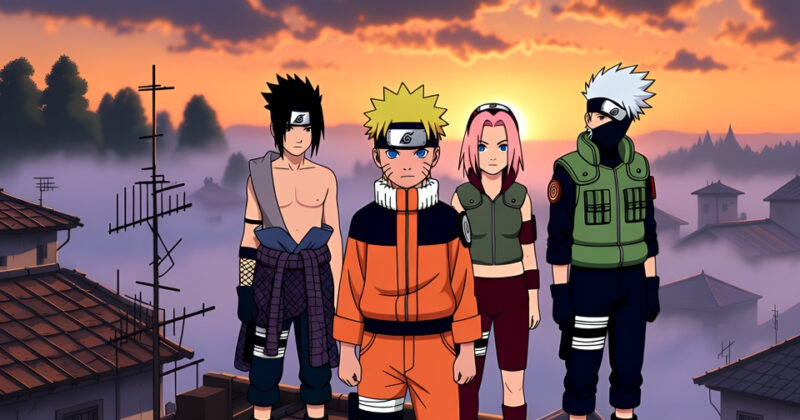
Naruto and the Temptation of Remakes: Why Classic Anime Magic Still Works in 2026
Why the Hype for a Naruto Remake Won’t Eclipse Its Original Spark
Anime fans are no strangers to the idea of remakes. From long-anticipated reboots of beloved franchises to shiny new digital makeovers, the industry has evolved rapidly—especially as series like Jujutsu Kaisen and Demon Slayer: Kimetsu no Yaiba set a new standard for what beautifully animated action looks like. But when it comes to Naruto, the question remains: Does this classic really need a remake, or are we risking losing the very soul that made it iconic?
The Digital Revolution in Anime—and Its Double-Edged Sword
When Naruto hit screens in the early 2000s, it carried the textured warmth of hand-drawn animation, blending traditional craft with the early digital tools of its era. Over time, the art shifted—crisper lines, refined palettes, and smoother animations became the norm. Today’s anime landscape, driven by technology and audience demands, has redefined visual expectations. The result? Sleek digital projects that look stunning in motion yet sometimes sacrifice a layer of character intimacy and nostalgic appeal.
This contrast is evident when we look at Boruto: Naruto Next Generations. Featuring modern digital techniques—thin lines, subtle colors, and bold contrast—Boruto’s style stands as a mile-marker for how far anime visuals have advanced. But as fans saw in the much-discussed time travel arc, dropping the original Naruto crew into this modern aesthetic feels, to many, like seeing old friends diminished by a digital filter. The camaraderie and humor that defined Team 7 in their earliest adventures don’t land with the same punch when surrounded by ultra-smooth backgrounds and softened edges.
‘Road to Naruto’: A Glimpse at a Modern Remix
The fervor for a Naruto remake peaked when Studio Pierrot celebrated the anime’s 20th anniversary with ‘Road to Naruto’: a visually stunning highlight reel that reanimated unforgettable scenes using today’s digital tools. The video, set to a medley of iconic title songs, sent waves through the fandom—it blended beautiful modern animation with nostalgia in a nearly 10-minute sprint through the entirety of Naruto’s journey. It also teased the announcement of new episodes, each set during those formative original Team 7 missions.
However, as dazzling as ‘Road to Naruto’ may have been, it offered a lesson only true veterans of anime history could appreciate: Modernity, however technically impressive, cannot always replicate the original’s essence. The most celebrated battles may pop off the screen more vividly, but up-close, character-driven moments begin to lose some of their original charm—an essential component for a series defined by its emotional undercurrents as much as its choreography.
When Familiar Faces Become Strangers
One of the stranger turns in Naruto’s extended universe came with Boruto’s time-travel story, where old-school characters met their future counterparts in full digital glory. In these episodes, the difference in art style wasn’t just technical—it was personal. Watching a 13-year-old Naruto rendered with the polished aesthetic of his adult, Hokage-era self felt oddly artificial. The youthful quirks of the original cast, so inherently tied to rougher, hand-drawn designs, felt muted and sanitized.
This tension matters because in anime, style isn’t just surface—it’s storytelling. The bold colors, expressive faces, and tactile imperfections of early 2000s animation aren’t just nostalgic—they define the heart and energy of the series. Even the best modern digital treatment can struggle to recapture that rawness without slipping into visual uncanny valley.
Studio Pierrot and the Four Mysterious New Episodes
Studio Pierrot’s promise to deliver four brand new Naruto episodes—a project postponed for quality reasons—continues to generate buzz and anxiety in equal measure. Announced as part of the anniversary festivities, these episodes revisit the classic Team 7 during untold adventures, fueling hope and skepticism about how the characters and their world will transition to full modern animation.
The studio’s decision to prioritize quality hints at the fine line they must walk. Fans await an experience that evokes nostalgia while pushing technical boundaries, but success is far from guaranteed. If the forthcoming episodes come off as visually jarring, it could reaffirm the growing belief that not every classic needs a digital rebirth.
Remake or Kai: What Truly Adds Value?
While studios chase the promise of bigger, shinier remakes, not every anime benefits equally from such a shift. Unlike still-ongoing titans like One Piece, Naruto is a closed story, and its broad appeal hinges on more than just spectacle. For those hungry for streamlined storytelling, a so-called Naruto Kai—a version eliminating filler and focusing on main canon arcs—might actually be the better path to modern relevance, benefitting from updated animation without erasing the original’s edge.
The risk is clear: too much modernization, and you lose the connection that made the show a global phenomenon. The key is not to chase trends blindly, but to honor what made Naruto different in the first place. For every fan who craves remakes, there are just as many who cherish the imperfections and old-school flair that define anime’s unique visual language.