Inside Fallout on Prime Video: The Crucial Creative Choice That Changed Everything

Prime Video’s Fallout: The Untold Story Behind the Series’ Risky Turn
When Prime Video’s Fallout was greenlit for adaptation, fan expectations shot sky high. The iconic universe, a post-apocalyptic playground filled with dark humor, haunting ruins, and bold characters, was suddenly in the hands of screen veterans Lisa Joy and Jonathan Nolan. But the path to the series everyone now praises almost took a dramatically different turn.
The Tempting Mirage of New Vegas
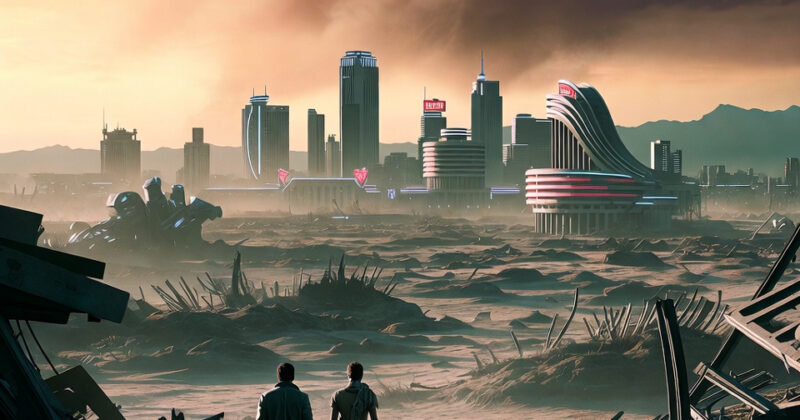
Early whispers in Hollywood circles spoke of the showrunners’ ambition to dive straight into the Mojave Wasteland, showcasing New Vegas—arguably the franchise’s most beloved and complex locale—from the very first season. For lifelong fans, the neon glow of New Vegas is synonymous with the core Fallout experience. Yet, as any dedicated player knows, this setting is a tapestry of interwoven storylines, volatile allegiances, and hard-hitting choices that make or break your journey.
Enter Todd Howard, legendary game director at Bethesda and executive producer of the adaptation. Sitting down with the creative team, Howard issued a bold, unfiltered warning: introducing New Vegas out of the gate could spell disaster, both for series newcomers and established fans. ‘Let’s establish the world first and lay the foundation fans and new viewers both need. Only then can we do justice to what New Vegas means,’ he advised.
Crafting a Fallout Universe for Every Viewer
Howard’s reasoning reflects a deep understanding of what makes game-to-TV adaptations succeed—or crash and burn. The Mojave storyline in the games hinges on complex power struggles and signature ending branches, which aren’t just fan service but the heart of Fallout’s narrative depth. Jumping directly into this chaos without first building a sense of context, he argued, risked alienating viewers unfamiliar with the lore’s intricate web.
This wasn’t just a minor pivot in scriptwriting. It changed the DNA of the TV series. Instead, Prime Video’s Fallout began in a devastated Los Angeles, introducing new and familiar faces—Ella Purnell’s Lucy MacLean and Aaron Moten’s Maximus—while methodically layering in the ethos and tension that define Fallout. The show took its time establishing post-war hierarchies, bunkers, Brotherhoods, and the volatile relationships that fans obsess over in every play session.
The Payoff: Why Waiting for New Vegas Was Genius
By holding off on New Vegas as a backdrop, the writers granted themselves space to breathe, foreshadow, and hook both seasoned Vault Dwellers and curious first-timers. When New Vegas did finally appear, it was with the proper gravitas—transformed from a simple location into an event, a narrative centerpiece that carried weight for every character involved. Howard, in interviews with Kinda Funny Games, later commended the creative team for navigating this ‘minefield’. He highlighted the series’ success as proof that sometimes, restraint is the boldest storytelling choice.
Fallout’s adaptation has since been hailed as a benchmark for video game adaptations, rivaling even shows like The Last of Us in reach and acclaim. The risk paid off: the audience size grew, engagement soared, and critical response turned what could have been a fan-exclusive series into a global streaming juggernaut.
Looking Ahead: What Fallout Fans Can Expect
With seasons one and two now available to stream and a third season already confirmed by Amazon, the show’s future looks bright—and risky in all the right ways. As more iconic locations and plotlines from the games are rumored to appear, the Prime Video adaptation stands as a prime example of how honoring the complexity of a game world can lead to television gold.
For newcomers, you’ll find in Fallout a world meticulously layered with danger, dark humor, and impossible choices. For returning fans, each season not only revives nostalgia but deepens your connection to one of gaming’s most enduring post-apocalyptic legends.