John Wayne’s Final Western Masterpieces: A Journey Through Cinema’s Grittiest Legends

John Wayne and the Last Golden Age of the Western
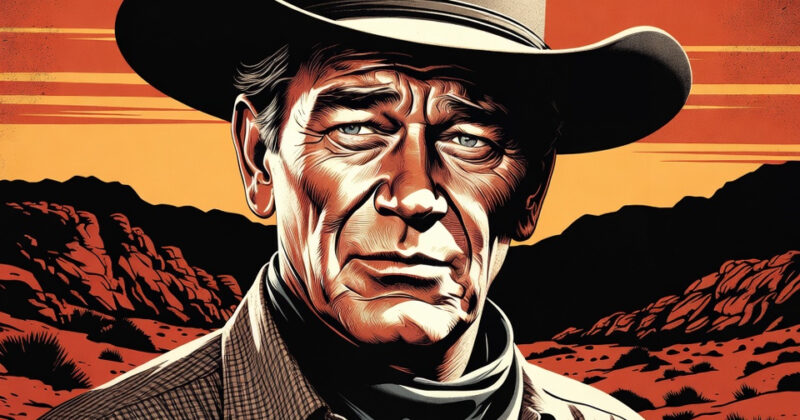
For nearly half a century, John Wayne was synonymous with the American western—an icon who became the very face of the genre. His last ten westerns capture not only his transformation as an actor, but also the shifting cultural landscape of western cinema itself. Even as trends moved toward grittier anti-heroes and post-modern pastiche, Wayne’s work retained a charisma and rugged simplicity that continued to attract both audiences and filmmakers.
The Train Robbers: A Modern Take on Old-School Outlaws
With The Train Robbers, we witness Wayne alongside Ann-Margret and Rod Taylor delivering a tale wrapped in classic tropes—a widow seeking to redeem her family’s honor and an aging veteran wrestling with the gray edges of justice. While the chemistry between Wayne and Margret is endearing, the film ultimately feels nostalgic, almost out of time. The Western was evolving, but here, Wayne’s presence anchors the film in a charm that feels deliberate, even if the plot can’t escape its own cliches.
Cahill U.S. Marshall: Grit Versus Fatherhood
Cahill U.S. Marshall explores more than shootouts and dusty trails; Wayne portrays a lawman confronting the cost of neglecting his own family when his sons land on the wrong side of the law. Despite a fresh angle on Old West masculinity, the film slips back into familiar patterns, saved only by glimpses of Wayne’s personal gravitas—proof that his acting wasn’t just bravado, but reflection.
The Undefeated: Facts, Legends, and Civil War Myths
The allure of The Undefeated lies in how it blends historical fantasy with credible character drama. Alongside Rock Hudson, Wayne finds himself navigating a script that twists post-Civil War history to suit cinematic needs. The result is a film with more ambition than punch, but it remains fascinating for anyone interested in how westerns mythologize America’s past, often blurring fact and fable for mythic effect.
Rio Lobo: The Last Ride with Howard Hawks
For cinephiles, Rio Lobo isn’t just another western—it marks the final collaboration between Howard Hawks and Wayne. The movie fuses elements of mystery with the classic revenge arc, and though not every piece fits seamlessly, Hawks’ signature touch is unmistakable. The dynamic between Wayne’s tenacity and Hawks’ narrative craftsmanship results in a movie that stands as both tribute and final farewell to this legendary duo’s joint legacy.
Chisum: A Pastiche of the Past
Chisum strips the genre to its basics: a rancher (Wayne) standing against corruption to defend his land, with historic figures like Billy the Kid peppering the script. Where sophistication is lacking, charm prevails. The film’s straightforward storytelling and Wayne’s paternal aura provide an accessible, if somewhat idealized, introduction to the western genre for new generations discovering these stories on streaming platforms today.
Rooster Cogburn: A Legendary Sequel with Heart
Rooster Cogburn is unique as the only sequel in Wayne’s immense career, and it shows another dimension of his character work. Teaming up with Katharine Hepburn, Wayne’s one-eyed lawman embarks on a fresh pursuit, balancing grit with humor and revealing an evolved dynamic since True Grit. While the film is lighter, it’s the chemistry and the playful banter with Hepburn that steals the spotlight, breathing new life into the icon’s late-career persona.
The Cowboys: Coming-of-Age On the Frontier
If there’s one hidden gem in Wayne’s late career, it’s The Cowboys. Left in the lurch by deserting ranch hands, his character trains a group of schoolboys for a treacherous cattle drive. The juxtaposition of innocence and harsh frontier realities drives a poignant story, and Bruce Dern’s villain is both memorable and menacing. With a score by John Williams and dialogue that lingers long after the credits roll, the film highlights Wayne’s range, proving he could still push the boundaries of what a western could be.
Big Jake: Family, Redemption, and Rugged Vengeance
There’s an undeniable raw energy in Big Jake. Surrounded by his real-life sons, Wayne’s character sets out on a mission that is as much about brutality as it is redemption. The implied violence brings an edge more in line with modern sensibilities, while the anti-hero streak shows Wayne’s willingness to embrace the complexity demanded by changing audiences. Fans of the genre will find nods and winks to classic western conventions, but there’s an undercurrent of innovation that hints at a new era in storytelling.
John Wayne’s final western films aren’t just a swan song, but a critical chapter in the evolution of Hollywood storytelling. Watching these movies in the age of streaming—where deep dives and critical context are just a click away—gives modern viewers newfound appreciation for the legends and grit that shaped the cinematic frontier.