Yellowstone: The Neo-Western Odyssey That Reshaped Modern TV Drama

Yellowstone: Reinventing the Western for a New Generation
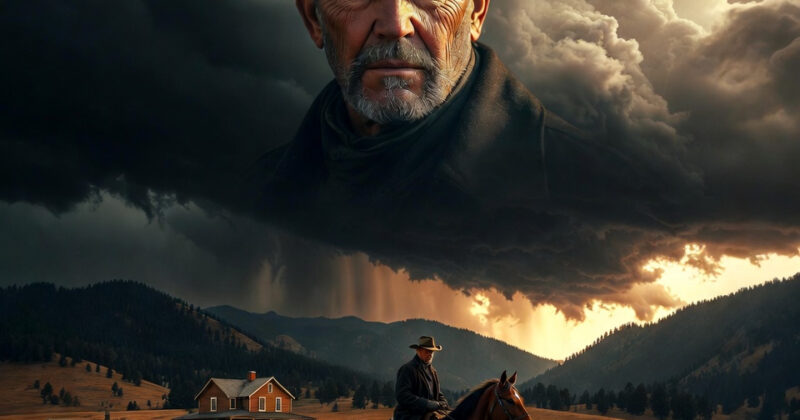
When Yellowstone burst onto the scene, television’s relationship with the Western was forever changed. Gone were the tidy, sepia-toned legends of outlaws and sheriffs; in their place arose a complex world that gleamed with Montana’s cinematic vistas and thrummed with the pulse of contemporary conflict. At its center stood John Dutton, embodied with stern charisma by Kevin Costner, fighting to defend not just land but a legacy vanishing in the currents of modernity.
A Genre Upended: Tradition Meets Turbulence
Westerns have long been staple myths of American TV, yet none fused the grit of frontier justice with twenty-first-century anxieties quite like Yellowstone. The show reimagined the cowboy not as an untouchable hero, but as a deeply flawed custodian caught in battles against land developers, political corruption, and the encroaching pressures of a rapidly evolving nation. Few characters are as indelible as John Dutton—a man guided by fierce loyalty to his ranch, balancing the edge of nobility and moral ambiguity. In many ways, Sheridan’s work set out to prove that the modern cowboy’s greatest adversary was time itself, painting a portrait of a disappearing breed clinging to identity in a shifting world.
The Sheridan Universe: Television’s Most Ambitious Saga
Behind this seismic shift in TV stood Taylor Sheridan, whose creative leap from acting into screenwriting quickly made him a household name. Building on his breakout Oscar-nominated script for Hell or High Water, Sheridan constructed a sprawling TV universe. Yellowstone became a launchpad for a host of cinematic series, from 1883 and 1923—epic prequels tracing Dutton ancestry—to imminent spin-offs like Marshals and The Dutton Ranch, threading the lives of John Dutton’s children deeper into Montana’s legacy.
Sheridan’s creative touch isn’t reserved just for Westerns. His television empire also encompasses shows such as Mayor of Kingstown and Tulsa King, all marked by themes of loyalty, power, and the costs of protecting home and heritage, attracting stars from Jeremy Renner to Sylvester Stallone.
Costner’s Exit and the Tumultuous Final Chapter
The beating heart of Yellowstone always thudded in Kevin Costner’s performance. But when production delays, creative disputes, and conflicts with Costner’s Horizon: An American Saga project led the actor to leave, the series faced its greatest challenge yet. Without John Dutton anchoring the story, the show’s climax faltered, lacking the intensity its legacy deserved. While Beth and Kayce Dutton struggled to fill the vacuum, Yellowstone’s identity waned, its urgency and familial stakes diluted by the absence of its patriarch.
The Enduring Impact of Yellowstone
Despite its controversial ending and backstage drama, Yellowstone remains an undeniable cultural force. It transcended critical hesitation, earning a devout, global fanbase hungry for more tales from Sheridan’s interconnected universe. The series stood apart from traditional “prestige TV,” embodying the working-class ethos and the realities of rural America, all set against the visually stunning, often brutal, landscape of the modern West.
As franchises like Breaking Bad and The Sopranos spun off movies and prequels, Yellowstone eclipsed them in scale, spawning an entire saga that continues to shape pop culture. Taylor Sheridan’s vision forged not just a TV series, but a dynamic franchise whose full influence remains unfolding—a mythos of the American West that now belongs as much to the 21st century as to the days of frontier legend.