The Pitt Season 2 Unveils Dr. Al-Hashimi’s Hidden Struggle: Trauma, PTSD, and the Heart of a Medical Drama

Unmasking Dr. Al-Hashimi: Layers Behind The Pitt’s Most Mysterious Doctor
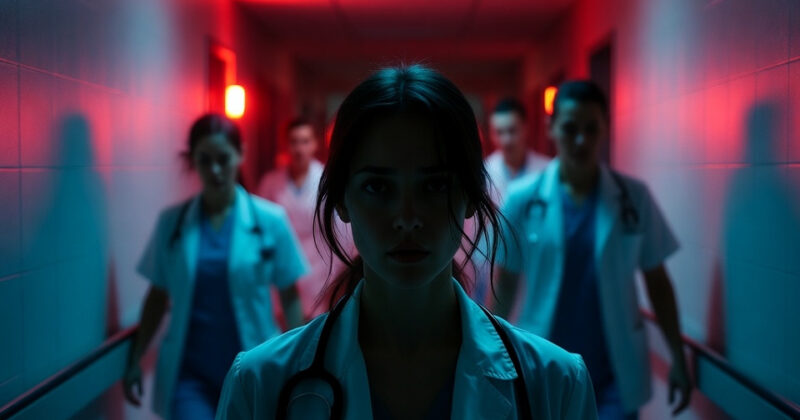
In its latest season, The Pitt pushes further into the lives of its trauma center staff, but few characters have captured attention quite like Dr. Al-Hashimi. Introduced as a new attending during Dr. Robby’s leave, her poised exterior has always hinted at deeper scars, and episode 7 finally pulls back the curtain.
War Stories in the Halls of Pittsburgh
For regular viewers, subtle clues from around the emergency ward have long suggested Dr. Al-Hashimi is wrestling with more than just the challenges of a busy hospital. Her professional façade momentarily cracks in the premiere, when the sight of an abandoned infant in the ER stirs something she struggles to suppress. The real breakthrough arrives midseason: a tense conversation with Dr. Abbott reveals Al-Hashimi’s harrowing past as a medic in Kabul—a setting infamous in both real-world headlines and modern TV for the psychological toll it exacts. The shared nod to ‘war stories’ hints at unspoken bonds between trauma doctors shaped by conflict zones, elevating the realism and emotional weight of the series.
The Subtle Portrait of PTSD on Screen
The latest episode weaves a nuanced portrait of post-traumatic stress disorder. After a particularly difficult disclosure to a patient’s parents regarding mental health, Al-Hashimi retreats to the nearest bathroom, trying—unsuccessfully—to schedule a neurological appointment. These intimate glimpses into her private battles illustrate that even the most competent professionals can be deeply wounded by past events, echoing real challenges faced by frontline clinicians worldwide.
The Pitt stands out among medical dramas for its refusal to sensationalize trauma, instead grounding character arcs in authentic psychological consequences. Al-Hashimi’s struggles parallel storylines from earlier seasons: Abbott’s experience serving during the war and Dana’s ongoing recovery from her own assault. These interconnected histories build a mosaic of trauma that is both personal and systemic, highlighting how PTSD is not limited to one-off cases but a recurring theme linking multiple cast members.
The Emotional DNA of The Pitt
From the stress-filled operating rooms to the isolated moments of vulnerability, the series demonstrates how trauma reverberates through every character. Even Robby’s continuing grief after losing his mentor during the pandemic speaks to the show’s commitment to exploring trauma’s long shadow in healthcare professions.
As new episodes land on Max every Thursday, viewers are invited to engage with The Pitt not just as a medical procedural, but as a sensitive, multi-layered exploration of the cost—and quiet heroism—of those who persist in spaces marked by crisis and care. With Dr. Al-Hashimi’s unraveling storyline, the show gains a new dimension, situating PTSD as a narrative thread that goes beyond any single diagnosis or event.
Main Cast and Real-World Impact
Frontlined by actors like Noah Wyle and Sepideh Moafi, the cast brings lived-in authenticity to their roles. The ensemble’s collective talent reinforces the impression that these stories matter, not only as entertainment but as reflections of real healthcare resilience.