Why ‘Catspaw’ Missed the Mark: Star Trek’s Uncanny Foray into Horror

The Enterprise Faces Its Strangest Challenge Yet
Star Trek: The Original Series has always marched to the beat of its own drum, dazzling viewers with utopian visions, philosophical dilemmas, and the bold exploration of the cosmos. But for all its innovation, the show isn’t immune to bizarre detours. Among the wildest is ‘Catspaw,’ boldly billed as Star Trek’s first attempt at a horror episode. Instead of a chilling triumph, it went down as one of the oddest—and least beloved—adventures ever faced by Kirk and crew.
‘Catspaw’: Where Witches, Castles, and Kitschy Scares Collide
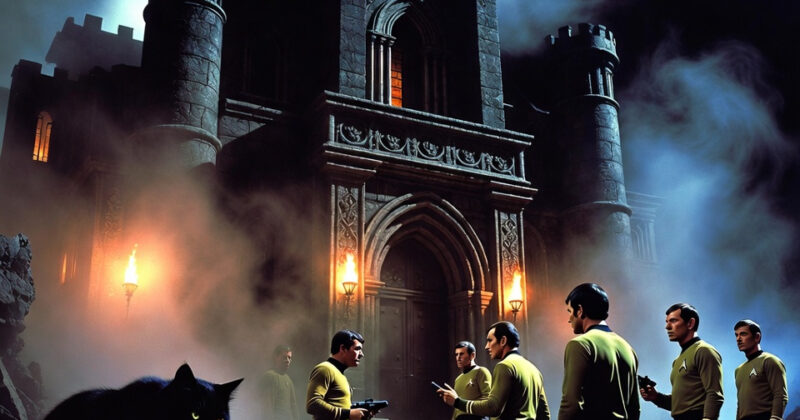
Picture this: Captain Kirk, Spock, and McCoy, usually in control of every situation, suddenly find themselves captives on a barren alien world that feels more like a haunted mansion than a Starfleet mission. Chained to walls, menaced by witches, and stalked by an ominous black cat, the episode leans hard into Halloween trappings, even peppering in talk of trick-or-treating. Its purpose as a special timed to Halloween is obvious and direct—sometimes a little too on-the-nose even by ’60s sci-fi standards.
The script, crafted by respected horror author Robert Bloch, should have been a recipe for suspense. Yet, something’s lost in translation. While the costumes and set design revel in gothic tropes, the plot gets bogged down by long, repetitive dialogue exchanges and stilted pacing that drains the episode’s energy. The atmosphere—lurking fog, shifting shadows—is more fun than frightening, bordering on camp rather than true terror.
Trekking Beyond Reason: Breaking Internal Logic
What truly set ‘Catspaw’ apart, for better or worse, was its departure from the internal rules that defined classic Star Trek storytelling. The scientific curiosity and resourcefulness of the Enterprise crew are replaced by clichéd victimhood, with Kirk falling for obvious traps and Spock sidelined by logical inconsistencies. The episode appears to favor spectacle over science fiction, prioritizing fleeting scares but sacrificing cohesive world-building.
Adding a twist for long-time fans: this was the first episode filmed with Walter Koenig as Pavel Chekov—though not his onscreen debut. His presence is notable, yet even his character feels shoehorned into an adventure designed more for decoration than meaningful development.
The Redemption of Star Trek Horror: ‘Wolf in the Fold’
‘Catspaw’ might have left fans scratching their heads, but Star Trek didn’t abandon the horror genre. Later in the same season, the series returned to the shadows with ‘Wolf in the Fold’—another script by Robert Bloch. This time, it’s a murder mystery with echoes of Victorian terror, casting suspicion on beloved engineer Scotty and weaving in chilling nods to Jack the Ripper. The difference is striking: logical continuity is restored, the plot is tightly woven, and the horror doesn’t clash with the series’ ideals but complements them. ‘Wolf in the Fold’ proves that Star Trek can do horror—just not by leaning solely on cheap Halloween tricks.
Legacy and Aftershocks: Star Trek’s Genre Experiments
While ‘Catspaw’ remains a peculiar relic, it’s also a testament to the show’s willingness to take risks, mixing genres and testing the boundaries of what a science fiction series could do on network television. This legacy continues throughout the franchise, with later entries like Star Trek: Deep Space Nine and Star Trek: Discovery also venturing into suspenseful, eerie territory—but with far more successful results.
For fans and newcomers alike, ‘Catspaw’ offers a fascinating glimpse into a formative period when television was still defining how genre stories could intersect. Whether you revisit it for the camp factor or for a study in creative ambition, it’s a reminder that not every experiment is a masterpiece—but every misfire lays the groundwork for future triumphs in cosmic storytelling.