Why ‘Scorpion’s Revenge’ Is the Definitive Mortal Kombat Movie Experience

Mortal Kombat On Screen: Beyond Nostalgia and Box Office
For decades, the Mortal Kombat franchise has dominated both the video game and film universes. Fans remember the legendary 1995 film for its bombastic theme song, delightfully over-the-top action, and an unmistakable sense of camp that made it immortal in pop culture. Its sequel, infamous for all the wrong reasons, struggled to live up to its predecessor’s chaotic energy. After years of waiting, a live-action reboot brought renewed excitement, yet a crucial piece of the essence was still missing for longtime fans.
Animated Excellence: The Unseen Power of Scorpion’s Revenge
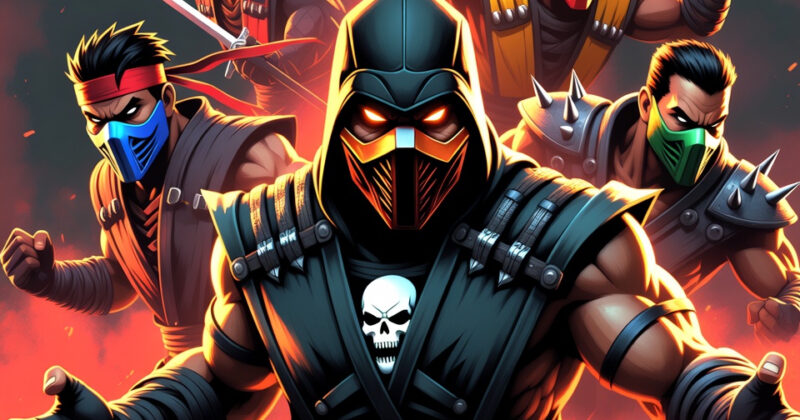
The real game-changer, however, arrived not in cinemas, but through animation: Mortal Kombat Legends: Scorpion’s Revenge. Overlooked by mainstream audiences on launch, the film has since become a fan-favorite within the community. Its secret lies in two parallel storylines—on one hand, the tragic and fierce vengeance of Scorpion, resurrected after the devastation of his family and clan. On the other, the classic Mortal Kombat tournament, where fan-cherished heroes Johnny Cage, Sonya Blade, and Liu Kang face legendary foes in the ultimate test of skill and will.
Critics lauded Scorpion’s Revenge for staying true to the spirit of the video games, honoring the lore while amplifying the action with visually stunning animation. With voice talents like Joel McHale and Jennifer Carpenter, the emotional weight and sharp wit elevate the film above its live-action counterparts. The hand-drawn style unleashes the unfiltered violence and signature fatalities the series is loved for—no censorship, no budget constraints, only pure Mortal Kombat intensity.
What Makes Animation Work for Mortal Kombat?
If Mortal Kombat ever needed a medium to capture its brutality and flair without compromise, it found its answer in animation. Without the shackles of live-action CGI budgets, animators fully embraced the game’s iconic fight choreography, over-the-top finishers, and supernatural environments. Each battle pulses with energy, as warriors are rendered with expressive detail never before possible on-screen.
The Mortal Kombat Legends animated films have carved out a reputation for delivering exactly what the audience craves. From the gory spectacle to emotionally charged arcs, these projects rarely miss the mark. The subsequent entries—like Battle of the Realms (focusing on Liu Kang), Snow Blind (spotlighting Kenshi and Sub-Zero), and the ‘80s-infused prequel Cage Match—all expand the universe while pushing each film into new stylistic territories. This multifaceted approach keeps every installment feeling fresh, relevant, and daring, something rarely seen in video game adaptations.
Immersive Storytelling and Fan Service, Done Right
Beyond blood and brutality, Scorpion’s Revenge succeeds by weaving classic fan-favorite elements with innovation. The Mortal Kombat tournament finally gets the dynamic, unrestrained visuals it always deserved—a far cry from the limited effects of early live-action renditions. Characters deliver catchphrases and execute finishing moves straight from the games, but with enough narrative depth to satisfy both newcomers and lore-obsessed veterans.
In a landscape where most video game movies either abandon their roots or play it overly safe, Scorpion’s Revenge stands out by giving fans exactly what they crave: visceral action, authentic storytelling, and a visual style that bridges nostalgia and modern sensibilities. For those seeking the truest adaptation and the ultimate Mortal Kombat journey, it’s time to revisit (or discover) this animated masterpiece.