Arcane: How Netflix’s Steampunk Masterpiece Outclassed Its Video Game Origins

Arcane: A Landmark in Game-to-Screen Adaptation
Netflix has broken the mold with Arcane, a visually striking, narratively complex animation inspired by the world of League of Legends. Where game adaptations have long struggled to impress either die-hard fans or new audiences, Arcane achieves something rare: it not only pays homage to its source, but fearlessly deepens and transforms its legacy.
Stunning Character Evolution and Reinvented Lore
One of the most remarkable feats Arcane pulls off is the transformation of familiar game characters into fully realized, multidimensional figures. Jayce, once painted as a static, arrogant archetype in the game, is reimagined as a vulnerable idealist wrestling with the political and ethical complexity of his inventions. Viktor morphs from a basic ‘mad scientist’ trope into one of animation’s most tragic figures, replete with conflicted motives and genuine pathos. Each pivotal character, from Vi to Jinx, benefits from this layered approach, making their journeys feel both personal and epic in scale.
The Brutal Realism Behind Piltover and Zaun
Arcane excels at world-building. The series explores the deep social divide between wealthy, progressive Piltover and the oppressed undercity of Zaun. This isn’t just window-dressing—class struggle and political intrigue become inextricable from character motivations and episode climaxes, reflecting conflicts familiar from classics like Blade Runner and Fullmetal Alchemist. Unlike other adaptations, Arcane’s narrative stands on its own, making the lore both accessible for newcomers and rewarding for seasoned League of Legends veterans.
New Villains and Political Complexity
Arcane doesn’t shy away from expanding the game’s universe with wholly new personalities. Silco, an original creation for the series, functions as a unifying and compelling antagonist whose influence shapes pivotal arcs across both cities. His presence injects substantial political drama, giving the show an edge reminiscent of prestige animated storytelling seen in productions like Avatar: The Last Airbender or Castlevania.
A Balanced Experience for All Audiences
The show is engineered tactfully to appeal to both fans of the game and viewers that have never launched League of Legends. Its meticulous animation, emotional storytelling, and breakneck pacing deliver a rare combination: a work that honors its origins while easily standing on its own as a modern animated classic.
The Creative Choice Behind the Series’ Run
Although Arcane enjoys a global fanbase and critical acclaim, its run on Netflix ends at two seasons by design, not due to cancellation. Showrunners Christian Linke and Alex Yee made a deliberate decision to protect the integrity of the story. Unlike many streaming hits that overextend their premises, Arcane’s narrative stays tightly focused, ensuring emotionally satisfying arcs for Vi, Jinx, Jayce, Viktor, and other key figures. This creative discipline avoids the pitfalls of narrative fatigue, allowing the show’s finale to resonate with meaningful closure rather than franchise bloat.
What Makes Arcane a Steampunk Triumph?
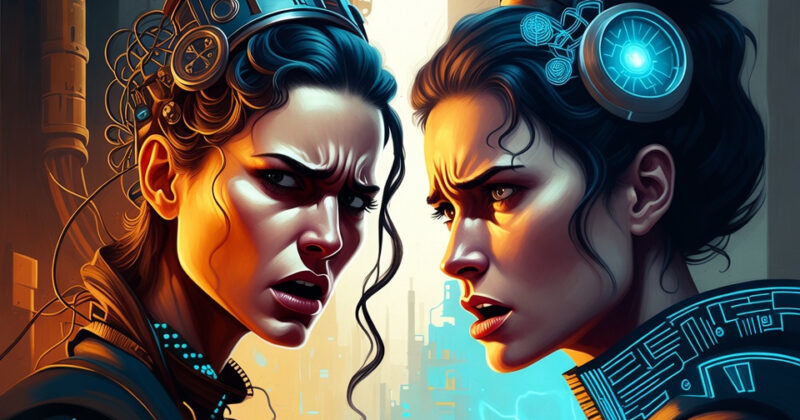
From its breathtaking art direction—melding steampunk tech with intricate, painterly visuals—to its stellar voice performances by Hailee Steinfeld, Ella Purnell, and others, Arcane is both gorgeous and profound. The synergy between animation studio Fortiche and Riot Games delivers sequences reminiscent of oil paintings in motion, each frame humming with kinetic energy and detail. It’s a series that transcends the traditional limits of video game adaptations, setting a new benchmark for what is possible in genre storytelling. Those seeking a high-quality, emotionally charged animated drama will find plenty to revisit, again and again, on Netflix.