Gen V: Prime Video’s Bold Sci-Fi Spinoff That Redefines The Superhero Genre

Why Gen V Breaks the Spinoff Mold
When it comes to television spinoffs, few manage to step out of the shadow of their high-profile predecessors. Gen V stands as a rare outlier, not only matching the intensity and wit of The Boys but, in several ways, outclassing it. Rather than simply duplicate the formula, Gen V establishes a fierce independence, diving into the complexities of adolescent superpowers in a brutal, coming-of-age context that resonates with both long-time fans and newcomers. The series weaves clever easter eggs for The Boys diehards while delivering entirely self-contained drama, ensuring that it’s more than a side story—it’s a pillar of this expanding universe.
Fresh Faces, New Struggles: Godolkin University’s Supes
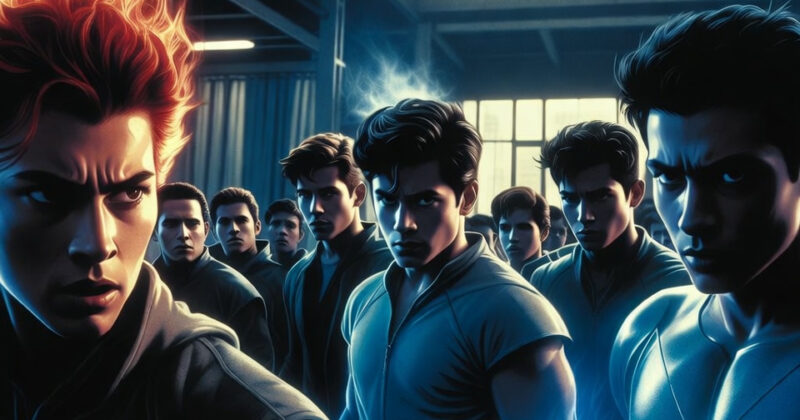
The secret to Gen V’s immediate success lies in its unapologetic focus on the next generation of “supes.” Set within the halls and training grounds of Godolkin University, the series zeroes in on young superhumans grappling with all-too-relatable issues—rivalries, insecurities, and the burden of superheroic expectations. Each character’s unique power is a mirror to their inner turmoil, skillfully blurring the line between the fantastical and the deeply personal. Unlike the political chess game of its parent show, Gen V feels raw and grounded, channeling the angst and pressure of youth against a backdrop of power and corruption.
A Standalone Force: Gen V’s Narrative Strengths
Season 1 hit the ground running with a roster of protagonists that quickly became more quotable—and arguably more charismatic—than the iconic Seven. Powers are not just set pieces but storytelling devices, with standout performances leveraging mind-bending twists; take Cate’s mind manipulation, which propels the narrative into unpredictable realms and rewards attentive viewing. The climactic Homelander cameo is handled with a narrative finesse, elevating stakes for what’s next instead of serving as shallow fan service.
Escalation and Innovation in Season 2
The arrival of a new antagonist, brought to life by Hamish Linklater, raises the bar for Season 2, casting a dark shadow over the already sinister halls of Godolkin University. The showrunners double down on the corruption festering within the system meant to train future heroes, delivering some of the franchise’s most gripping confrontations to date. The result is a second chapter that not only cements Gen V’s status as a top-tier sci-fi drama but manages to outshine its parent series, setting up narrative dominos that have fandom speculating furiously about what’s to come.
The Future of Gen V: Integration and Uncertainty
While the future of Gen V as an independent series is up in the air, with no official renewal for a third season, one thing is clear: its impact on the broader franchise is undeniable. Its core characters will merge into the narrative of The Boys’ anticipated final season, hinting at dynamic crossovers and unresolved arcs that keep anticipation high. For viewers invested in the evolution of superhero television, the interplay between these shows is primed to be a milestone event in streaming culture.
Gen V: A Must-Watch for Modern Superhero Fans
Boasting provocative storytelling, a stellar cast including Jaz Sinclair, Lizze Broadway, and Shelley Conn, and direction by top talents like Nelson Cragg and Clare Kilner, Gen V quickly secured its place as both a critical darling and a cult favorite. Expect boundary-pushing storylines, sharp humor, and subversive takes on power—all available for streaming exclusively on Prime Video. For comprehensive character studies, lore dives, and behind-the-scenes insights, fans should keep an eye on the show’s official newsletter and upcoming press from the creators. The Gen V phenomenon isn’t just a chapter in the The Boys saga; it’s a fresh benchmark for what superhero spinoffs can achieve in the digital era.