Why ‘Dark’ Remains Netflix’s Sci-Fi Masterpiece: Near-Perfect Episodes and Time Travel Storytelling

Dark: Netflix’s Sci-Fi Series That Redefined Television Storytelling
Delivering a high-concept narrative that holds together through every twist and turn is a feat most streaming series fail to accomplish. Netflix’s ‘Dark’, however, stands apart as a singular achievement in the science fiction landscape, impressing both critics and viewers with its tight plotting, expertly layered timelines, and breathtaking production values. Over the course of its three-season arc, almost every episode ranks as a near-perfect entry in the genre—an increasingly rare accomplishment for long-form TV storytelling.
Flawless Narrative Engineering in a Time Travel Puzzle
The essence of Dark’s enduring prestige lies in its meticulously crafted time travel structure. Where most attempts at temporal manipulation falter under plot holes or erratic pacing, creators Baran bo Odar and Jantje Friese plotted their series with a precision that rendered even the most intricate loops inevitable and clear in retrospect. Each episode unfolds like a chess move, not simply setting up future payoffs, but transforming every subplot and character moment into essential pieces of a much grander puzzle. Viewers who embark on the binge-worthy journey often find themselves rewatching prior seasons only to appreciate the depth and intention behind minor details that reverberate through past and future storylines alike.
Casting That Transcends Time
One of Dark’s most praised elements is its remarkable casting. The challenge of believable doppelgängers—characters portrayed at vastly different ages and moments in the timeline—is monumental, yet Dark’s ensemble cast delivers with striking continuity. Every version of each character seamlessly blends mannerism, vocal tone, and physical likeness to create an illusion of true temporal progression. This careful attention fosters immediate immersion, making temporal jumps feel like logical narrative steps rather than jarring transitions. Standout performances from Louis Hofmann, Lisa Vicari, and Andreas Pietschmann anchor the ensemble, their arcs as emotionally potent as they are technically impressive.
The Atmospheric Heart of Winden
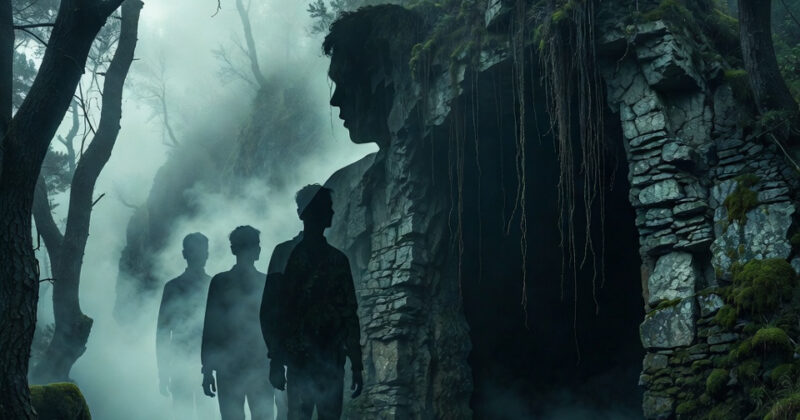
Dark is not just a story about time travel; it’s a masterclass in atmosphere. The small town of Winden becomes an iconic character in its own right, shrouded in fog, perpetual twilight, and an ominous sense of fate. The visual storytelling—cinematography steeped in desaturated blues and dense forest greens—deepens the show’s mystery. Composer Ben Frost’s haunting score adds another dimension, weaving tension and melancholy into every frame. Each episode maintains a distinct tonal consistency that never drops, even as the plot grows ever more labyrinthine.
Raising the Bar for the Genre
When Dark concluded, it left an indelible mark on science fiction television. Since its final season, few, if any, time travel narratives have come close to matching the show’s intellectual ambition and emotional depth. While other series dabble in temporal paradoxes and alternate realities, they often fall short of weaving these elements into a meaningful, emotionally charged tapestry. Dark’s exploration of fate, grief, and the search for meaning grounds its cosmic loops in a fundamentally human conflict, setting it leagues apart from competitors obsessed with complexity for its own sake.
A Human Core Beneath the Sci-Fi Complexity
Beyond the demanding intellectual puzzles and intricate timelines, Dark is ultimately a show about people—and the inescapable bonds of family, loss, and hope. The emotional stakes are as high as the ontological ones. Overarching philosophical questions—Are our lives predetermined? Can we break cycles of suffering?—resonate all the more because they are rooted in the heartbreak and dilemmas of relatable, deeply flawed characters. This is what gives Dark unmatched rewatch value: each return visit to Winden reveals more about its characters’ sorrows and triumphs within the grand machinery of time itself.
Why Dark Is Still Unmatched on Netflix
Three seasons. No unnecessary filler episodes. Every detail, from casting to musical cues, reinforcing the thematic weight and narrative logic. Dark hasn’t just influenced the trajectory of Netflix’s original programming—it has set an industry standard for what sci-fi television can and should strive for. While the streaming landscape teems with new releases and high-budget projects, few dare to take on the level of intricacy or emotional intelligence that Dark mastered. For those willing to follow each thread through its tangled maze, the show remains a modern classic—impossible to replicate and just as compelling with every rewatch.