Black Mirror: How ‘Common People’ Dissects Technology, Subscription Doom & Human Suffering

‘Common People’: Black Mirror’s Gritty Reflection of Our Subscription-Driven Lives
Black Mirror has made its mark as a cultural touchstone for anyone attempting to parse the complex intersection of technology, society, and darkly plausible futures. But there are few chapters as merciless and resonant as the season 7 opener, ‘Common People’. The episode is a gut punch from start to finish, offering a chilling look at what happens when healthcare, technology, and capitalism collide—and asking just how much we’d pay to keep someone we love alive in an unforgiving world.
The Chemistry & Heartbreak Behind Mike and Amanda
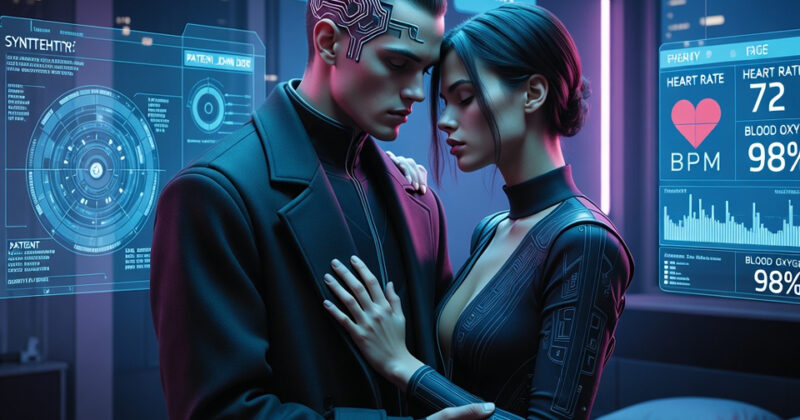
From the outset, ‘Common People’ introduces us to a deeply relatable couple: welder Mike Waters (Chris O’Dowd) and schoolteacher Amanda (Rashida Jones). Their ordinary romance anchors the viewer. But the routine is shattered when Amanda, in a shocking twist, collapses and is diagnosed with a brain tumor—one that can only be treated with cutting-edge, synthetic brain tissue. This is where Black Mirror does what it does best: it turns hope into a twisted satire of modern medical tech.
The synthetic brain tissue, offered by a faceless tech conglomerate, is supposed to restore Amanda’s life. At first, normalcy seems possible. But in classic Black Mirror fashion, the horror isn’t supernatural—it’s bureaucratic and brutally real. Amanda’s new brain is functional, but only within a strict radius defined by her upgrade plan. Even worse, she becomes an organic advertising platform, involuntarily reciting company marketing at the most intimate moments. The message is clear: in a world driven by endless monetization, even our thoughts are up for rent.
The Endless Cost of Survival: Subscription Hell
The couple faces a bleak new reality: if they want more brain function, it costs more money. If they want the ads to stop, they have to upgrade again. Behind every paywall is just another, even steeper paywall—a nightmare anyone familiar with today’s app subscriptions or streaming services knows all too well. This is the episode’s most cutting metaphor for modern life: essential services become luxuries you have to rent, not own.
Mike’s desperation escalates quickly. To afford Amanda’s ever-mounting medical fees and tech upgrades, he turns to crowdfunding on an exploitative livestreaming platform—subjecting himself to humiliation for fleeting digital tips. The show lays bare the brutal reality of modern content creation, where financial survival is tied to public voyeurism, and dignity evaporates in the search for viral attention. The sharp critiques of platforms chasing engagement at any cost echo real-world concerns with today’s short-form video apps and streaming hustle culture.
Subscription Models as the Villain: More Reality Than Fiction
While the dystopian technology at the center of ‘Common People’ is still speculative, the pain of subscription fatigue is not. Most apps and digital services offer functionality behind layered subscriptions, and their creep into healthcare is already underway—from insurance plans to paid patient portals. The episode’s vision of stratified care, where basic functionality is barely enough to get by, mirrors wide-reaching discussions about healthcare access and the ethics of pay-to-play medicine.
The psychological toll on users is depicted with unflinching honesty; Amanda’s personhood is reduced to a strict algorithmic protocol, while Mike’s tenacity crumbles under unending microtransactions. The episode captures a new kind of digital burnout: the emotional cost of endless, escalating ‘upgrades’—a sentiment that resonates whether you’re managing your subscriptions or struggling with the gamification of day-to-day life.
From Tech Satire to Social Commentary: Black Mirror’s Lasting Relevance
‘Common People’ stands out as an example of Black Mirror’s power to make the future arrive faster than we’d like. Its take on commodified healthcare, corporate surveillance, and emotional manipulation feels less like sci-fi and more like an urgent warning for our current trajectory. The compulsive monetization of existence—a theme at the root of today’s streaming wars and app economies—finds a devastatingly human face through Mike and Amanda’s ordeal.
Whether you’re a fan of tech thrillers, speculative fiction, or sharp social critique, ‘Common People’ brings home the visceral impact of what happens when business logic dictates the most intimate corners of our lives. The episode’s raw honesty cements its place as not only one of Black Mirror’s most memorable—but also as a work viewers and creators alike should revisit to question how far we’re willing to commodify the fundamentals of being alive.