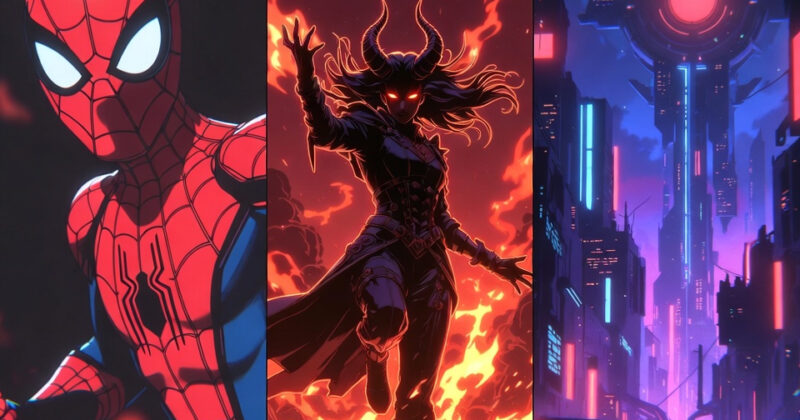
How Sony Pictures Animation Revolutionized the Animated Film Industry

Sony Pictures Animation: The Unstoppable Force in Modern Animation
For decades, animated cinema was dominated by giants like Walt Disney Animation Studios and Pixar, each setting the gold standard with their legacy of timeless classics and technical innovation. DreamWorks and Studio Ghibli, on their own terms, contributed iconic franchises and visionary storytelling that have left lasting marks. But the emergence of Sony Pictures Animation has redrawn the landscape in ways no one could have predicted, carving a unique niche through daring visuals, pop culture savvy, and narrative innovation.
Superheroes Reimagined: The Spider-Verse Phenomenon
While Sony had already found its footing with popular hits such as Hotel Transylvania and Cloudy with a Chance of Meatballs, it was the release of Spider-Man: Into the Spider-Verse that signaled a seismic shift. This film didn’t just lift the bar for superhero adaptations—it demolished it. Instantly lauded for its kinetic comic book aesthetic, unpredictable storyline, genre-bending soundtrack, and pitch-perfect voice performances, Spider-Verse fundamentally rewired how animation could interact with iconic characters and multiverse storytelling. For animation enthusiasts and Marvel fans alike, the film was a revelation, earning near-universal acclaim (a remarkable 97% on Rotten Tomatoes) and capturing the Academy Award for Best Animated Feature.
The follow-up, Spider-Man: Across the Spider-Verse, elevated the saga with even more ambitious visuals and character arcs, making the Spider-Verse franchise not just the standout among animated superhero films, but, arguably, the crown jewel of superhero cinema overall. The anticipation surrounding future entries, particularly Spider-Man: Beyond the Spider-Verse, has reached a fever pitch—a testament to Sony’s alchemy in blending pop artistry with subversive storytelling.
KPop Demon Hunters: A Streaming & Cultural Juggernaut
No conversation about Sony’s recent dominance is complete without spotlighting KPop Demon Hunters. In a record-smashing run, this visually vibrant and musically infectious film climbed to the top of Netflix’s all-time charts, remaining entrenched in the global Top 10 for more than 250 consecutive days. Beyond its box office and streaming prowess, the film’s soundtrack propelled its influence further, topping music charts and sparking viral dance trends—a true pop culture event.
The KPop Demon Hunters franchise is rapidly expanding: with a sequel on the horizon, a released short film, stage adaptation discussions, new merchandise lines, and a potential television spin-off. Sony is deftly leveraging every platform, signaling a new era where animated properties merge seamlessly with music, social media, and merchandising in an interconnected global market.
The Technical Evolution: From Mixed Reviews to Masterpieces
In the studio’s formative years, Sony Pictures Animation produced solid, commercially successful titles such as Open Season, Surf’s Up, and Arthur Christmas. The Hotel Transylvania franchise brought in blockbuster returns but generally hovered in the mid-range with critics. The Emoji Movie—often cited as a misstep—showed Sony could misjudge the zeitgeist.
This pattern has been utterly reversed in the last few years. Since the Spider-Verse breakthrough, nearly every title Sony releases garners critical praise. The Angry Birds Movie 2 stands out as a strong video game adaptation, and The Mitchells vs. The Machines (available on Netflix) is widely considered among the decade’s best animated films. The recent original, GOAT, continues the studio’s winning streak. Consistency and creative risk-taking have become Sony’s calling card, setting the pace for rivals and causing fans and industry insiders alike to recalibrate expectations.
Hidden Gems You Shouldn’t Miss
While blockbusters such as the Spider-Verse films and KPop Demon Hunters draw headlines, Sony Pictures Animation’s vault boasts several titles that slipped under the mainstream radar but deserve recognition. Wish Dragon, a heartfelt, visually enchanting journey (set for its own sequel soon), and Vivo, which features the musical genius of Lin-Manuel Miranda, exemplify the studio’s creative breadth. Both scored highly with critics, posting 71% and 86% respectively on Rotten Tomatoes. These films highlight Sony’s commitment to diversity in animation style, global storytelling, and musical innovation.
The future looks dazzling for Sony Pictures Animation. Highly anticipated sequels to Spider-Man: Across the Spider-Verse, Wish Dragon, and KPop Demon Hunters are generating industry-wide buzz, and new projects like the mysterious Buds are fueling speculation. With a track record that now rivals—and often surpasses—the industry’s most storied players, Sony is poised not just as a contender, but as animation’s new standard bearer for the current era.