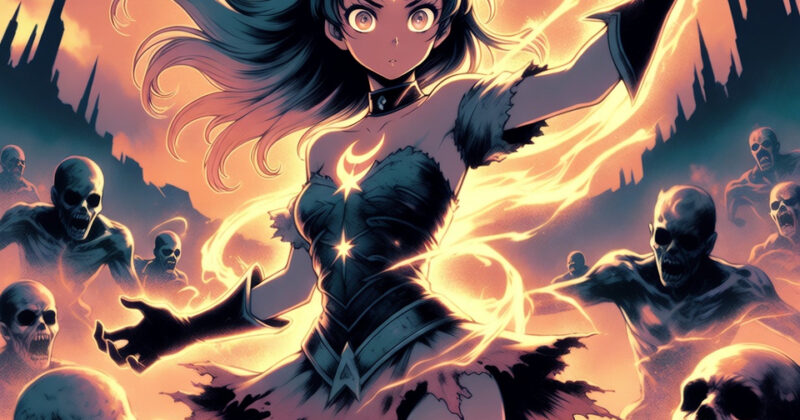
Magical Girl Dandelion: The Bold Manga Blending Sailor Moon Charm with The Walking Dead Terror
Magical Girl Dandelion: Where Shōjo Sparkle Meets Horror Intrigue
Few new manga releases can rival the audacious fusion at the heart of Magical Girl Dandelion. Imagine the effervescent magic of classic franchises like Sailor Moon clashing—brilliantly—with the existential dread of The Walking Dead. What emerges is a fresh, genre-bending series that refuses to play by established rules and challenges fans of both magical girl and horror fiction.
The Premise: Transformation, Trauma, and the Tragedy Beneath
At first glance, Magical Girl Dandelion feels like a love letter to the genre’s roots. Young girls receive powers and costumes, transforming to battle malevolent entities threatening society. But this isn’t just another villain-of-the-week adventure. Its protagonist, Tanpopo Ohanami, quickly discovers the Fiends she is destined to battle are no mere monsters—they’re tragic figures, former humans who lost themselves to a mysterious curse. This early twist roots the series’ conflict deep in psychological tension: can you save the world if it means destroying what remains of people who once had hopes and families?
This morbid revelation echoes a central shock from The Walking Dead, where ‘the enemy’ is not some distant evil but your neighbors and loved ones. For Tanpopo, every fight tests not only her strength, but her empathy and conscience. Watching her struggle with these consequences brings a rare emotional complexity to the magical girl mold.
The Art: Shōjo Aesthetics Infused with Cinematic Shadows
Beyond its high-concept plot, Magical Girl Dandelion stands out visually. Kaeru Mizuho plays with grayscale artwork to create cinematic contrasts: delicate, soft-lined magical transformations meet shadowy, horror-tinged antagonists. Panel layout becomes a tool for storytelling, punctuating quieter character moments with sudden, jarring horror reminiscent of the suspense found in Western zombie fiction and psychological thrillers. Expect to see everything from demonic companions with ambiguous motives to creatures whose designs borrow from folklore and literary classics.
Breakthrough in Shōjo: Genre Fluidity and Emotional Depth
While shōjo manga often gets typecast as light-hearted fare for teens, it’s no stranger to tackling weightier ideas. Magical Girl Dandelion joins a wave of innovative titles—think Puella Magi Madoka Magica and Kill la Kill—that recast familiar tropes with existential and emotional stakes. These stories don’t just entertain, they interrogate what it means to fight for justice when good and evil have become almost indistinguishable. For Dandelion, embracing this tension means confronting a society that makes heroes out of executioners and demands maturity from its youngest defenders.
Cultural References and Continued Legacy
The DNA of Sailor Moon is threaded throughout, with nods to its iconic transformation sequences and enduring global appeal. Since its 1990s debut, the franchise has become a symbol of both empowerment and nostalgia, spanning anime, movies, games, and a rebooted series (Sailor Moon Crystal). Meanwhile, The Walking Dead’s influence looms in the manga’s willingness to show that no one is ever fully safe and that loss is never just a plot device. This blend brings a narrative edge rarely seen in traditional magical girl stories.
Why Magical Girl Dandelion Deserves Your Attention
Despite the daunting task of pleasing fans of two dramatically different genres, Magical Girl Dandelion succeeds through smart writing, striking visuals, and a protagonist whose journey feels urgently relevant. The decision to explore what happens when heroes see monsters as fellow victims—not just enemies—marks a radical shift in storytelling priorities. Whether you’re a longtime anime aficionado, a horror devotee, or simply craving something experimental and beautiful, this manga’s upcoming print release under VIZ Media’s Shojo Beat imprint is impossible to ignore.
For more on Magical Girl Dandelion and other innovative manga, readers can look forward to thoughtful coverage and art analysis across the shojo and horror landscape. As pop culture keeps bending genres and breaking boundaries, titles like this remind us why manga remains one of the most daring spaces in modern storytelling.