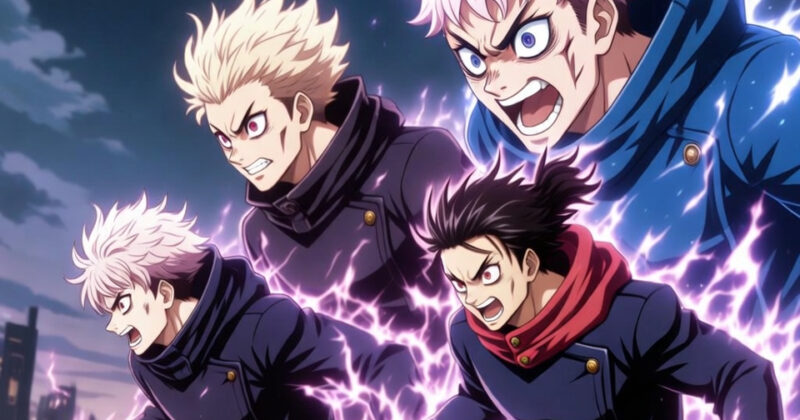
Why Jujutsu Kaisen’s Sequel Outshines Naruto & Dragon Ball’s Legacy

The Pinnacle of Modern Shōnen: Why Jujutsu Kaisen Stands Above the Legends
If there’s one discussion that ignites any anime fan’s passion, it’s comparing the titans of shōnen: Dragon Ball, Naruto, and the modern phenomenon, Jujutsu Kaisen. All three have shaped the cultural landscape of anime, yet only one has managed to elevate itself with a sequel that truly honors—and even surpasses—its roots. Enter Jujutsu Kaisen Modulo, a follow-up that not only delivers on its promise but exposes the critical missteps of its legendary predecessors.
Jujutsu Kaisen’s Formula: High Stakes, Real Consequences
To understand why Jujutsu Kaisen Modulo is resonating so powerfully, it helps to examine the evolution of consequences in shōnen storytelling. While Dragon Ball and Naruto are revered for their epic arcs and unforgettable characters, one recurring criticism is their approach to consequence—especially death. Dragon Ball’s revolving-door policy on resurrection and Naruto’s tendency to sidestep true character loss have, over time, diluted the emotional impact of «the end.»
Contrast that with Jujutsu Kaisen, where the threat is not only palpable but often permanent. Major losses stick; the brutality of its conflict isn’t just for show, but an elemental part of its appeal. Audiences connect with Yuji Itadori and his allies because each battle could be their last, making every victory bittersweet and every loss profound.
Sequels That Struggle: Boruto and Dragon Ball Super’s Uphill Battles
Long-running franchises are always pressured to deliver, but both Boruto and Dragon Ball Super stumbled out of the gate. Boruto: Naruto Next Generations struggled to escape the immense shadow of its parent series, bogged down by pacing issues and convoluted plot points. While recent manga chapters have introduced more engaging elements, the series took hundreds of chapters to find its footing—a hurdle not all fans were willing to leap.
Dragon Ball Super faced similar criticism. Despite major arcs like the Tournament of Power and the slick animation of recent film entries, its TV run kicked off with inconsistent visuals and a plot that lacked the immediate hook that made early Dragon Ball Z so iconic. For a series that launched an entire genre, these shaky starts reveal the inherent risk of coasting on nostalgia without pushing creative boundaries.
Jujutsu Kaisen Modulo: A Blueprint for the Future of Shōnen
From its very first chapters, Jujutsu Kaisen Modulo distinguished itself. There were no «filler» introductions or slow burns. Instead, the sequel wastes no time plunging readers and (soon, likely viewers) into gripping, high-stakes action populated by a cast of vibrant new faces. There is an electrifying sense that anything can happen—and usually does. If brought to the screen, many expect Modulo to set a new standard for how beloved series should evolve, learning from the trials and tribulations of its iconic forerunners.
Legacy and Influence: Three Pillars of the Genre
Each franchise paved a unique path to mainstream culture. Dragon Ball catalyzed the global anime boom, transforming the story of Son Goku’s quest for the Dragon Balls into a worldwide phenomenon, and continues to release new content such as the film Dragon Ball Super: Super Hero. Naruto captivated audiences with the underdog story of a young ninja with a demon fox sealed inside him—carrying themes of endurance, self-discovery, and legacy into multimedia adaptations and next-generation tales through Boruto.
Jujutsu Kaisen, authored by Gege Akutami, leans into the darker side of shōnen. From Jujutsu Kaisen 0 to the mainline series, it offers a relentless pace, complex character motivations, and an unflinching exploration of sacrifice. Yuji Itadori’s journey through curses and loss embodies the heart of contemporary anime: emotionally charged battles, nuanced villains, and constant evolution.
Looking Ahead: The Evolution of Shōnen Continues
As Jujutsu Kaisen Modulo continues to build its world, it raises the bar for future shōnen sequels. Unlike the missteps of Boruto and Dragon Ball Super, Modulo doesn’t rely on nostalgia alone but refines what made its origins special: every chapter matters, every character faces real risk, and the story is unafraid to challenge its audience. For longtime fans and new viewers alike, this is what keeps the genre fresh and exciting—a testament to how anime continues to reinvent itself while respecting its legendary past.