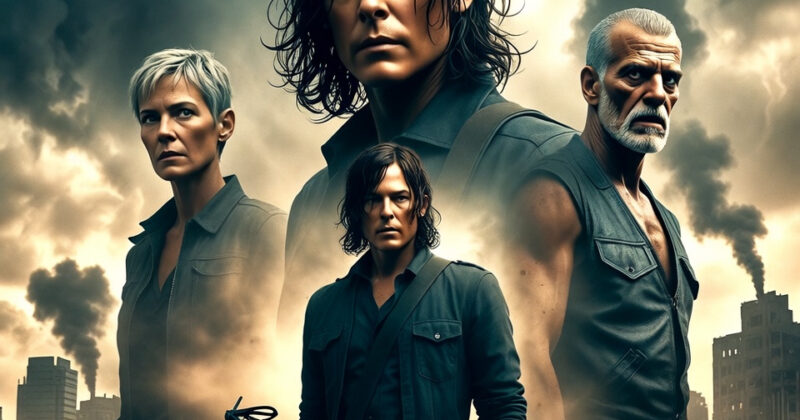
The Walking Dead Finally Faces Its Longevity Dilemma in 2026: Franchise Spinoffs Find Their Endgame

The Walking Dead: A Franchise With Undead Stamina
When The Walking Dead first shambled onto television screens, it almost instantly rewrote what we expected from post-apocalyptic drama. The blend of intense survival, harrowing character arcs, and a willingness to shock audiences made it television’s new water cooler obsession, rivaling pop culture giants like Breaking Bad and Game of Thrones. For many, Andrew Lincoln’s Rick Grimes became the battered, iconic hero at the center of AMC’s flagship universe—a persona whose departures and returns deeply shaped the fandom’s journey.
Why The Walking Dead Couldn’t Let Go
Despite the dominance early on, the biggest threat to the franchise wasn’t the walkers—it was knowing when to stop. The series battled with overstaying its welcome, pushing beyond narrative peaks and losing momentum as major players exited. Many aficionados argue that the main show had neatly tied up most story arcs by its eighth season. The loss of central characters like Carl and later Rick Grimes made it challenging to forge a compelling future. Subsequent seasons struggled to recapture the original emotional pull, even as beloved survivors like Daryl, Carol, and Negan carried the narrative torch.
A Franchise Continuously Searching for Closure
When The Walking Dead reached its eleventh season finale, many expected a curtain call worthy of its pop culture stature. Instead, ‘Rest in Peace’ delivered mixed feelings. Communities like the Commonwealth found peace, allies rebuilt—yet everything felt curiously unresolved. Daryl’s exit, setting up a solo journey with little real closure, and brief cameos from Rick and Michonne just teased yet more spinoff potential. For long-time viewers, it became clear: the finale wasn’t an ending, just a fork in the road for diehards and casuals alike. Rather than laying the saga to rest, it became a corridor to new content, as if the zombie saga itself refused to die.
The Age of Spinoffs—and Their Imminent Conclusions
Even as the main show wound down, The Walking Dead universe ballooned with spinoffs. Yet in 2026, a refreshing trend is emerging: actual endings. Fear the Walking Dead finally wrapped up after years of detours from its original vision. The concise World Beyond limited itself to two seasons, avoiding overextension. The much-hyped The Ones Who Live delivered six tight episodes and bowed out as a miniseries, proving these expansions could be finite.
Most notably, Daryl Dixon’s adventure is officially confirmed to end with its fourth season. Meanwhile, Dead City advances to its third—but for the first time in years, most of the franchise’s narrative threads are being tied up rather than endlessly unraveled. While rumors swirl about future installments, notably Tales of the Walking Dead, the current slate is finally being cleared rather than perpetually revived.
Can The Walking Dead Ever Truly End?
The tension between finality and renewal is etched into The Walking Dead’s DNA. Franchise overseers like Scott Gimple continue to tease untapped narrative terrain, especially with the possibility of global settings. Even AMC’s leadership suggests that the universe could theoretically shamble along for another fifteen years—a statement confirming the brand’s value and its capacity for constant rebirth (or resurrection, fittingly). The much-rumored crossover event could serve as a spiritual twelfth season, blurring the idea of an endpoint altogether. Until then, fans remain in an ongoing dance with closure.
This new wave of endings doesn’t just offer respite for loyal followers hoping for real narrative payoff; it signals an evolution in franchise management, balancing content demand with the creative need for stories to conclude. Whether these resolutions are honored long-term remains to be seen—but for the first time in its legacy, The Walking Dead is flirting with the concept of finality, and television’s undead saga might just rest a little easier.