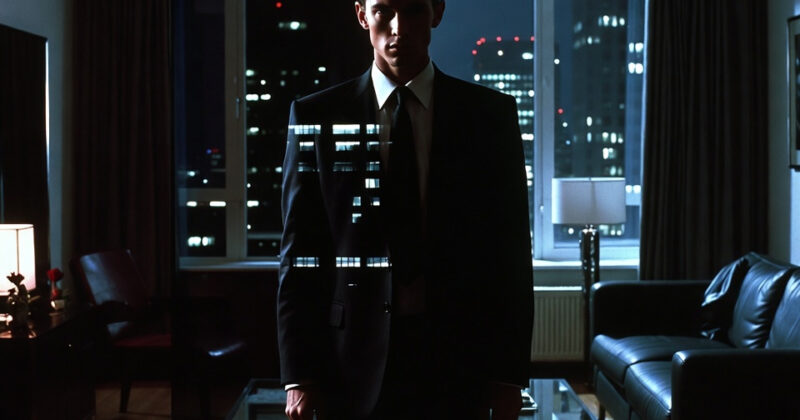
The Chilling Relevance of ‘American Psycho’ in Our Hyper-Ambitious Era
When ‘American Psycho’ first hit the big screen, it shocked and divided audiences with its icy portrayal of excess, narcissism, and moral emptiness. Decades later, the film—and the Bret Easton Ellis novel that inspired it—feels startlingly current, almost as if it was predicting Instagram grids and viral hustle-bro mantras. At the heart of this cinematic cultural touchstone stands Patrick Bateman, a Wall Street banker who floats through life with impeccable suits, the perfect fiancée, and a hollow, insatiable need to outdo everyone around him. Played by Christian Bale with unblinking intensity, Bateman is the ultimate status-obsessed anti-hero—a man whose identity is so paper-thin that his business card color nearly drives him mad.
Patrick Bateman: The Ultimate Symbol of Endless Competition
What makes Patrick Bateman such a lasting icon? The answer lies in his chilling emptiness. In one of the film’s most memorable voiceovers, Bateman flatly admits that, despite appearances, nothing real exists beneath his mask. He is always looking for the next thing to conquer: a more exclusive restaurant, a more impressive social circle, a more unique fitness routine—yet nothing satisfies. Bateman doesn’t just want to win; he needs to annihilate the competition, even if he doesn’t truly understand why. This savage competitiveness is now echoed endlessly in today’s digital age, where every moment is measured in likes, followers, paychecks, and the grind of out-hustling everyone else.
Mirror to a Generational Obsession: Hustle Culture and Social Media
In an era dominated by hustle culture, ‘American Psycho’ resonates with almost uncomfortable accuracy. The film’s sharp satire of soulless ambition has mutated into a cultural critique of our own time, with social media amplifying the same anxious need for validation Bateman embodies. Influencers, thought leaders, and finance «gurus» churn out endless content promising that success is just one more grind, hack, or course away. Platforms like Instagram, TikTok, and X (formerly Twitter) are flooded with users selling a vision of life optimized for wealth, beauty, and popularity, but offering little genuine fulfillment. The glazed-over, curated perfectionism that ‘American Psycho’ skewered now lurks in every algorithm-driven slideshow and «rise and grind» tweet.
From Boardrooms to Feeds: The Evolution of Modern Materialism
The film’s obsession with physical status symbols—business cards, designer suits, exclusive clubs—has evolved. Now, it’s about NFT collections, phone upgrades, followers, and curated travel experiences. The pressure to keep up is relentless, and so is the emptiness beneath it. The relentless demand for «more»—more productivity, more money, more recognition—manifests as a never-ending chase, eerily similar to Bateman’s own compulsion to destroy and one-up. What was once lampooned as ’80s consumerism is now a digital rat race, taking place in the palm of our hands and across our screens twenty-four-seven.
The Cinematic Legacy: Why We Still Can’t Look Away
More than just a satirical slasher, ‘American Psycho’ remains a cultural touchstone—referenced by everyone from fashion designers to meme creators. Its visual style, with its pristine apartments and chillingly sterile offices, continues to influence everything from prestige streaming dramas to pop culture blockbusters. Bale’s nuanced performance, blending charm and menace, elevated Bateman to a pop icon, inspiring countless reinterpretations in everything from cosplay to music videos. The film’s commentary on the blurred line between personal identity and social image feels eerily prescient, especially in a world where personal brands can rise—and unravel—in real time.
In the end, ‘American Psycho’ endures not because it’s simply shocking, but because it understands something uncomfortably true about who we are and what we value. Its lasting impact is a testament to how cultural obsessions can morph but never truly disappear, emerging again and again in every new iteration of ambition, competition, and digital emptiness.