La Brea: The Ambitious Series That Dared to Follow in Lost’s Footsteps
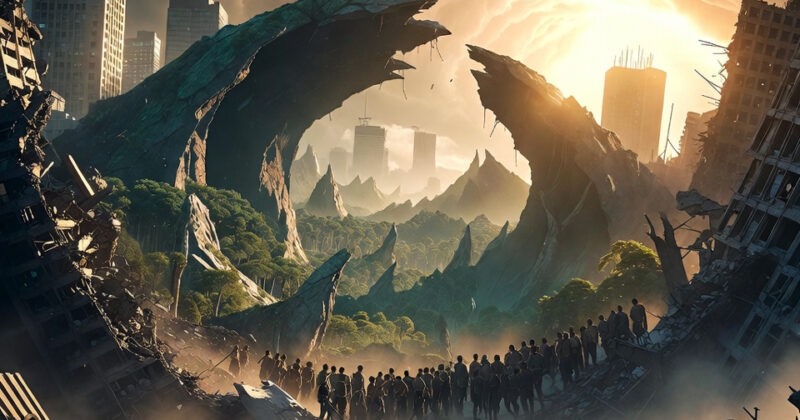
When La Brea premiered, it ignited curiosity with its wild premise—an ordinary Los Angeles day ruptured by a colossal sinkhole that throws strangers into a dangerous prehistoric landscape. Network television hadn’t seen a bold attempt at mystery-driven sci-fi like this in years, evoking instant comparisons to iconic series like Lost. The heyday of network TV genre shows seemed to shimmer back into life for a moment, and audiences tuned in droves for its opening episodes.
The Power and Pitfalls of a Big Mystery Hook
To understand La Brea’s ambition, it’s crucial to revisit what made Lost so resonant. Lost’s pilot delivered a masterclass in suspense and ensemble storytelling, plunging survivors into a scenario thick with secrets and emotional baggage. La Brea followed this blueprint, introducing its ensemble after the sinkhole catastrophe, but quickly proved less willing to embrace the full absurdity and myth-building that sustained its predecessor. Instead of weaving layered mysteries and sparking endless debates, the series frequently sidestepped its more outlandish elements, missing an opportunity to give audiences the intricate puzzles that have become a hallmark of genre storytelling.
Viewer Numbers: A Rollercoaster Ride
La Brea’s debut season was a relative hit by today’s network standards, averaging nearly 5 million viewers weekly. However, in its second year, viewership plummeted before stabilizing slightly by the season’s end. This sharp drop signals not just franchise fatigue but the immense challenge of meeting sky-high expectations set by legendary shows. Unlike the streaming world’s niche hits, La Brea’s rollercoaster ratings underscored the unforgiving nature of network prime time, where only truly captivating narratives survive more than a handful of seasons.
The Last Network Sci-Fi Stand… For Now
After La Brea wrapped its run, commercial broadcasters noticeably backed away from risky sci-fi on their biggest stages. The show’s cancellation, quickly followed by the end of the Quantum Leap reboot, marked a pause in original, high-concept genre bets at NBC and its rivals. The upcoming TV cycle is notably light on new, untested sci-fi stories, suggesting that the network system is opting for the safety of proven franchises and episodic procedurals over daring leaps into the unknown.
Why La Brea Is a Streaming Curiosity in a Franchise Era
What makes La Brea a must-watch—even with its uneven storytelling and premature swan song—is the very thing that doomed it: audacity. In an environment where nostalgia reigns, and reboots or franchise spin-offs dominate, La Brea was a rare original IP. That willingness to launch a new world with no built-in fanbase is, in itself, a notable milestone for modern network TV. If you’re a fan of genre shows, curious about the evolution of televised science fiction, or just searching for something that breaks from today’s formulaic streaming fare, this show holds unique appeal.
La Brea’s short, turbulent journey offers a powerful lesson to creators and networks alike. Risks are necessary, even when the outcome is uncertain. For audiences longing for a return of audacious, unpredictable storytelling on prime time, La Brea remains a fascinating—and at times, thrilling—entry in the pantheon of recent network sci-fi. This makes it unmissable for anyone chasing the unpredictable spark that only true televised originality can deliver.