True Blood: The Art of Fantasy Adaptation That Set HBO Apart

True Blood: HBO’s Masterclass in Fantasy Adaptation
When HBO ventured into the world of supernatural television, few could have predicted the cultural milestone that True Blood would become. Emerging at a time when the vampire genre was almost oversaturated, this show managed to carve out a space entirely its own—outshining its contemporaries through a unique blend of horror, romance, southern gothic, and social commentary.
Why True Blood Transcended Genre Fatigue
What separates True Blood from the swarm of other supernatural dramas like The Vampire Diaries is its fearless commitment to complexity. Beyond the blood-soaked feuds between vampires, werewolves, and witches, the series never loses sight of its human core: Sookie Stackhouse. Portrayed by Anna Paquin, Sookie’s grounded perspective acts as both an anchor and a lens, transforming outlandish mythology into something visceral and relatable. Sookie’s nuanced characterization—equal parts delicate and determined—is the heartbeat that grounds an otherwise unhinged universe.
From Book to Screen: True Blood’s Inspired Choices
Rooted in Charlaine Harris’ beloved Southern Vampire Mysteries, True Blood adapts 13 novels into seven seasons. On paper, these novels, charmingly introspective and peppered with social intrigue, wouldn’t seem the likeliest fit for HBO’s notoriously bold style. Alan Ball and the show’s creative team solved this by shining a spotlight on what made Harris’ work special: Sookie’s Southern sensibility, dry wit, and fearless individualism.
Instead of shoehorning every subplot from the novels into the series, the showrunners made bold cuts and corrections. Some book characters—like JB du Rone—never make it to the TV incarnation, while others are dramatically minimized. The infamous werepanther storyline, for example, is condensed, maintaining momentum and focus for viewers. Meanwhile, supporting roles are expanded: Jessica Hamby, Bill’s tragic protégé, grows far beyond her brief literary roots. Lafayette Reynolds, who meets an early ending in the books, becomes a series mainstay, his charisma and emotional journey offering some of the show’s most dynamic moments.
The Unique Tone That Defined an Era
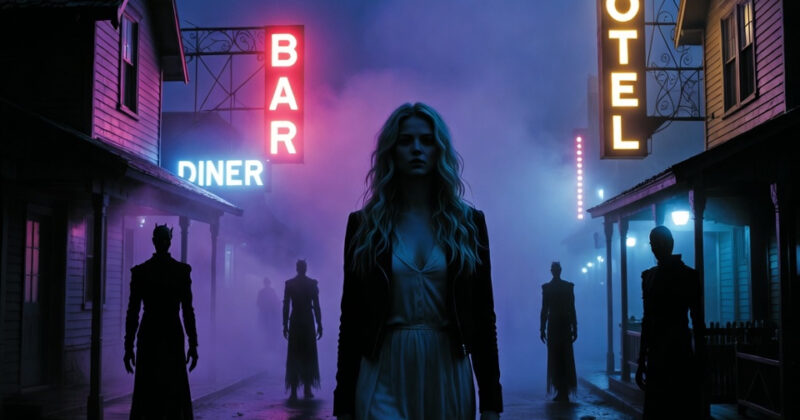
Visually, True Blood is a triumph. The signature dark, moody palette, punctuated by crimson splashes, perfectly aligns with the narrative and amplifies the HBO brand’s reputation for mixing art and edge. But what truly sets the show apart is its ability to balance brute violence with wry character-driven levity. Scenes shift effortlessly from nightmarish creature confrontations to moments of mundane, bittersweet normalcy—Sookie scrubbing blood out of her dress, worrying about bills, or navigating awkward dinner conversations in Bon Temps, Louisiana.
The Real Magic: Social Commentary Beneath the Supernatural
It would be easy to dismiss True Blood as just another genre series, but it’s more than vampires and magic. The show tackles prejudice, addiction, and the clash between old Southern traditions and modern identity politics, all while remaining wildly entertaining. The monsters—vampires, shifters, fairies—are metaphors for the outsider experience, while Sookie’s journey is a celebration of openness and resilience.
Bolstered by a stellar ensemble cast (including Stephen Moyer as Bill Compton and Alexander Skarsgård as Eric Northman), True Blood never loses sight of its origins, even as it stretches the boundaries of adult fantasy on television. This is adaptation at its smartest—thoughtful, irreverent, and always aware that at the heart of every monster story is something unmistakably human.
Explore More from the Enigmatic World of True Blood
True Blood fans and first-timers alike can revisit the full series online at platforms like HBO Max, where every episode still pulses with the same sultry, enigmatic energy that made it a must-watch. For those craving deeper insight, Charlaine Harris’ Southern Vampire Mysteries remain a fascinating dive into the literary origins of one of TV’s boldest adaptations.