Arnold Schwarzenegger Redefines Himself in Aftermath: A Deep Dive into His Most Unexpected Role

Arnold Schwarzenegger Breaks the Mold with Aftermath
For decades, Arnold Schwarzenegger has dominated both action blockbusters and lovable comedies, carving out a unique reputation in Hollywood. When you think of him, images of relentless cyborgs in The Terminator, jungle hunters in Predator, or even the hilarious undercover teachers of Kindergarten Cop come to mind. His domination of these genres made him a pop culture titan, with every new film promising either muscle-fueled vengeance or deadpan comedic gold.
The Premise: Not Your Usual Action Flick
At first glance, Aftermath sells itself as another action-laden Schwarzenegger vehicle: the marketing leans on fiery visuals and the familiar intensity fans expect. However, viewers are swiftly thrown into a very different narrative. Instead of explosions and witty one-liners, we’re delivered a brooding drama inspired by the devastating real-world collision over Überlingen. Arnold portrays Roman Melnyk, a man whose entire world collapses in an instant—a transformation from action hero to a profoundly broken, grieving father.
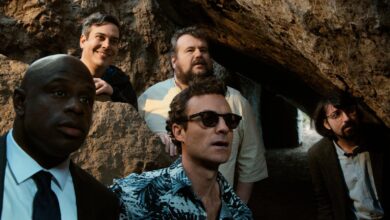
Parallel to Roman’s story runs the life of Jacob, played by Scoot McNairy, the air traffic controller haunted by the same event. As the story unfolds, their paths reflect two perspectives on trauma, weaving a narrative fueled by emotional confrontation rather than physical retribution.
The Unlikely Face of Grief and Guilt
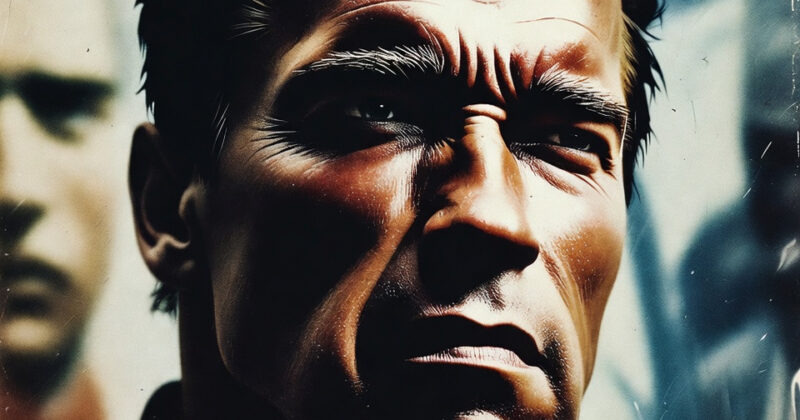
In Aftermath, Schwarzenegger is stripped of his archetypal power. There’s no quick fix, no enemy to outmuscle—just overwhelming loss and the slow agony of personal reckoning. This role could easily have gone to actors like Jake Gyllenhaal or Aaron Eckhart, who are no strangers to complex, drama-driven performances. Yet it is Schwarzenegger who fills the screen, almost unrecognizable in his restraint and vulnerability. Whereas the phrase ‘I’ll be back’ once signaled hope or menace, here, Roman’s silence is his most powerful tool. The film leans heavily on close-ups and quiet sequences, where every flicker of pain on Schwarzenegger’s face tells a more harrowing story than any explosive set piece could.
Artistry Over Action
What distinguishes Aftermath is not just the change in genre, but the way it reimagines Schwarzenegger’s legendary screen presence. The script is sparse, and physicality takes a back seat to emotion; long-held glares and stoic expressions become windows into a haunted soul. The film’s direction moves with steady, deliberate tension—every minute emphasizing the human fallout of large-scale tragedy.
A Road Less Traveled for an Icon
Aftermath isn’t about cathartic vengeance or triumphant returns. It’s about the suffocating everyday reality that follows disaster, the guilt that can consume survivors, and the rare, painful opportunities for closure. This level of introspection and emotional depth is rarely seen in Schwarzenegger’s filmography, but this very contrast is what makes Aftermath a compelling outlier. For anyone conditioned to expect invincible heroes or slapstick comedy, this film reveals a new side of an actor who has always thrived on transformation.
Why Aftermath Stands Apart in Arnold’s Legacy
Aftermath serves as a reminder that icons are not limited by their most famous roles. As the entertainment world cycles through reboots, sequels, and nostalgia-driven projects, this film dares to imagine Schwarzenegger in a raw, human light. It’s an invitation for both faithful fans and average viewers to reconsider what they know about cinematic legends—proving that even the most familiar faces can surprise us in powerful, unexpected ways.