Ghost in the Shell: Stand Alone Complex – The Undisputed Cyberpunk Benchmark for Series and Streaming

The Rise of a New Cyberpunk Standard
When Ghost in the Shell: Stand Alone Complex debuted, it instantly reshaped animated sci-fi. Rather than relying on neon-drenched dystopian clichés, the series wrapped viewers in a textured, plausible future. The universe was built with bureaucracies, political machinations, and unsettling realism, showing a world transformed by cyberization—where the human brain directly interfaces with the internet and society faces new existential challenges.
Section 9: The Beating Heart of an Era
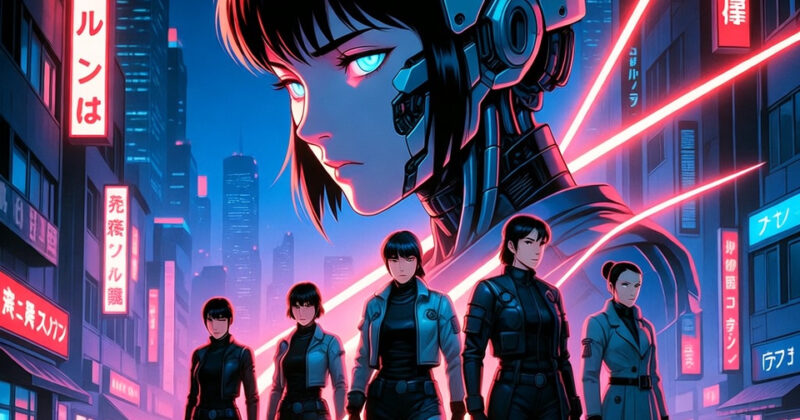
The show follows Major Motoko Kusanagi, a fully cybernetic government operative, and her elite team in Public Security Section 9. Their investigations oscillate between high-stakes political conspiracies and tightly written procedural cases. The narrative structure splits between ‘Stand Alone’ episodes—self-contained mysteries—and ‘Complex’ arcs weaving serialized drama. This dual format lets the series operate as both a cerebral thriller and intense character study, always maintaining narrative momentum with psychological standoffs and tactical action.
Narrative Innovation and Technical Brilliance
Animation fans immediately noted the standout visual richness and sophisticated writing. The soundtrack, crafted by the celebrated Yoko Kanno, set a standard for cinematic immersion in episodic TV. But what truly sets Stand Alone Complex apart is its willingness to engage with deeply political stories. From government overreach to the impact of digital manipulation, every arc feels prophetic in the wake of real-life anxieties about surveillance, media echo chambers, and identity theft.
Connecting to a Cyberpunk Legacy
Many discover Stand Alone Complex expecting a sequel to the legendary 1995 anime film, yet this series exists in a parallel narrative. The philosophical introspection of Mamoru Oshii’s original film, famous for its influence on The Matrix and other Hollywood works, finds new life here but expands into broader political commentary. Where the movie is haunting and meditative, the series is dynamic—Section 9 emerges as a believable team, confronting the realities of technological power in society.
The Laughing Man and the Age of Digital Obsession
Among the show’s iconic storylines, none is as eerily prescient as the Laughing Man arc. Here, a rogue hacker’s symbol mutates into a viral meme, sparking copycat crimes and exploring the viral power of digital culture—long before meme culture took over social networks globally. The narrative dives into how people rally behind symbols, often without understanding the underlying cause, presaging issues still debated in today’s digital age.
Refugees, Terrorism, and Societal Fracture
Season 2, known as 2nd GIG, pushes the envelope further. Japan simmers with tensions as refugees become political tools and terrorist cells manipulate social unrest. The Individual Eleven storyline perfectly blends cyberpunk paranoia with classic political suspense, echoing contemporary issues around nationalism, media spin, and the plight of the displaced. Long expositions debate economic reforms and AI rights, yet the tension never drops—every conversation crackles with relevance and urgency.
Continued Evolution: SAC_2045 on Streaming Platforms
The franchise found fresh life with Ghost in the Shell: SAC_2045, now streaming on platforms like Netflix. This CG-animated sequel pitches Kusanagi and her team into a world rocked by economic collapse and a new wave of ‘post-humans’. While the shift from classic 2D animation to CGI drew mixed reactions from purists, the political sharpness and thematic nerve of the series continued. The narrative confronts automation, digital warfare, and the commodification of conflict, mirroring the anxieties of a tech-dominated age.
Why Stand Alone Complex Remains Essential Viewing
What makes Stand Alone Complex an indispensable part of the cyberpunk canon isn’t just its technical ambition or stunning art direction. It’s the trust in the viewer’s intelligence—the way it shows how technology amplifies societal rot rather than fixes it. Institutions are depicted with painstaking detail, their failures shaping every outcome. In an entertainment landscape flooded with dystopian flash, this show stands as a monument to storytelling depth and genre-defining worldbuilding.
For Those Who Want More
Deeper dives are available for fans who want to peel back the layers of the Ghost in the Shell world. Engaged viewers can find extensive analysis, curated episode watchlists, and thoughtful essays that unpack not just the series, but cyberpunk’s continued evolution across media. For many, Stand Alone Complex isn’t just a series—it’s the lens through which the future is understood, and it remains, without question, the gold standard for cyberpunk television in the streaming era.