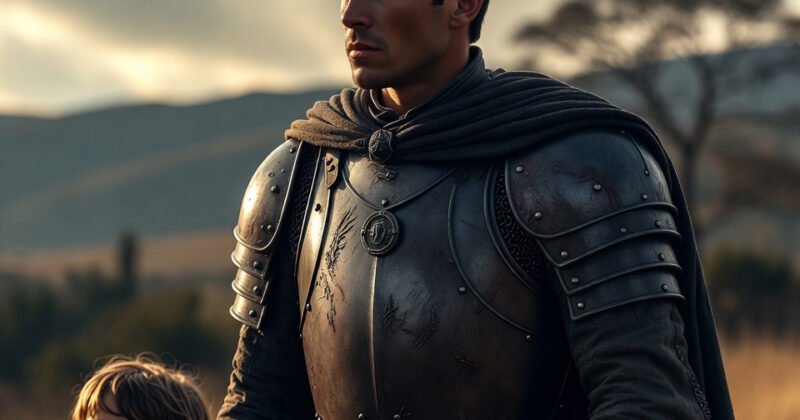
A Knight Of The Seven Kingdoms: The Revelation That Changes Everything About Dunk

The Knight Who Wasn’t: Dunk and the Truth Behind Westeros’ Most Beloved Hero
Few stories in the Game of Thrones universe have managed to charm audiences quite like A Knight Of The Seven Kingdoms. With its blend of adventure, humor, and the ever-pervasive darkness of Westerosi politics, the series offers viewers a refreshing, almost playful escape while still grounded in the complex morality George R. R. Martin’s world is known for.
Rewriting Chivalry: Dunk’s Secret Unveiled
Throughout the debut season, Ser Duncan ‘Dunk’ the Tall has stood out not for his noble lineage or sword mastery, but for his unwavering kindness, loyalty, and sense of justice—a rarity in the morally grey courts of Westeros. Audiences have accepted Dunk as a shining example of knighthood, inhabiting the title as fully as any lord or legend. Yet, with the arrival of episode 6, the spell is broken: a revelatory flashback shows Dunk asking the dying Arlan why he was never officially knighted. This confirms what fans of Martin’s source material long suspected—Dunk technically isn’t a knight. He’s been carrying the weight of an unintentional deception ever since Arlan’s passing.
The surprise doesn’t diminish his character; rather, it deepens it. Dunk’s anxieties about living up to the code of knighthood—despite formidable combat skills—now resonate with hidden guilt as he navigates the expectations of the title he never truly earned.
Arlan’s Motives: Loyalty, Survival, or Something More?
The show elegantly refuses to give a simple answer for Arlan’s decision. Was it practical, fearing loneliness on the road as he neared his end, reluctant to lose his squire? Or did Arlan sense that Dunk’s naivety and gentle heart needed more time to mature before taking the dangerous vow? The nuanced writing invites fans to debate Arlan’s motivations, reflecting the shades of grey that define all Game of Thrones narratives.
Dunk’s Secret and Its Ripple Effect
One of the season’s most significant moments—Dunk refusing to knight Raymun at the famous Trial of Seven—finally makes sense in this new light. Any knight can bestow the title, but Dunk’s hesitance becomes a poignant nod to his own concealed truth and the burden of his deception. It’s a testament to how secrets in Westeros, even well-intentioned ones, shape destinies and relationships in subtle, sometimes haunting ways.
Redefining Honor in Westeros
In a world where deeds often carry more weight than titles, Dunk proves that true knighthood transcends ceremony. His actions during the Ashford tourney, his bond with Egg, and his fearless stand for the defenseless end up embodying the ideal more than any who possess it by right. The show leverages this twist not just as character drama, but as a meditation on what honor means in a land riven by betrayal and ambition.
As A Knight Of The Seven Kingdoms carves its own path apart from the legacy of its forebears, it continues to push the boundaries of what audiences can expect from storytelling in the Seven Kingdoms. Dunk’s journey hints at a future not only for the franchise, but for the very idea of heroism on TV—showing us that sometimes, the truest knights are the ones who have the most to prove.