Why ‘A Knight of the Seven Kingdoms’ Series Changes the Book: Inside the Showrunner’s Bold Adaptation

Exploring the Changes: ‘A Knight of the Seven Kingdoms’ Finale vs. George R. R. Martin’s Novella
The highly anticipated series ‘A Knight of the Seven Kingdoms’, part of the ever-expanding Game of Thrones universe, concluded its first season with a finale that left fans of both the show and the original novellas buzzing about one particular deviation. While the adaptation remains largely faithful, showrunner Ira Parker and his creative team made a distinct narrative decision in the closing moments — one that deliberately plays with the ambiguity crafted by George R. R. Martin.
The Subtle Power of Ambiguity: Egg’s Permission, or Lack Thereof
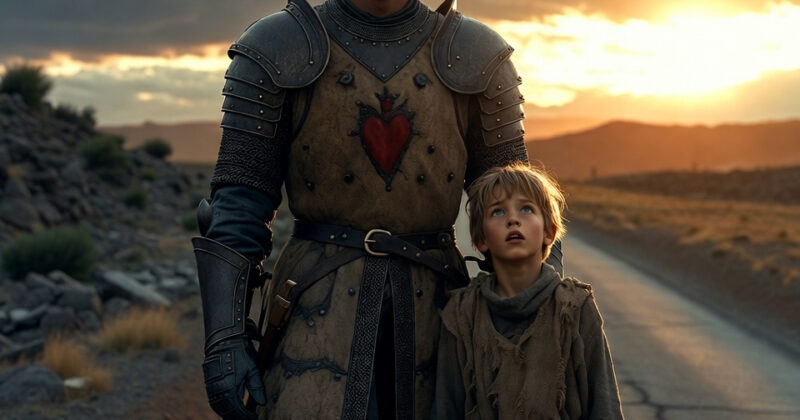
As the final episode unfolds, Ser Duncan ‘Dunk’ the Tall, played by Peter Claffey, reels from the death of Baelor Targaryen in the spectacular Trial of Seven. The pivotal turn, however, is the explicit revelation in a brief epilogue: Egg (Dexter Sol Ansell) never had his father Maekar’s blessing to stay on as Dunk’s squire. This marks a bold departure from the novella, where Martin leaves the conversation between Maekar and his son shrouded in uncertainty. Did Egg truly receive royal approval, or did he simply sneak away?
Showrunner Ira Parker described the writers’ approach in an interview with Collider, admitting that the moment was initially intended as a playful nod, with the Targaryens once again misplacing their precocious scion. Yet, the creative team quickly realized the broader implications — «People started telling me afterwards that, ‘No, it’s a huge cliffhanger, man.'» Still, Parker remains committed to ensuring that this twist doesn’t override the primary emotional and character arcs the series is set to explore in its upcoming second season.
Respecting the Source While Carving a New Path
Parker’s decision is rooted in a keen respect for the original material’s deliberate gaps. In the books, Maekar’s approval is never outright given. Dunk makes his case for Egg’s wandering education, Maekar storms off, and Egg reappears, assertively claiming his right to follow Dunk. Parker notes this «created a little gap there. It was ambiguous enough that we didn’t feel like we were contradicting anything.» The show, then, simply surfaces that uncertainty — not as a betrayal of canon, but as a natural extension for television drama.
What does this mean for the characters and story moving forward? The adaptation underscores the clashing values between Dunk and Maekar: Dunk, a commoner at heart elevated to knighthood, believes that a prince raised far from the corrupting halls of royal privilege might grow into a truly just leader. Maekar, meanwhile, is haunted by the failings of his elder sons—Aerion’s violence and Daeron’s apathy—and desperately clings to the hope that keeping Egg close might avoid repetition of such fates.
Consequences and Continuity in Season 2
Fans speculating about dire consequences or alternate timelines for Dunk and Egg can largely set those fears aside. Parker makes it clear the show will not invent divergent storylines just for shock value. Instead, the aftermath of Egg’s deception will remain a background thread, allowing future episodes to stay anchored in the tone and trajectory of Martin’s stories. The showrunner teases that Maekar may eventually see wisdom in Dunk’s perspective, reaffirming both his paternal conflict and the coming-of-age journey at the heart of the saga.
This faithfulness is bolstered by HBO’s ambitious commitment to a 12- to 15-season roadmap chronicling the complete adventures of Dunk and Egg. With critical and audience acclaim fueling anticipation for new episodes, the series is poised to become a cornerstone of fantasy TV, marrying deep character work with the sprawling narrative ambition that defined Game of Thrones.
A Cinematic Experience for Fantasy Fans
Every episode of ‘A Knight of the Seven Kingdoms’ is now available for streaming on HBO Max, inviting both newcomers and longtime readers to experience the rich political intrigue, nuanced character arcs, and subtleties of adaptation in a way only premium television can deliver.
With the show’s bold adaptation choices now firmly in the spotlight, audiences can debate, theorize, and revel in the storytelling alchemy that continues to reshape the future of television fantasy.