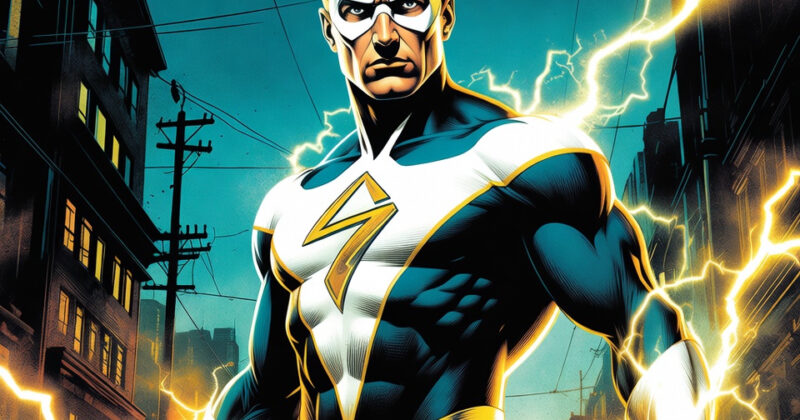
Static Shock’s Disappearance in DC Comics: The Secret Political Move That Changed Everything

The Legacy of Static Shock: Rise, Vanishing, and Rebirth Within DC
Among DC’s roster of unforgettable heroes, Static Shock has always stood out as a cultural touchstone. For fans raised on the kinetic panels of Milestone Comics or the trailblazing animated series, Virgil Hawkins wasn’t just another vigilante—he represented an entire generation’s hopes for fresh, diverse heroism. Yet, despite the character’s ascent to icon status in the early 2000s, Static and other Milestone heroes seemed to disappear from the DC continuum, a move that puzzled comic enthusiasts and led to years of speculation about reboots and creative shakeups.
The Truth Behind the Vanishing: Political Machinations in DC’s Worldbuilding
The answer, revealed in New History of the DC Universe: The Dakota Incident, is both profound and unsettling. The story arc paints a dramatically different picture of why these heroes fell from the spotlight. Rather than declining popularity or narrative fatigue, it was a masterstroke of political manipulation during Lex Luthor’s presidency that shifted the DC universe’s landscape. With public outrage swirling after a national controversy, Luthor’s administration strategically redirected blame toward the super-powered protectors of Dakota, transforming them into convenient scapegoats to deflect attention from governmental misconduct.
Lex Luthor’s Power Play: Turning Heroes into Pariahs
By weaponizing public opinion, Luthor’s team launched an all-out narrative offensive against Static and the Milestone crew. Federal investigations loomed, reputations were systematically eroded, and Dakota’s streets—once beacons of hope—became battlegrounds for propaganda. In this calculated move, DC blurs the lines between comic book villainy and all-too-familiar real-world tactics: using media and policy to control the fate of public figures.
The Agreement That Changed the Game: Sacrifice Over Spectacle
Faced with relentless political pressure and recognizing the risk to their city, Dakota’s heroes negotiated a compromise with federal authorities. The deal was stark—step back from public heroism and, in return, shield the city from further federal scrutiny. It wasn’t a retreat born out of defeat, but an act of calculated self-erasure for the greater good. Static, Hardware, and their allies laid down their capes, trading the high-voltage drama of villain showdowns for the quieter resistance of mentorship programs and community outreach. In these stories, heroism took new form: rebuilding infrastructure, nurturing the next generation, and fighting injustice without a mask.
Rewriting a Legacy: Static Shock’s Impact Endures
This narrative evolution injects a powerful dose of maturity and political nuance into the Static Shock mythos. His absence was not an editorial oversight or a sign of irrelevance—it was a sacrifice against institutional corruption, making his legacy more resonant than ever. Through this lens, DC transforms a decade-long question into a commentary about power, propaganda, and the cost of heroism. It reframes Virgil Hawkins not as a forgotten figure, but a fighter who understood when to retreat—and when to innovate his battle for justice.
From Page to Screen: Static Shock’s Cultural Impact and Return
Static’s influence isn’t just limited to comics. His animated series became a touchstone for superhero animation, breaking ground for Black representation and inspiring new waves of fandom. The show’s resonance continues, with talks of a return to streaming platforms highlighting how his legacy endures in the evolving landscape of superhero media. For newcomers and lifelong fans alike, the latest DC storyline cements Static’s place as a symbol of principled resistance and creative reinvention—proof that even when heroism is forced out of the spotlight, it finds new ways to spark hope.