Invincible: The Show That Quietly Outshines Marvel and DC
Superhero media has become a cultural cornerstone, with universes sprawling across cinemas and streaming platforms. Yet, in a landscape crowded by the likes of Marvel and DC, Prime Video’s animated series Invincible has steadily proven itself as a masterclass in storytelling. Instead of leveraging massive marketing budgets or Hollywood stardom, Invincible capitalizes on razor-sharp writing, emotional honesty, and loyalty to its source material—drawing in viewers who may feel jaded by the typical cape-and-cowl formula.
Modernizing Heroes: Invincible’s Riveting Take on Classic Tropes
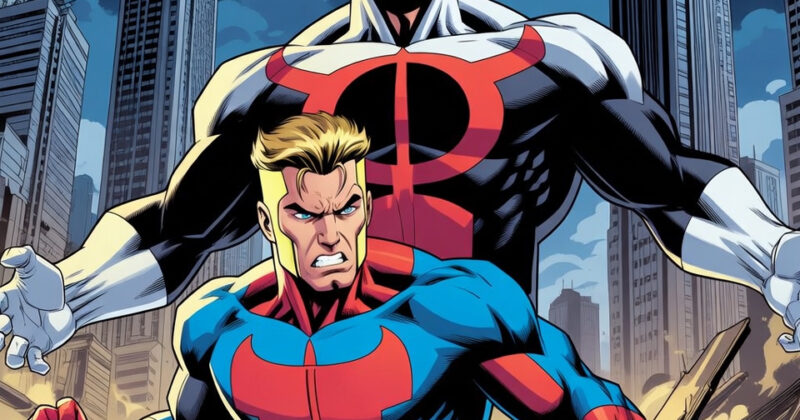
Based on Robert Kirkman’s acclaimed Image Comics series, Invincible follows Mark Grayson, a seemingly ordinary teenager whose father is the world’s most powerful superhero, Omni-Man. The animation immediately sets up familiar archetypes: the coming-of-age hero, the formidable world-protecting team, the alien outsider. But right from the astounding climax of the first episode, Invincible shatters expectations. Omni-Man’s true motives force audiences to grapple with the grim realities of unchecked power and legacy, turning standard comic book dynamics inside out without losing their dramatic appeal.
Mark’s journey is a raw descent into consequence. Every defeat lands hard—not just physically, but psychically. The show never pulls back from collateral damage or moral ambiguity. Characters are permitted to fail, learn, and change in lasting ways. Even the Guardians of the Globe evoke classic Justice League energy but are deployed with a narrative purpose that’s more commentary than parody, exploring the fragility and complexity of heroism itself.
No Parody—Just Serious, Uncompromising Superhero Drama
Many have mistaken Invincible’s sharp tone and graphic violence for parody, assuming it’s merely poking fun at superhero conventions. However, Robert Kirkman’s comic, and now the show, has always treated its world and characters with deadly seriousness. Image Comics has long prioritized creator-driven storytelling, and this ethos bleeds into every frame of Invincible. There are no easy resets or meta jokes to undercut stakes; when death or betrayal occurs, it rattles through the narrative for good.
Instead of undermining the genre, Invincible embraces the full spectrum of superhero drama—from the cosmic to the intimate. The show respects both legacy fans and newcomers, invoking the tropes of superhero storytelling only to deepen their emotional impact. Relationships mature, trauma lingers, and power corrupts in ways that invite real discussion about responsibility, identity, and consequence.
Why Invincible Is Setting New Standards for Comic Adaptations
Invincible’s greatest achievement may be its fidelity to the source material. While mainstream superhero movies often cherry-pick bits and pieces from comics—sometimes sacrificing narrative depth for mainstream appeal—Invincible adapts major story arcs with patience and respect. Character evolution isn’t artificially compressed; instead, episodes mirror the pacing of the original comics, giving room for stakes to escalate and emotions to breathe.
Anime fans will recognize the rhythm: long-term arcs, shifting tones, and a commitment to character complexity. The show’s decision to stay animated, rather than live-action, is a stroke of genius—allowing for jaw-dropping battles, cosmic vistas, and gruesome transformations that simply wouldn’t land the same within the constraints of a live-action budget.
This approach is resonating with a contemporary audience that’s used to the storytelling ambition found in anime or prestige TV, where continuity and consequence matter. Studios behind the MCU and DC movies should take note: Invincible proves that superhero adaptations flourish when they respect their roots, trust their viewers’ intelligence, and refuse to sand down their edges for broader consumption.
The Cast and Creative Vision Behind Invincible
Invincible features an all-star voice cast grounded by Steven Yeun (Mark Grayson), J.K. Simmons (Omni-Man), and Sandra Oh (Debbie Grayson), under the creative guidance of Robert Kirkman and Simon Racioppa. Their work delivers characters with real vulnerability and gravitas—qualities rare in a genre obsessed with invincibility.
With Prime Video nurturing the series, Invincible continues to set a high bar for animation, adaptation, and the superhero genre itself—showing that authentic storytelling, not spectacle alone, is what fans truly crave in the streaming age.