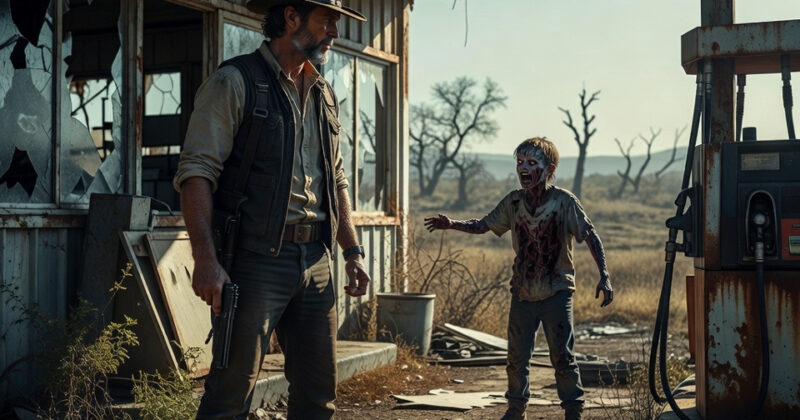
How The Walking Dead Redefined Post-Apocalyptic TV With Its Unforgettable Opening Scene

The Walking Dead: How One Scene Set the Standard for a Genre
The post-apocalyptic genre is packed with unforgettable series, each carving out a unique vision of civilization’s collapse. But within this crowded landscape—where HBO’s Station Eleven and the dark-soaked visuals of The Last of Us continue to excite fans—a single episode stands unmatched for its impact: the opening of The Walking Dead.
The Shock That Changed Everything
When AMC premiered The Walking Dead, few could predict the raw intensity director Frank Darabont would unleash. Audiences accustomed to slower burns or stylized violence were thrown directly into psychological chaos. The show begins not with a drawn-out explanation, but a moment steeped in dread and ambiguity: Rick Grimes, searching for supplies, encounters a small child in a pajama set, clutching a teddy bear, shuffling through the ruins of a gas station.
What could have played as a parent-child reunion instantly pivots. This child, unmistakably a zombie, forces Rick—and the viewer—to confront horrifying pragmatism. The decision Rick makes is as stunning today as when it first aired; by neutralizing the immediate threat in an act of mercy-tinged brutality, he dismantles any remaining illusions. This post-apocalyptic world, so grounded in Robert Kirkman’s comics, is governed not by sentiment but sheer survival.
The Risks: Storytelling with No Safety Nets
Few series have dared to open with such a powerful taboo. Harming a child—even one reanimated as the undead—was nearly unthinkable for network television. Yet this move didn’t alienate audiences; it drew them in, establishing Rick Grimes as both fiercely humane and utterly changed by his environment. This balance between empathy and necessity would define the show’s most gripping arcs.
Compared to films like 28 Days Later or remakes such as Dawn of the Dead, which could maintain relentless tones over compact runtimes, The Walking Dead had to make its world believable episode by episode. The unflinching introduction didn’t just shock for effect—it made a promise: actions here have consequences, attachments are dangerous, and survival demands impossible choices.
Genre Influence and Franchise Expansion
The reverberations of The Walking Dead’s debut reach beyond ratings. Its success inspired a sprawling web of spin-offs, each adopting the show’s philosophy of high-stakes realism and character-driven storytelling. This opening scene in particular has become a case study for writers and filmmakers seeking to quickly ground viewers in emotionally fraught, high-tension realities.
It is no coincidence that subsequent sci-fi dramas, from Travelers to The Leftovers, grapple with moral ambiguity in their own ways—a trend The Walking Dead helped accelerate by refusing early on to shield its hero from dark decisions.
Fading Edge and Lessons for Storytellers
As the series unfolded and the franchise ballooned, maintaining the sheer intensity of its beginning became its greatest challenge. The narrative focus, once razor-sharp on hard truths and shocking losses, inevitably softened as fan-favorite characters gained plot armor. Attempting to recapture early tension, later seasons sometimes veered into controversial territory, deploying high-profile character deaths as occasional stunts rather than pivotal story moments.
Yet, the legacy of that pilot persists. Viewers still debate the boundaries of heroism and humanity, concepts The Walking Dead tackled head-on in its very first minutes. For anyone passionate about the evolution of TV storytelling—whether devouring the latest HBO adaptation or returning to classic comic roots—the show’s initial shock remains essential viewing, a reminder that in the apocalypse, the only certainty is change.