Wanda Sykes Steps Into the Ring in Undercard
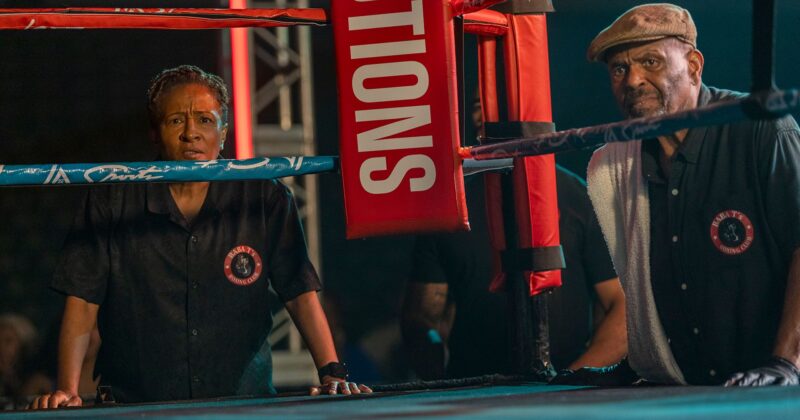
Wanda Sykes has always been a trailblazer, both in comedy and culture. Known for her razor-sharp wit and unmistakably distinct voice, Sykes brings her signature presence to the role of Cheryl ‘No Mercy’ Stewart in Undercard. The film sets her up as a former boxing champion, now grappling with sobriety, poverty, and fractured family ties, all while trying to reclaim her place within the chaotic, rough-edged world of boxing. Audiences familiar with Sykes’ comedic work will recognize plenty of her trademark energy, even as the script nudges her toward drama instead of punchlines.
A Performance That Transcends Material
Despite marketing Undercard as Sykes’ first foray into serious drama, her Cheryl Stewart is cut from the same cloth as her legendary stand-up persona—blunt, skeptical, and always on edge. Her dramatic abilities are on full display, yet she never fully disappears into the character. This is Wanda Sykes: sharp, relatable, and undeniably magnetic, even when submerged in the tropes of a genre weighed down by its past.
Classic Boxing Beats (With a Few Lost Rounds)
The film’s narrative leans heavily on familiar underdog boxing frameworks. Sykes coaches Kordell, a young, flashy boxer played by Xavier Mills, in a faded gym run by Baba T (William Stanford Davis). Meanwhile, her own family life is a powder keg: financial woes pile up despite steady work and four years of sobriety, jeopardizing her guardianship of her late sister’s daughter and making it nearly impossible to reconnect sincerely with her estranged son, Keith (portrayed by Bentley Green). These tropes echo the emotional punches of classics like Creed, Rocky, and Million Dollar Baby, yet the screenplay struggles to provide genuine character depth beyond what these pillars already established.
Flaws in the Script and Direction
While Sykes’ charisma keeps viewers invested, much of the script’s plotting feels forced. Miller’s screenplay routinely swings for the fences with melodrama—from custody battles to sudden financial crises—but rarely settles into a natural rhythm. Emotional pivots occur abruptly; for example, the custody struggle for Meeka fades into the background until the plot requires it, only to resurface at the least convincing moment. Dramatic turns are guided more by convenience than logic, undermining the impact of key scenes and relationships.
Boxing Sequences That Show the Strain
The low budget becomes glaringly evident during the film’s fight sequences. Boxing matches that should feel grand and electrifying are staged in front of tiny crowds, robbing pivotal moments of the scale seen in genre standouts. The critical rivalry between Keith and Kordell evolves in confusing ways—at times they are equals, then suddenly, Kordell emerges as a near-unbeatable antagonist. This shifting dynamic makes it hard for audiences to emotionally anchor themselves to the climactic match or understand who stands as the true underdog in the ring.
The Heart Behind the Punches
Despite the muddied script structure, Wanda Sykes invests each line and glare with an authenticity that elevates otherwise generic material. She brings real muscle to Cheryl Stewart—balancing vulnerability, anger, and a glimmer of hope—making the character’s struggles and triumphs resonate even when the screenplay falters. Her chemistry with co-stars—particularly with Mills’ Kordell and Green’s Keith—sparks genuine moments amidst the formulaic beats, offering glimpses of the raw emotion that great sports dramas strive for.
An Underdog Story Still in the Shadow
Undercard takes its name from the lesser boxing matches that open for main events, a metaphor the film tries to use for its characters’ uphill climbs. Ironically, the film itself struggles to step out of the shadows of its genre predecessors. Still, fans of Wanda Sykes will find a captivating, multi-layered performance worth watching, even if the texture of the film surrounding her can’t quite live up to her talent. For viewers seeking a fresh take on the boxing drama formula—or those hungry for memorable performances—Undercard stands as a testament to what great acting can achieve, even when the odds are stacked against it.