Daredevil: Born Again – Season 2 Unleashes a Transformed Hell’s Kitchen Under Kingpin’s Rule

Daredevil: Born Again Returns to a Darker, Transformed New York
The highly anticipated second season of Daredevil: Born Again is set to radically shift the landscape of Hell’s Kitchen. Season one left viewers on a cliffhanger as Wilson Fisk, brilliantly embodied by Vincent D’Onofrio, secured his grip over New York City by declaring martial law and establishing himself as a forceful, authoritarian mayor. The consequences of that moment aren’t explored immediately—showrunner Dario Scardapane confirms a bold creative choice: the new season opens six months after Fisk’s power play, immersing viewers into a city fundamentally changed by his regime.
Six Months Later: Life Under The Kingpin’s Iron Fist
In this altered New York, Fisk isn’t clawing his way to the top—he’s already there. Public institutions, law enforcement, and even the city’s spirit are suffocating under his «boot,» with everyday life shaped by his iron-fisted authority. The show resists the predictable storyline of immediate rebellion after the chaos; instead, it explores the slow, insidious transformation of the city and its people. This time jump smartly allows both characters and narrative to breathe—alliances shift, wounds fester, and the opposition seeks new ways to survive and resist from the shadows.
The Underground Awakens: Vigilantes Versus an Empowered Regime
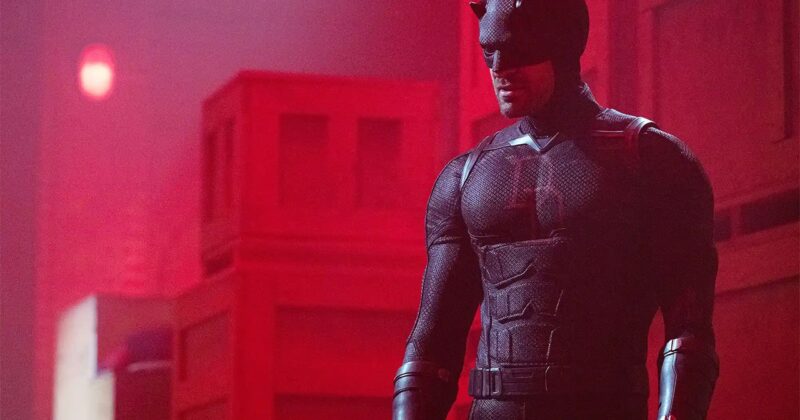
Daredevil, as embodied by Charlie Cox, is at the center of this new reality. His battle with Fisk has evolved; it’s not about stopping a rise to power, but about confronting a system where justice is driven underground. The symbolism is potent—Matt Murdock isn’t just donning the suit to fight crime, he’s a living challenge to autocracy in a city where old rules no longer apply.
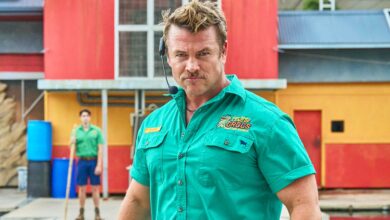
Longtime fans will be thrilled to see Deborah Ann Woll return as Karen Page, alongside Elden Henson’s Foggy Nelson, Michael Gandolfini as Daniel Blake, and the electric Wilson Bethel as Bullseye. Krysten Ritter’s Jessica Jones joins the struggle, adding an edge honed in her own hard-hitting narrative. New faces, like Matthew Lillard, promise to keep both returning viewers and newcomers on edge. Notably, Jon Bernthal will not reprise his role as Frank Castle for this chapter.
Political Tension and Moral Dilemmas in the Marvel Universe
With Daredevil: Born Again now fully part of Marvel Studios’ street-level canon, the second season isn’t just a continuation—it’s a reboot that dares to examine power, morality, and resistance through a more mature, political lens. The six-month time skip opens up complex psychological and social dimensions. Fisk’s regime is not just a backdrop for superhero antics; it’s a living environment that shapes every character’s choices and relationships. The stress fractures in Hell’s Kitchen are deeper, and the sense of paranoia and control is more palpable than ever.
This approach signals confidence from Marvel Studios in the longevity and depth of Daredevil’s story within the MCU. By having major changes occur off-screen, the show can focus on the human cost of totalitarian control—forcing viewers to piece together how old heroes find new strength and how new threats rise in the darkness.
What’s Next for Daredevil and Hell’s Kitchen?
The tension is palpable as the city’s resistance to Fisk’s rule simmers just below the surface. Expect underground alliances, polarized loyalties, and power plays with complex stakes. The dynamic between Matt Murdock and Fisk is no longer a chess match but a brutal, ongoing war of ideologies and survival.
Daredevil: Born Again returns exclusively on Disney+ with a fresh batch of episodes that refuse to pull punches—delivering a version of New York City that feels both shockingly new and achingly familiar to fans of noir, political drama, and superhero grit.