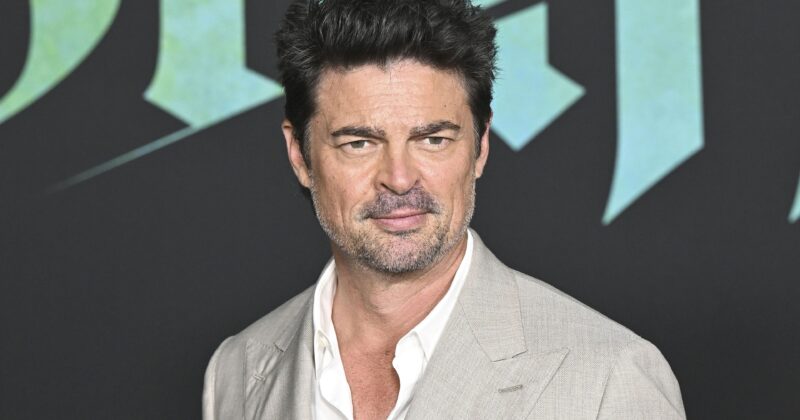
Karl Urban Reveals How Lucy Lawless Shaped His Leadership on The Boys

Karl Urban’s Journey: From New Zealand Fantasy to Global TV Stardom
Karl Urban is no stranger to high-stakes, fan-favorite productions. Yet, when discussing the art of leadership on set, he consistently cites the towering influence of Lucy Lawless, star of Xena: Warrior Princess. Urban’s reflections offer a rare, behind-the-scenes look at how his early work in fantasy television set the foundation for his role as Billy Butcher in The Boys, one of the most celebrated entries in the new wave of mature superhero series on Prime Video.
Xena: Warrior Princess – Lessons in Decorum and Professionalism
The world of TV fantasy was forever changed when Xena: Warrior Princess, a spin-off from Hercules: The Legendary Journeys, debuted under the guidance of Sam Raimi and R.J. Stewart. The show ran for six seasons, leaving a permanent mark on pop culture thanks in large part to Lucy Lawless’ dynamic portrayal of Xena.
Karl Urban, who appeared in multiple roles across both fantasy series, entered the Xena universe playing Mael, later embodying memorable characters like Cupid and Julius Caesar. Yet, it’s not just the outlandish costumes or innovative storytelling that stayed with Urban—it’s the example Lawless set during production.
Describing Lawless as ‘such an inspiration,’ Urban recalls how her style as the ‘captain of [the Xena] ship’ helped him model his own sense of professionalism and responsibility on the set of The Boys. This approach, focused on keeping the ‘machine going forward with positivity and decorum,’ proved essential in steering one of TV’s largest ensemble casts.
From Cult Classic to Modern Hit: Urban’s Reflective Approach to Acting
While Lawless led Xena with unwavering commitment, Urban continued his rise—first through recurring roles in New Zealand projects like Shortland Street, then moving into international territory with The Lord of the Rings trilogy, the Riddick franchise, J.J. Abrams’ Star Trek films, and the cult favorite Dredd adaptation.
His journey is more than a series of genre leaps; it’s a progression built on observing and emulating strong leadership. Urban openly admits that he often thinks of Lawless’s approach, especially when managing the pressures that come with fronting a globally watched series like The Boys. Sharing that weight with co-star Antony Starr, Urban acknowledges the need for steady guidance off-screen just as much as powerhouse performances in front of the camera.
Xena’s Legacy and Modern Television
Lucy Lawless has often spoken about the demanding production behind Xena, her enduring admiration for the show’s impact—especially regarding LGBTQ+ representation through the nuanced relationship between Xena and Gabrielle—and her openness to a reboot, even if it means passing the torch. These values of embracing legacy and fostering inclusivity are crucial in today’s entertainment landscape, where long-standing fan communities often drive renewal projects and spinoffs.
With active discussions about a Xena: Warrior Princess reboot still underway, both Lawless and Urban remain tied to the property’s mythos. Thanks to his multifaceted involvement as everything from a Greek god to a Roman conqueror, Urban is uniquely positioned to return in fresh, unexpected roles, should such a revival come to fruition.
Impact on New Generations of Series and Viewers
The Boys carries a different kind of cultural impact than Xena, but the DNA of respectful, purposeful leadership connects both sets. Urban’s willingness to credit past mentors—Lawless foremost—highlights the importance of continuity and growth within the industry. As ensemble productions grow increasingly ambitious, the lessons of genre-defining series like Xena will continue shaping the ethos of modern genre TV.