The Tangled Web: Sony’s Spider-Man Universe and Its Essential Dilemma
For years, the cinematic world has watched Sony’s Spider-Man Universe (SSU) evolve in unexpected directions. The film rights surrounding Marvel’s iconic wall-crawler are well-documented drama—Sony stewarded two generations of Peter Parker in live-action before integrating Tom Holland’s take into the Marvel Cinematic Universe (MCU) through a high-stakes collaboration with Marvel Studios. This has resulted in Holland’s Spider-Man swinging seamlessly between Sony-produced standalone films and appearances in grand MCU story arcs.
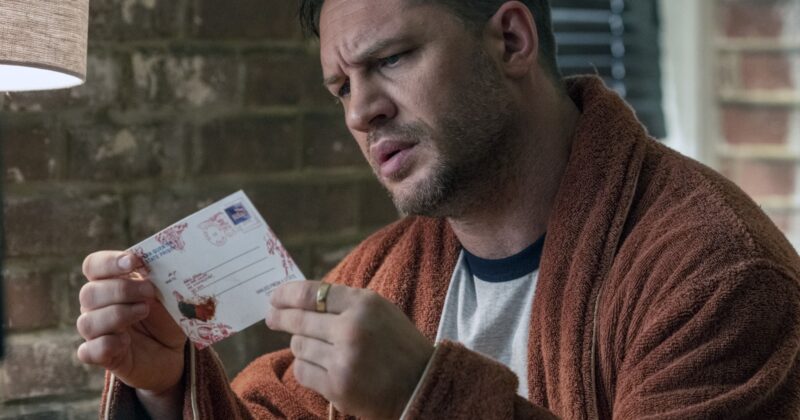
But there’s been another parallel path—Sony has pushed to establish a broader universe based on Spider-Man’s extensive catalog of supporting characters and villains. This experimental web spun out with Tom Hardy’s Venom, which managed both surprising success and a fervent fanbase. Yet, subsequent entries like Morbius, Madame Web, and Kraven the Hunter have struggled to capture either critical favor or audience excitement, often becoming the subject of pop-culture memes and industry lessons on what not to do.
Venom and the Absence of Spider-Man
Here’s the critical issue: None of these SSU movies placed Spider-Man himself at the center of the action. Venom, an anti-hero whose entire mythology is interwoven with Peter Parker, never crossed paths with the character in a meaningful way on screen. Instead, fans were offered near-misses—teases and post-credits winks, but no payoff. Morbius and Madame Web similarly operate in a Spider-Verse vacuum, referencing Spidey but never letting him step into the frame.
This creative choice left a distinct void. For audiences, Spider-Man isn’t just the gravitational center of his universe; he’s the reason characters like Eddie Brock, Cletus Kasady, or Michael Morbius are compelling on film in the first place. The mounting sentiment among fans and analysts alike is unanimous: future SSU projects must restore Spider-Man to a starring role if the universe wants to flourish and capture the imagination of a rapidly-savvy superhero audience.
The Multiverse: A Gateway, Not a Barrier
In the wake of recent multiverse storytelling, audiences are more open than ever to multiple versions of Spider-Men coexisting across different continuities. The animated Spider-Verse movies achieved electrifying success, proving not only the viability of Miles Morales, Spider-Gwen, and other alternate web-slingers, but also showing that the more Spider-People, the greater the narrative possibilities—and box office returns.
This opens up a spectrum of creative options. Sony could tap Andrew Garfield to reprise a beloved but unresolved take on Peter Parker. Alternatively, they could introduce a completely new actor as the mainline Spider-Man or even launch fan-demanded live-action debuts for characters like Spider-Gwen or Miles Morales. What matters is that the universe feels unified by its central promise: Spider-Man, in all his versions, is present and propelling the story forward.
Upcoming Projects and Strategic Considerations
Looking ahead, Sony’s slate includes Venom: The Last Dance, Kraven the Hunter, and the much-talked-about Sinister Six—all connected through the web of Spidey’s rogues. On the TV front, series like Spider-Noir and Silk: Spider Society promise to expand mythologies previously confined to comics. But the lesson is clear: none of these spin-offs can afford to treat Spider-Man as an off-screen legend. Bringing him back—front and center—transforms the universe from a collection of loosely connected side stories into a cohesive, resonant cinematic experience.
This next phase for Sony isn’t just another reboot; it’s a rare chance to lean into the character’s enduring appeal and the comic book roots that have kept fans loyal for decades. As the superhero genre redefines itself, Spider-Man’s presence is not just a nostalgic anchor—it’s an absolute necessity for narrative coherence and lasting success.