Why Pretty in Pink Remains the Boldest, Most Controversial Teen Romance of Its Time

Pretty in Pink: The High School Love Story That Breaks the Mold
Few films have captured the turbulence, longing, and identity-struggles of adolescence quite like Pretty in Pink. Crafted by John Hughes and directed by Howard Deutch, this film takes a timeworn romantic formula — love divided by class — and injects it with the electric pulse of the 80s. The soundtrack, featuring Otis Redding’s Try a Little Tenderness, and a parade of thrift-store chic fashion make it a time capsule for new generations, including even those Gen Z viewers who might be skeptical of 80s nostalgia.
The Classic Love Triangle, Recharged for a New Era
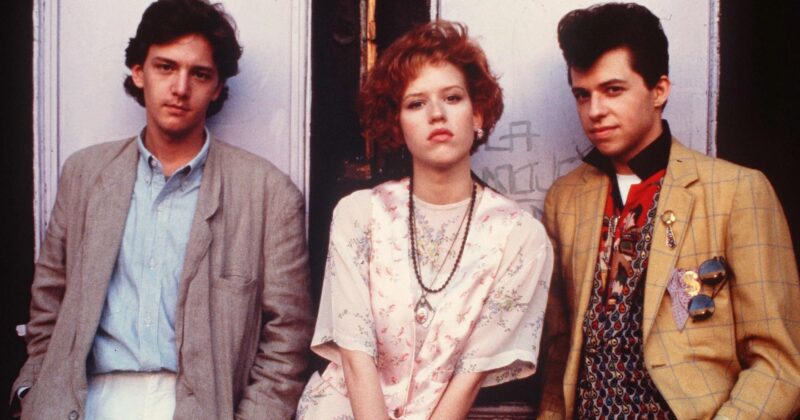
At its core, Pretty in Pink is a drama of forbidden connection — a tale as old as teenage heartbreak itself. The central triangle sees Andie Walsh (Molly Ringwald), a fiercely independent high schooler with a knack for DIY fashion, caught between two worlds. On one side is Blane McDonough (Andrew McCarthy), the soft-spoken, hesitant rich kid; on the other, her loyal friend Duckie (Jon Cryer), whose offbeat energy and dry wit steal scene after scene but can’t seem to win her heart.
Hughes doesn’t just settle for surface-level teen angst. He explores the real costs of class struggle, as Andie braves a school awash in privilege and social pressure, while Duckie lingers on the margins, fighting for attention against the polish of wealth. The result? A nuanced look at how pride, peer dynamics, and insecurity often dictate the choices that define our youth.
The Psychology of Denial in 80s Teen Cinema
It’s not just romance at stake here — it’s the ongoing conversation about identity, belonging, and what happens when dreams crash into reality. Andie’s home life, with a single father (Harry Dean Stanton) unable to move on from the past, is a mirror for her own hesitations about love and class. Their interactions cut deeper than the average parent-teen exchange, subtly revealing the generational weight of disappointment and hope.
Even Duckie, often comic relief, reflects the painful truth that sometimes, no amount of charm can rewrite the social pecking order. The bittersweet wisdom of Pretty in Pink is found in the way its characters slowly accept that the walls between them — economic, emotional, or otherwise — are real, and not always easily toppled.
John Hughes and the Films That Defined a Generation
The name John Hughes is synonymous with 80s youth culture, shaping everything from the lingo to the archetypes that still echo in coming-of-age films today. Pretty in Pink stands out from iconic predecessors like Sixteen Candles and The Breakfast Club because it doesn’t just nod to adolescent melodrama — it outright wrestles with social class and the invisible lines drawn in every American high school.
It’s impossible to talk about Pretty in Pink without referencing its infamous alternate ending. The original script leaned harder into love-triangle conventions, but the version that hit theaters subverts expectations, serving not just a resolution to the central romance, but a pointed commentary on the era’s class anxieties. That creative risk is part of why the film has endured even as debates about privilege, friendship, and individuality remain at the forefront of pop culture.
Cast Highlights and 80s Legacy
Molly Ringwald captures the spirit of her generation: bold, vulnerable, and endlessly resourceful. Andrew McCarthy’s Blane achieves a rare mix of hesitance and sincerity, while Jon Cryer turns Duckie into one of the most memorable third wheels in movie history. James Spader, as Blane’s callous friend Steff, offers a portrait of entitlement that feels as relevant in 2026 as it did at the film’s debut.
If you’re revisiting Pretty in Pink or watching for the first time, look for more than just retro style and mixtape classics. The film’s heart is its willingness to be messy, open, and unafraid of disappointment — a quality that ensures its place in the upper echelon of teen romance cinema.