The Next Evolution of the Blade Runner Legacy
There are few film franchises that have defined the cyberpunk genre as thoroughly as Blade Runner. The original film shaped generations of pop culture and aesthetic, influencing everything from anime to modern AAA video games. With its vision of a rain-soaked, neon-lit future and profound meditations on what it means to be human, the franchise has built a near-mythic status within science fiction. Now, Amazon’s Prime Video is ready to take the next bold step with Blade Runner 2099, a new live-action miniseries poised to elevate the legacy while introducing fresh perspectives and talent to one of sci-fi’s most revered worlds.
An Ambitious Production Backed By Hollywood Powerhouses
Blade Runner 2099 stands out straight away due to its ambitious production values and high-profile creative team. The show has secured acclaimed actress Michelle Yeoh and rising star Hunter Schafer as its co-leads. Yeoh, whose renaissance in Hollywood after her acclaimed performances in recent years has captured widespread attention, is an inspired choice for a world as complex as Blade Runner’s. Schafer brings a unique presence shaped by her work in projects like Euphoria, injecting the series with generational relevance.
One of the most reassuring aspects for longtime fans is the involvement of Ridley Scott as executive producer, with his production company Scott Free Productions overseeing the project. Scott’s influence can be expected to maintain the franchise’s original DNA while giving the series room to evolve. The creative control exhibited by showrunner Silka Luisa and director Jonathan van Tulleken further raises expectations, ensuring that the series will be helmed by individuals deeply invested in telling a compelling, worthwhile story.
Blade Runner 2099: Designed as a Miniseries, Not Just Franchise Fodder
In an age dominated by sprawling franchises and endless sequels, the choice to frame Blade Runner 2099 as a miniseries is significant. Studios often chase multi-season arcs for high-profile IP, but this approach signals that the creators have a specific narrative to tell. For Blade Runner—a universe built on atmospheric worldbuilding and philosophical intrigue—this format allows for the focused storytelling needed to make a real impact.
Rather than stretching the story thin, viewers can anticipate a tightly woven narrative that delves deeper into the iconic themes of humanity, technology, and social inequality, all played out against the hauntingly beautiful backdrops that fans have come to expect. The franchise has not suffered from overexposure; with just two films, an animated series, and select comic books, each new addition carries a weight of expectation—and creative freedom.
The Visual and Narrative Challenges Ahead
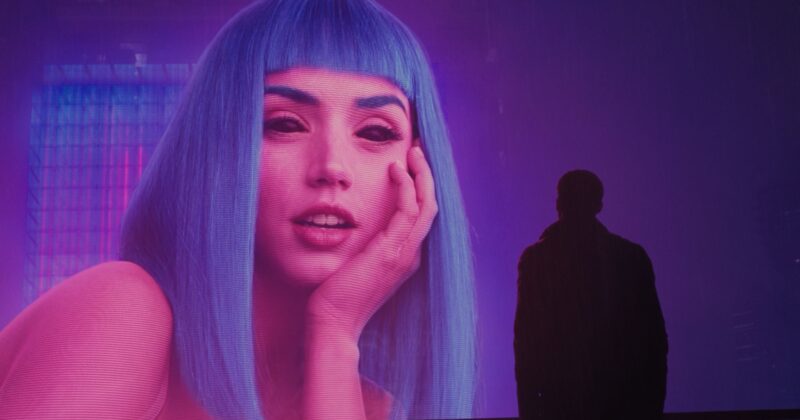
Any new Blade Runner entry must inevitably reckon with the towering legacy of its predecessors. The original film and its sequel set remarkably high standards in terms of visual identity and thematic depth. Fans will scrutinize whether the miniseries can establish a visual style that feels both authentic and innovatively distinct. Attempting to compromise between Scott and Villeneuve’s aesthetics could risk alienating the devoted audience, so bold creative choices are almost mandatory here—either a clean narrative break or an unapologetic embrace of a single established style.
Blade Runner’s world is not just about the dystopian cityscape or the flying vehicles; it’s about translating existentialist philosophy and questions of identity into a compelling visual language. The series must deliver awe-inspiring effects while never losing sight of the human drama at its core—a balancing act at which both previous films excelled.
High Stakes for Prime Video and Science Fiction Fans
Turning Blade Runner into a TV franchise isn’t just a creative endeavor—it’s a calculated gamble. Expanding beloved, relatively untouched franchises comes with the risk of diluting their unique place in film history. But with a measured approach and respect for the source material, Blade Runner 2099 could become a benchmark for smart, sophisticated science fiction on television.
The lineup—headlined by Michelle Yeoh and Hunter Schafer, and supported by a team intent on delivering a meaningful, self-contained story—reflects the streaming giant’s serious commitment to quality. With the assurance of top-tier production and the guiding hand of Ridley Scott, sci-fi enthusiasts should mark this miniseries as one of the most anticipated releases on Prime Video this year.
Everything suggests that Blade Runner 2099 isn’t just another entry meant to cash in on nostalgia. Instead, it aims to deliver a meticulously crafted story steeped in the philosophical and visual traditions that have made the franchise so deeply influential in the worlds of film, television, and pop culture at large.